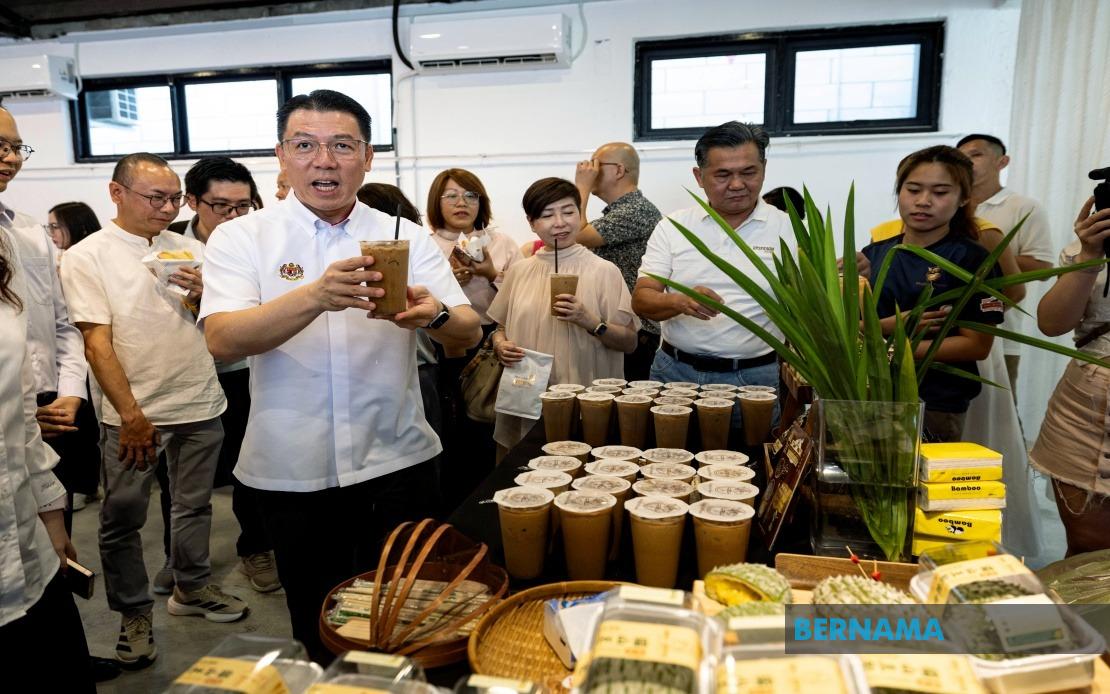
Ipoh will host a major culinary celebration later this month designed to underscore the role of food in binding together Malaysia's multiethnic society. The Jom Makan Ipoh 2026 Expo, launching from August 28 to 30, reflects a deliberate policy pivot toward leveraging gastronomic diversity as both a cultural asset and economic driver during Merdeka Month, according to Housing and Local Government Minister Nga Kor Ming.
Nga, who represents the Kepayang constituency, articulated the festival's broader significance beyond mere tourism promotion. Speaking after the expo's pre-launch ceremony in Ipoh this week, he framed food not simply as a commercial product but as a potent instrument for social cohesion in a nation comprising multiple ethnic and religious communities. This positioning aligns with Malaysia's international branding slogan "Truly Asia," which emphasises the country's multicultural character as a competitive advantage in regional tourism markets. By designating food culture as a vehicle for unity, the ministry seeks to demonstrate how everyday culinary practices embody shared Malaysian identity even amidst considerable diversity.
The three-day programme, running daily from 5 pm to 11 pm at Palo 101 venue, will feature over 50 food and agricultural product stalls concentrated on Ipoh's distinctive culinary heritage. Organisers have curated twelve signature specialties representing the city's gastronomic identity, alongside contemporary street food offerings and selected agricultural products. This blend of traditional and modern cuisine reflects contemporary festival design trends across Southeast Asia, where organisers increasingly juxtapose heritage preservation with contemporary consumption patterns to appeal to both domestic and international visitors.
Among the highlighted dishes are classics such as Laksa Buyong, nasi ayam taugeh, and puding taufu, alongside Ipoh's celebrated White Coffee—a product that has achieved significant commercial success and international recognition. These selections carry historical weight in Ipoh's development narrative. The city's culinary traditions bear imprints of its tin mining past and the migration patterns that shaped its demographic composition, with food serving as a tangible archive of these historical processes. By elevating such dishes within an official government-backed festival, policymakers signal that local food cultures merit preservation and celebration rather than relegation to informal markets.
Recognising that food history constitutes valuable cultural knowledge, the festival will establish six dedicated Ipoh Food Culture Galleries examining thematic elements of the city's culinary evolution. These galleries will explore White Coffee production, tin mining-era foodways, kacang putih heritage, sambal and ulam traditions, and other culinary practices that have become synonymous with Ipoh identity. This educational component distinguishes the expo from purely commercial food festivals, positioning it instead as a venue for intergenerational knowledge transfer about regional food systems and their social contexts. Such galleries typically attract media attention and lend credibility to the event within cultural and academic circles.
The programming extends beyond food consumption into broader cultural expression. Organisers have scheduled multiple stage performances showcasing musical and dance traditions from different ethnic communities, demonstrating how food festivals can function as platforms for wider cultural exchange. Additionally, dedicated "Food Talks Ipoh" sessions will enable dialogue between vendors, chefs, historians, and visitors about food's role in community formation. The launch of an Ipoh QR Digital Food Map represents technological integration into heritage tourism, allowing visitors to access curated information about vendors and dishes via smartphone—a feature increasingly expected at contemporary festivals targeting younger, digitally-native audiences.
Projections indicate that over 20,000 visitors may attend across the three-day period, a figure suggesting substantial local and regional interest in destination culinary tourism. For Ipoh, such attendance would generate meaningful economic activity not only through direct food sales but through ancillary spending on accommodation, transport, and retail. The visitor projection also implies that organisers anticipate drawing audiences beyond Ipoh's immediate vicinity, potentially including day-trippers from Kuala Lumpur and other Klang Valley locations situated roughly two hours' drive distant.
The festival's framing as a Merdeka Month initiative carries deliberate symbolic weight. By aligning food heritage celebration with Malaysia's national independence commemoration, the ministry positions culinary diversity as intrinsic to the nation's founding principles and contemporary identity. This rhetorical move responds to periodic social tensions around religious and cultural sensitivities by offering food as common ground transcending such divides. While such positioning involves some idealisation—food consumption involves its own sensitivities and exclusions—it reflects a genuine effort to construct narratives of shared belonging in a complex plural society.
For Malaysian regional policymakers, the Ipoh expo model offers a replicable template for cultural and economic development. Similar festivals in cities like George Town, Melaka, and Penang have demonstrated how heritage food tourism can sustain small vendors while attracting visitors, generating revenue, and projecting positive international images. By institutionalising such events through government partnership and formal recognition, authorities signal investment in cultural industries as legitimate development strategies. This represents a subtle shift from historical patterns where food vendors occupied informal market spaces, toward present arrangements where government actively curates and promotes such activities.
The expo also reflects broader Southeast Asian trends in culinary nationalism, where nations compete for recognition of distinctive food traditions as cultural properties worthy of protection and investment. Thailand's systematic promotion of Thai cuisine globally, Vietnam's positioning of pho and street food culture, and Singapore's emphasis on multicultural hawker traditions all demonstrate how countries leverage food as soft power and identity markers. Malaysia's participation in this regional dynamic through festivals like Jom Makan signals awareness that gastronomic distinctiveness constitutes valuable cultural and economic capital in contemporary tourism markets.
From a practical tourism perspective, the initiative addresses a key challenge for Ipoh as a destination: maintaining visitor interest and extending length of stay beyond major attractions like Kellie's Castle and the Perak Tong temple. By developing food-centric experiences and festivals, the city can differentiate itself within regional tourism hierarchies increasingly crowded with heritage and cultural offerings. The festival's emphasis on heritage galleries and educational components positions it as more than entertainment, appealing to the growing segment of visitors seeking authentic cultural engagement rather than generic consumption.
The successful execution of Jom Makan Ipoh 2026 could establish precedent for annual or biennial repetition, potentially becoming a calendar fixture for both domestic and international visitors. Sustainability of such festivals depends on maintaining vendor participation, managing logistics across multiple stakeholders, and adjusting programming based on visitor feedback. The government's involvement through the Kepayang constituency service centre and Nga's ministerial portfolio provides administrative infrastructure and political backing that smaller, purely private initiatives might lack, though it also introduces considerations around fiscal sustainability and political priorities across electoral cycles.

