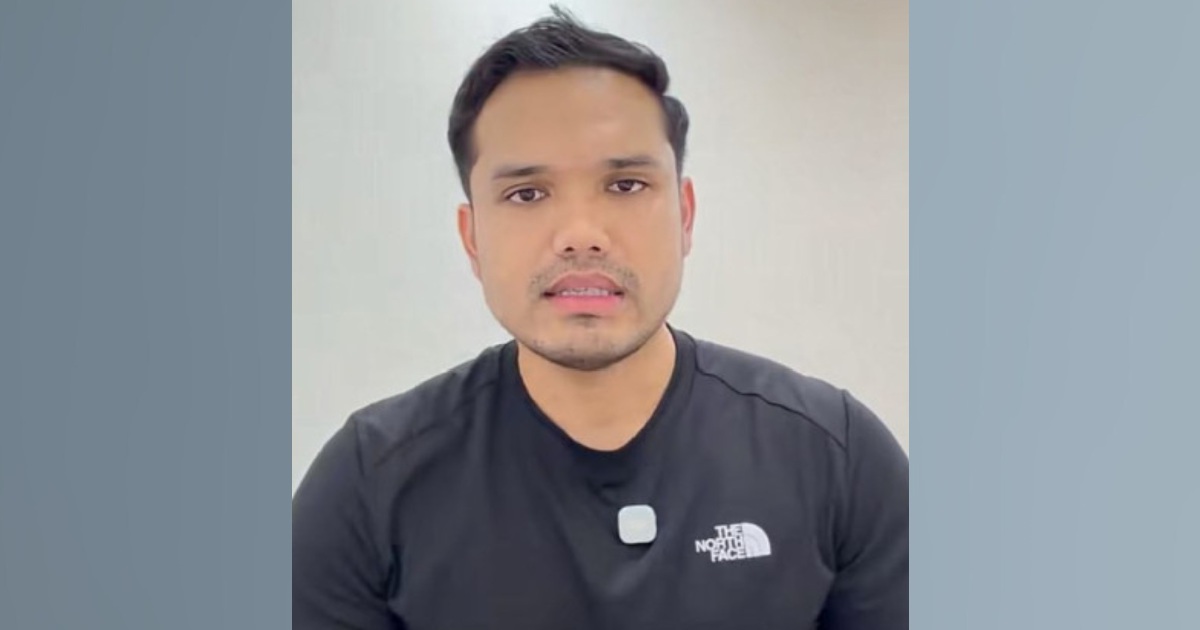
Malaysian influencer and business figure Khairul Aming has voiced significant concern following the apparent unauthorized release of sensitive information linked to his personal mobile phone account. The digital content creator, who commands a substantial following across social media platforms, discovered that his phone billing particulars had surfaced online without his knowledge or consent, reportedly shared by an individual whose identity remains unclear at this stage.
The incident underscores the vulnerability of personal data in Malaysia's increasingly interconnected digital ecosystem. As celebrities and high-profile individuals face mounting risks from privacy breaches, Khairul Aming's experience serves as a cautionary reminder of how readily confidential information can be compromised and circulated among online audiences. The leak represents a troubling intersection of celebrity culture and data security failures that extends well beyond simple embarrassment or inconvenience.
Khairul Aming, who has built a diverse portfolio spanning entertainment, content creation, and entrepreneurial ventures, expressed his discomfort openly following the discovery. His reaction highlights the genuine anxiety that public figures experience when confronted with breaches of their personal information, regardless of their prominence or media presence. For celebrities accustomed to scrutiny regarding their professional activities and public statements, having access to billing details—which often contain sensitive information about location, communication patterns, and service usage—crosses a critical privacy threshold.
The mechanics of how such information becomes publicly available often remain murky, pointing to potential weaknesses in corporate data management systems or the possibility of insider threats within telecommunications companies and service providers. In Malaysia's regulatory environment, telecommunications firms operate under strict licensing requirements, yet incidents of data leakage continue to occur with troubling frequency. The absence of clear accountability mechanisms when such breaches happen has long frustrated consumers and prompted calls for stronger data protection frameworks.
This episode arrives against a backdrop of growing international concern about digital privacy and personal data security. Across Southeast Asia, high-profile cases of information leaks involving celebrities, politicians, and business figures have intensified awareness about the risks inherent in an increasingly digitized society. Malaysia's Personal Data Protection Act, while providing some statutory safeguards, has faced criticism from privacy advocates who argue that enforcement mechanisms remain inadequate and penalties insufficient to deter deliberate breaches.
For influencers like Khairul Aming, whose livelihood depends partly on maintaining a carefully curated public image and whose commercial relationships often involve sensitive negotiations with brands and business partners, the exposure of billing details carries tangible professional risks. Phone records can reveal patterns that competitors might exploit, and billing information occasionally contains details that individuals prefer to keep confidential for personal reasons. The violation fundamentally compromises an individual's agency over their own information.
The timing and method of the leak warrant investigation. Whether the disclosure resulted from a sophisticated cyberattack, credential compromise, or simple negligence by service provider staff will determine both the appropriate remedial steps and potential legal accountability. Malaysian law enforcement agencies and the Malaysian Communications and Multimedia Commission have jurisdiction over such matters, though investigations into information leaks often progress slowly and with limited transparency regarding findings or outcomes.
Khairul Aming's public expression of distress serves a broader function within Malaysian society by elevating awareness about data security threats among his substantial audience. When prominent figures vocalize concerns about privacy breaches, it often catalyzes conversations that might otherwise remain confined to technical specialists or privacy advocates. This democratization of privacy discourse has proven essential in building political will for stronger data protection measures and corporate accountability standards.
The incident also illuminates the particular vulnerabilities faced by content creators and social media personalities in Malaysia. Unlike traditional celebrities who maintain institutional relationships with studios or entertainment companies that provide some data protection infrastructure, independent influencers often rely on personal accounts with various service providers while lacking the comprehensive security protocols that larger organizations can implement. This structural disadvantage leaves many digital entrepreneurs exposed to precisely the kinds of breaches that Khairul Aming experienced.
Moving forward, the case may prompt telecommunications providers operating in Malaysia to audit their internal access controls and implement enhanced monitoring systems to detect unauthorized data access or export activities. Corporate accountability for such breaches remains inconsistent, however, with some companies preferring settlement agreements to public legal proceedings that might expose systemic vulnerabilities. Stronger regulatory frameworks requiring mandatory breach notification and imposing substantial financial penalties could theoretically incentivize more serious investment in data security infrastructure.
For Malaysian consumers and public figures alike, the episode reinforces essential practical security measures including regular password changes, multi-factor authentication where available, and careful scrutiny of which organizations hold access to personal information. Yet individual vigilance, while important, cannot substitute for systemic improvements in corporate data governance and regulatory enforcement. Until Malaysia's telecommunications and technology sectors face meaningful consequences for security failures, similar incidents will likely continue to affect prominent individuals and ordinary users indiscriminately.

