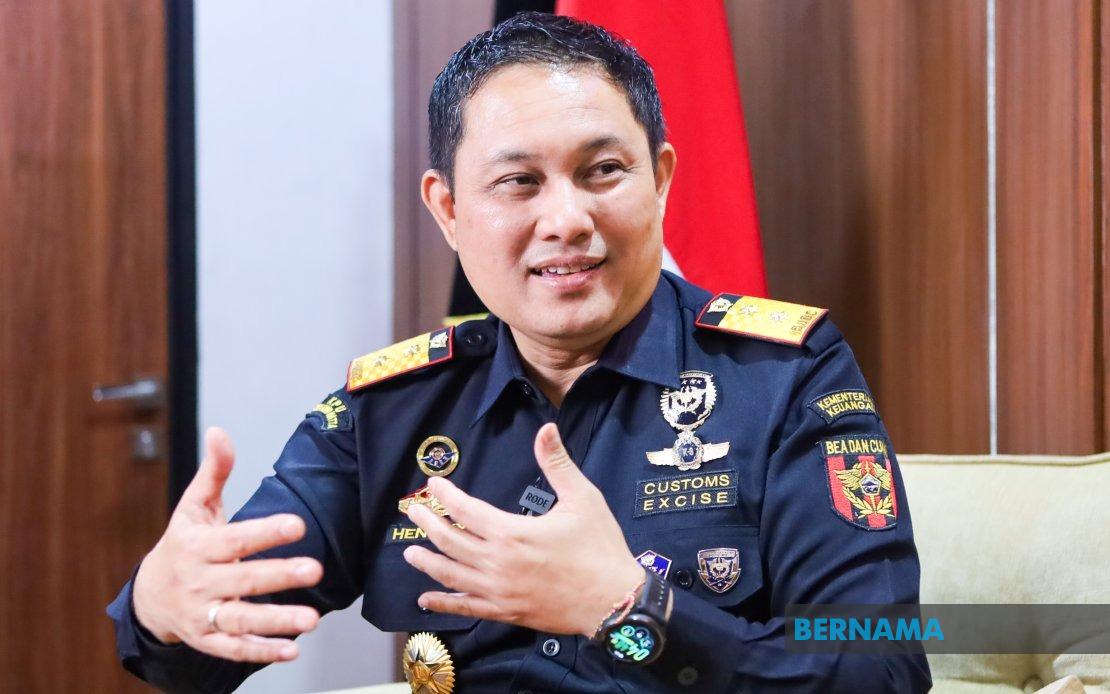
Indonesia's largest international airport, Soekarno-Hatta, is facing an unprecedented surge in narcotics interceptions, with authorities documenting over 300 drug-related incidents in just the first seven months of the year. The scale of the problem becomes apparent when considering that the facility processes between 25,000 and 30,000 international passengers every single day, yet still manages to average at least two drug seizures daily. This relentless volume underscores the sophistication of trafficking networks that have identified major Southeast Asian aviation hubs as critical conduits for moving illicit substances across borders.
Hengky Tomuan Parlindungan Aritonang, who leads the Soekarno-Hatta Main Customs and Excise Office, characterises these statistics as a reflection of transnational smuggling operations that pay little regard to conventional borders or passenger nationality. In an exclusive interview, he revealed that authorities frequently encounter scenarios where the departure point bears no correlation to either the courier's citizenship or the drugs' original source. A common pattern involves flights originating from Malaysia or Thailand carrying Indonesian nationals transporting contraband, illustrating how criminal syndicates deliberately obscure trafficking chains to evade detection.
The intermediary role played by major transit hubs across the region amplifies the problem considerably. Customs officials have identified Malaysia, Thailand, and Hong Kong as key transshipment points where narcotics are routed and repackaged before reaching their final destinations. Rather than representing the end point of trafficking routes, these locations function as strategic distribution centres where drugs change hands multiple times, with fresh couriers recruited at each leg to minimise risk. This model has proven remarkably resilient because it compartmentalises criminal liability and makes intelligence-gathering significantly more challenging for regional law enforcement.
Syndicates demonstrate remarkable flexibility in their recruitment strategies, caring little for the background or nationality of potential couriers. Aritonang noted that traffickers actively approach and persuade individuals regardless of origin, exploiting economic desperation or leveraging existing connections to ensure compliance. A particularly concerning trend involves targeting Indonesians working overseas, who are coerced into smuggling drugs during their returns home by exploiting family connections or financial vulnerability. This strategy transforms overseas diaspora communities into unwitting participants in smuggling operations, complicating efforts to address the problem through conventional border enforcement alone.
The actual composition of seized shipments reveals the diversity of trafficking networks operating through Soekarno-Hatta. Customs data demonstrates that intercepted suspects originate from Spain, Malaysia, France, China and numerous other countries, while the drugs themselves frequently originate from Thailand, Spain, Malaysia and Singapore. Psychotropic substances dominate the seizure statistics, alongside etomidate and methamphetamine, though the largest hauls by weight involve methamphetamine and MDMA. These patterns suggest multiple independent smuggling organisations rather than a single coordinated operation, each exploiting different supply chains and courier networks to penetrate Indonesian markets.
Beyond terminal security checkpoints, investigators have identified another critical vulnerability in air cargo operations. Narcotics are systematically dispatched through commercial cargo systems, with trafficking organisations deliberately fragmenting shipments and concealing them within legitimate goods. Law enforcement has developed protocols to identify intended recipients before systematically tracing shipments backward toward source points, though this approach remains labour-intensive and reactive rather than genuinely preventive. The scale of international aviation cargo volumes passing through Jakarta ensures that complete screening remains logistically impossible, creating inevitable gaps that organised networks continue to exploit.
Recent high-profile cases involving Malaysian nationals have intensified scrutiny, both domestically and across the region. A Malaysian pilot was detained following the seizure of approximately 25 kilogrammes of MDMA at Soekarno-Hatta, while another Malaysian faced arrest at Surabaya's Juanda International Airport after authorities discovered nearly one kilogramme of methamphetamine and over 1,000 ecstasy pills concealed on his person. These incidents coincided with the detention of three Malaysian women at Soekarno-Hatta following discovery of suspected MDMA, cocaine and ketamine. The concentration of Malaysian-linked cases within such a compressed timeframe has inevitably raised questions about whether specific trafficking networks are intensifying operations or whether increased enforcement focus has simply made existing patterns more visible.
Aritonang was careful to address concerns that Malaysian travellers might face discriminatory treatment as a consequence of these high-profile cases. He emphasised that Customs screening protocols operate entirely on the basis of intelligence, data analysis and X-ray imagery rather than profiling based on nationality, ethnicity or appearance. Officers cannot determine a traveller's identity until after suspicious items are detected, meaning all passengers theoretically face identical scrutiny standards. The official characterised the Malaysian focus as coincidental rather than systematic, a natural consequence of large passenger flows rather than evidence of deliberate targeting.
The pilot case merits particular attention because it represents a dramatic departure from typical smuggling patterns. Aritonang observed that the case generated substantial media attention domestically not because the suspect's nationality was Malaysian, but because his profession as a pilot made his alleged involvement genuinely extraordinary. Aircraft captains undergo extensive vetting procedures, including licensing requirements, medical examinations and security clearances that should theoretically exclude individuals compromised by criminal entanglement. The willingness of traffickers to approach and recruit someone occupying such a sensitive position suggests either exceptional desperation born of insufficient supplies or an unexpected breach in screening procedures that warrants investigation.
Historically, Indonesian authorities can recall only one comparable instance involving an aircraft pilot in trafficking operations, an Indonesian pilot incident occurring approximately two decades prior. The rarity of pilot involvement underscores how thoroughly training and professional standards normally insulate the aviation industry from narcotics networks. Yet Aritonang's reflection on the case reveals a sobering insight: syndicates deliberately target approaches that law enforcement considers implausible, reasoning that security professionals will never anticipate vulnerability vectors they consider fundamentally impossible. This inverted logic, where improbability becomes a recruitment advantage, suggests that traditional enforcement strategies may require fundamental reconceptualisation to remain effective against networks capable of such sophisticated thinking.
The trajectory of drug seizures at Soekarno-Hatta reflects broader Southeast Asian challenges that extend far beyond Indonesian jurisdiction. Malaysia's role as both a significant source country and a critical transit point creates complications for bilateral cooperation efforts, as authorities in both nations must balance enforcement imperatives against concerns about cross-border relations and reputation. The concentration of cases at a single facility suggests that systematic vulnerability still exists despite technological investment, personnel training and intelligence-sharing arrangements. Addressing this challenge requires sustained political commitment to expanding screening capacity, enhancing investigative cooperation across national boundaries, and disrupting the economic models that make trafficking recruitment profitable for organised networks.

