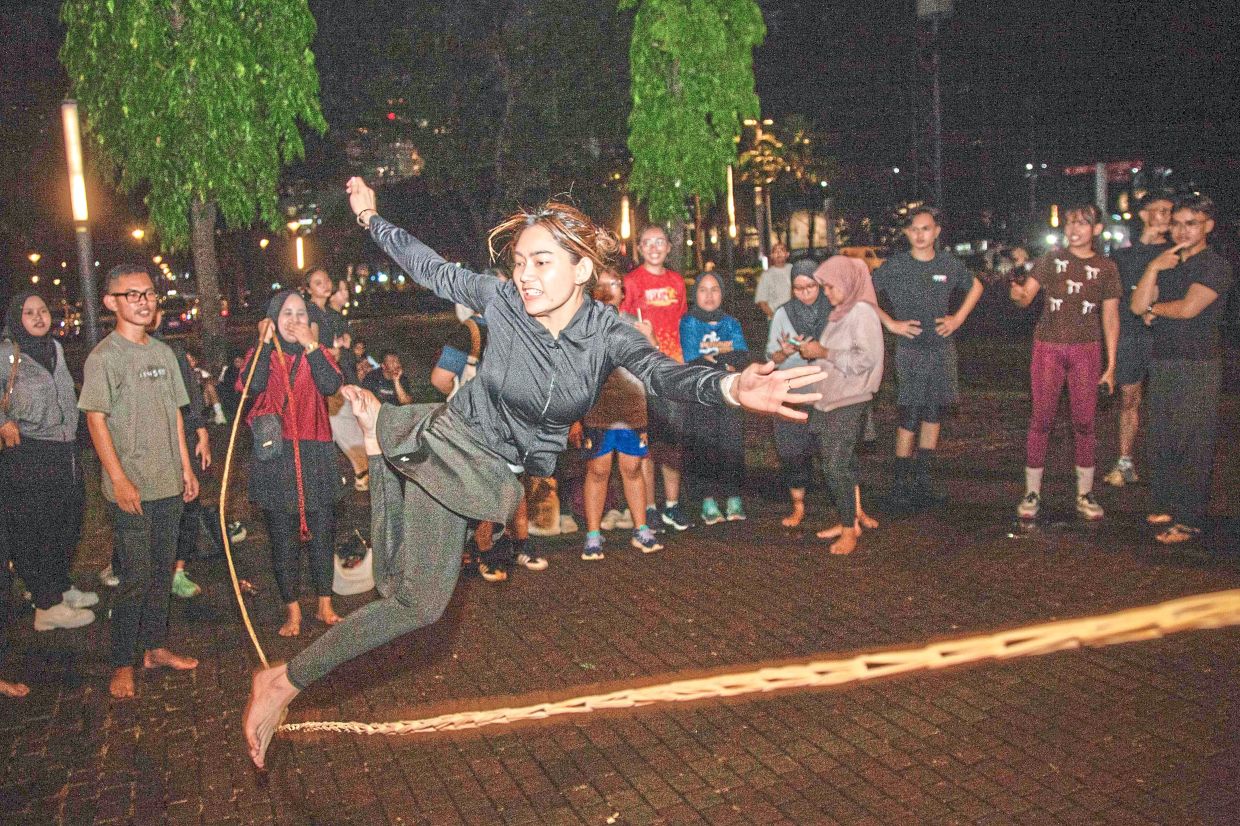
Hundreds of exhausted Indonesian professionals are turning to an unconventional form of stress relief: traditional children's games played in large community gatherings. In Jakarta's main stadium, tech worker Annisa Enggracia Fidel sprints back and forth defending an imaginary fort against fellow adults in a high-energy session of bentengan, a fort-guarding game rooted in Indonesian childhood culture. The scene captures a broader phenomenon sweeping across Southeast Asia's most populous nation, where mounting workplace pressures and urban strain are driving workers to seek authentic, low-cost alternatives to conventional wellness solutions.
The Playing Community, founded in 2024 by 24-year-old Akihiko Akira, emerged from deeply personal struggles with burnout and life pressures that resonate with countless Generation Z professionals. Acutely aware that he and his peers faced mounting stress from work demands, Acira discovered emotional release through lompat karet, a childhood game involving jumping over long ropes made from braided elastic bands. When he shared videos of his rediscovered joy online, the response was overwhelming, revealing a hidden hunger among urban Indonesians for spaces offering genuine reprieve from grinding daily routines. What began as a solitary coping mechanism rapidly transformed into a coordinated movement, with founder Acira recognising that play offered something deeper than temporary distraction: a pathway back to embodied joy and authentic human connection.
The expansion of these gatherings reflects the acute mental health challenges facing Indonesia's rapidly urbanising population. Jakarta's metropolitan area now hosts more than 42 million residents, making it the world's largest urban agglomeration by population. This explosive growth has created a frenetic pace of life characterised by chronic traffic congestion, frequent flooding, hazardous air quality levels, and a critical absence of accessible green spaces where people might decompress and find tranquility. These environmental stressors compound workplace pressures and social demands, creating a perfect storm of burnout that affects workers across industries and age groups. The Playing Community's emergence thus represents not mere nostalgia but a collective recognition that existing infrastructure and institutional support systems have failed to adequately address the mental health crisis emerging from unchecked urbanisation.
Participants consistently describe the physical dimension of gameplay as central to its therapeutic power. Annisa emphasises the connection between vigorous bodily exertion and psychological relief, explaining that the more energy expended through sweat and movement, the more thoroughly stress dissipates from one's system. Beyond this intuitive release mechanism, she identifies the neurochemical dimension: the rush of endorphins that floods the system during active play generates sustained feelings of motivation and wellbeing that linger long after the session concludes. This understanding of play as a full-bodied, neurologically integrated experience distinguishes these gatherings from passive stress-management techniques, positioning them as genuinely transformative rather than merely distracting interventions.
The games themselves span a spectrum of physical and cognitive demands, catering to participants with varying fitness levels and preferences. High-intensity options include bentengan and petak jongkok, a variant of tag that demands sustained cardiovascular effort and strategic thinking. For those seeking lower-impact alternatives, congklak—a meditative counting game using seeds or stones—and bola bekel, a skill-based game resembling jacks, provide gentler avenues for engagement while still fostering cognitive stimulation and tactile satisfaction. This diversity ensures genuine inclusivity, enabling participation from diverse ages, fitness levels, and physical abilities. Each game, regardless of intensity, carries cultural weight, connecting players across generations to a shared national heritage and to the unguarded authenticity of childhood selves before adult responsibilities calcified into permanent constraints.
Sessions typically attract between 500 and 1,000 participants and operate on a radically accessible model: attendance is entirely free, requiring only that participants bring water bottles and wear comfortable clothing. This removal of financial barriers is particularly significant in a developing economy where cost remains a substantial impediment to wellness participation. The spontaneity of recruitment—Imam Hidayat discovered the group by jogging past an active session—suggests organic, grassroots growth driven by genuine enthusiasm rather than aggressive marketing. Hidayat, a 27-year-old IT developer working in corporate banking, describes the freedom from deadline pressure and the joy of playing alongside strangers as transformative, indicating that the psychological benefits extend beyond mere physical activity to encompass social reconnection and temporary liberation from the relentless demands of knowledge work.
Mental health professionals recognise these initiatives as addressing a significant gap in Indonesia's wellness infrastructure. Jakarta-based psychologist Ratih Ibrahim identifies the community-building dimension as fundamental to the intervention's efficacy, emphasizing that participants experience genuine human restoration through shared play, novel social connections, and the recovery of their suppressed inner child. This rehumanisation—the temporary reclamation of one's full self beyond work role and productivity metrics—operates as a powerful counterforce to the dehumanising logic of corporate environments and urban anonymity. The sense of collective purpose and belonging that emerges during these sessions provides psychological nourishment that commercial wellness products cannot replicate, offering something authentically regenerative rather than merely consumable.
The geographic expansion of Playing Community beyond Jakarta demonstrates the universal appeal of this model across Indonesia's diverse regions. Satellite groups have established themselves in Bandung and Yogyakarta on Java island, as well as in Bali, suggesting that burnout and urbanisation stress transcend Jakarta's specific circumstances. Each location has adapted the core concept while maintaining the essential elements: accessible participation, traditional games, collective energy, and the deliberate reactivation of childhood capacities for unselfconscious joy. This geographical spread indicates that Indonesia's burnout crisis is not an isolated Jakarta phenomenon but a systemic challenge affecting workers nationwide as development pressures and modernisation reach every corner of the archipelago.
The demographic composition of participants reveals telling patterns about contemporary Indonesian stress. Intan Permata, a 36-year-old homemaker and mother of three from neighbouring Banten province, describes the sessions as offering essential respite from the relentless cascade of domestic, parental, and household demands that fragment her attention and exhaust her emotional reserves. Her testimony highlights that burnout extends far beyond office workers to encompass anyone navigating the competing demands of contemporary life under conditions of rapid social change. For Intan, the sessions provide not escape but genuine reconnection—a restoration of embodied pleasure, physical capacity, and emotional spontaneity that daily life systematically suppresses.
The Playing Community phenomenon reveals a sophisticated understanding within Indonesian society that addressing burnout requires more than individual-level interventions or pharmaceutical solutions. Rather, the movement suggests that genuine psychological healing emerges through collective participation in culturally rooted practices that simultaneously restore individual agency and reinforce social bonds. The nostalgia invoked by these games operates not as escapism but as a recovery tool, reconnecting participants with a pre-burnout version of themselves and demonstrating that joy, spontaneity, and physical exuberance remain accessible even within urban capitalism's most demanding contexts. As these gatherings continue expanding, they offer a compelling model for how communities might build resilience and wellbeing through collective reclamation of shared cultural heritage rather than dependence on commercialised wellness industries.

