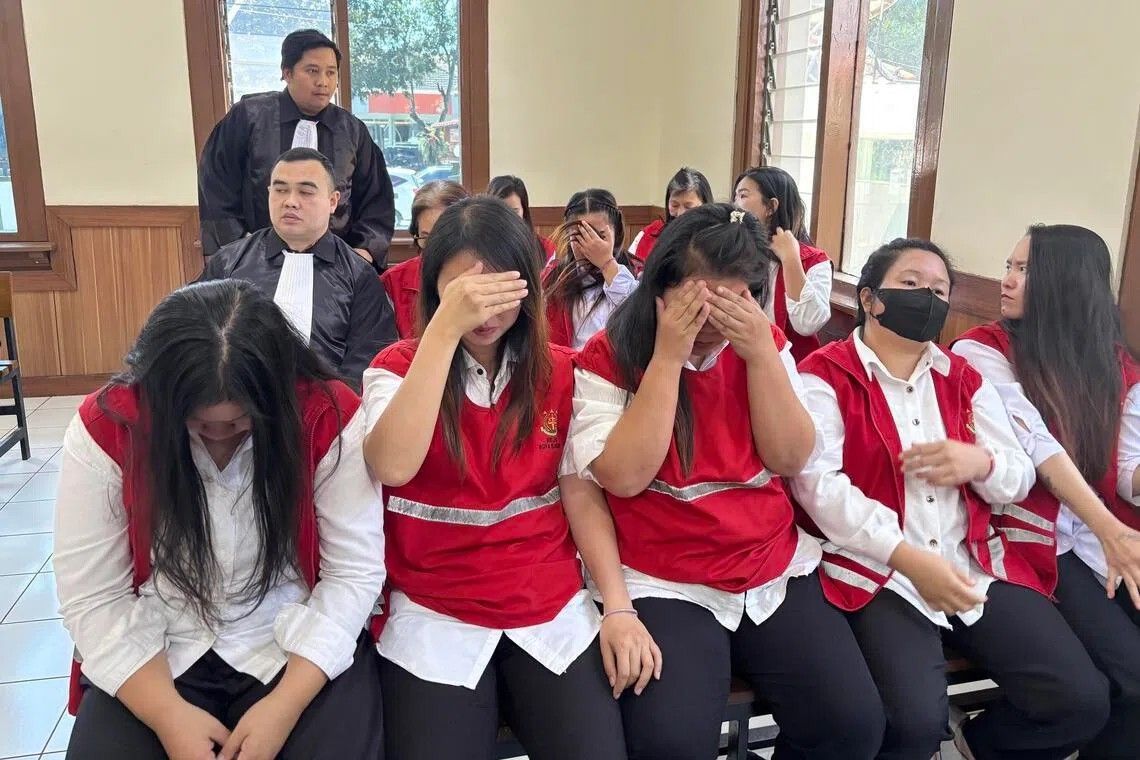
A three-judge panel at Bandung District Court in West Java has handed down guilty verdicts against all 19 defendants in a major human trafficking case involving the smuggling of dozens of infants across borders. The operation, which operated between 2023 and 2025, has exposed significant vulnerabilities in child protection protocols across Southeast Asia and raised urgent questions about transnational adoption networks in the region.
Lie Siu Luan, a 70-year-old woman operating under the aliases Popo and Lily, emerged as the orchestrator of the entire scheme. Judge Gatot Ardian Agustriono, presiding over the panel, delivered the July 21 conviction, determining that Lie had been proven guilty of recruiting, harbouring, and arranging for the transfer of persons for purposes of exploitation. The court sentenced her to seven years imprisonment, a reduction from prosecutors' initial demand of a decade in jail. Her role encompassed coordinating the identification and acquisition of infants, preparing fraudulent adoption documentation, and facilitating their transportation to overseas buyers.
The ring successfully trafficked at least 34 babies during its two-year operational window. At minimum, 12 of these vulnerable children were delivered to Singapore, where they were sold at substantial prices. Each infant commanded between 200 to 250 million rupiah, equivalent to approximately S$18,110, according to prosecution evidence presented during trial. The systematic pricing suggests an organized commercial operation rather than ad-hoc smuggling, indicating established buyer networks and supply chains that functioned across multiple countries.
The defendant cohort comprised 18 women working alongside Lie, making this overwhelmingly a female-led criminal enterprise. Two senior recruiters received particularly lengthy sentences reflecting their roles in identifying vulnerable infants. Astri Fitrinika, identified as the chief recruiter, received six years and seven months imprisonment, as did fellow recruiters Djaka Hamdani and Elin Marlina. These individuals bore responsibility for identifying targets and extracting infants from their original circumstances, a task requiring manipulation of families and exploitation of economic desperation.
Documentation fraud formed a crucial operational component, with defendant Lai Su Hua convicted for falsifying state documents essential to adoption proceedings. The fabrication of adoption papers represented a sophisticated element enabling international movement and legal registration of trafficked children as legitimate adoptees. This falsification created the veneer of legitimacy that facilitated border crossings and international transfers, allowing authorities in receiving countries to process the children through apparently lawful channels.
Fourteen additional defendants, primarily functioning as caregivers and handlers for the infants, received three-year-four-month sentences. These individuals maintained physical custody of the children while awaiting transfer, a role critical to the ring's operations yet receiving substantially lighter penalties than recruitment and documentation specialists. The court's sentencing structure reflected the differentiated culpability of various participants, with those making strategic decisions receiving harsher punishment than those executing operational tasks.
The trial commenced in April following extensive investigation into trafficking allegations. Throughout proceedings, Lie and Astri, the two most senior defendants, adopted a consistent defence strategy centring on the claim that all infants were willingly surrendered by their biological parents rather than abducted or coerced. Both maintained that children received proper care and experienced no abuse, attempting to reframe commercial child trafficking as consensual arrangement between desperate families and the syndicate. Prosecutors presented evidence contradicting this narrative, though the defendants' admissions to most substantive charges, combined with their characterization of parental consent, complicated culpability determinations.
This case illuminates sophisticated human trafficking networks extending across Southeast Asia, targeting infants at a stage of maximum vulnerability. The operation's success in moving children across international borders, securing fraudulent documentation, and establishing willing buyer networks in destination countries reveals systemic gaps in child protection mechanisms. Singapore's emergence as a destination market for trafficked infants raises questions about international adoption oversight and the adequacy of verification processes in receiving nations.
The conviction carries significant implications for regional cooperation on child trafficking. Indonesia's prosecution, conviction, and imprisonment of all defendants demonstrates capacity for serious investigation and prosecution, yet the operation's multi-year operation before dismantling suggests detection mechanisms require strengthening. The case underscores how legitimate adoption frameworks can be infiltrated and weaponized by criminal networks, a concern directly relevant to Malaysia and other Southeast Asian nations with substantial adoptive parent populations.
The sentencing reflects judicial acknowledgment that commercial trafficking of infants constitutes grave criminal conduct, yet the sentences imposed—ranging from three years-four months to seven years—remain markedly lower than maximum penalties available under Indonesian law. The discrepancy between prosecutor requests and judicial outcomes suggests courts may have credited defence arguments regarding parental consent, or emphasized rehabilitation potential, though systematic child trafficking ordinarily warrants maximum available sentences given the irreplaceable harm inflicted on victims.

