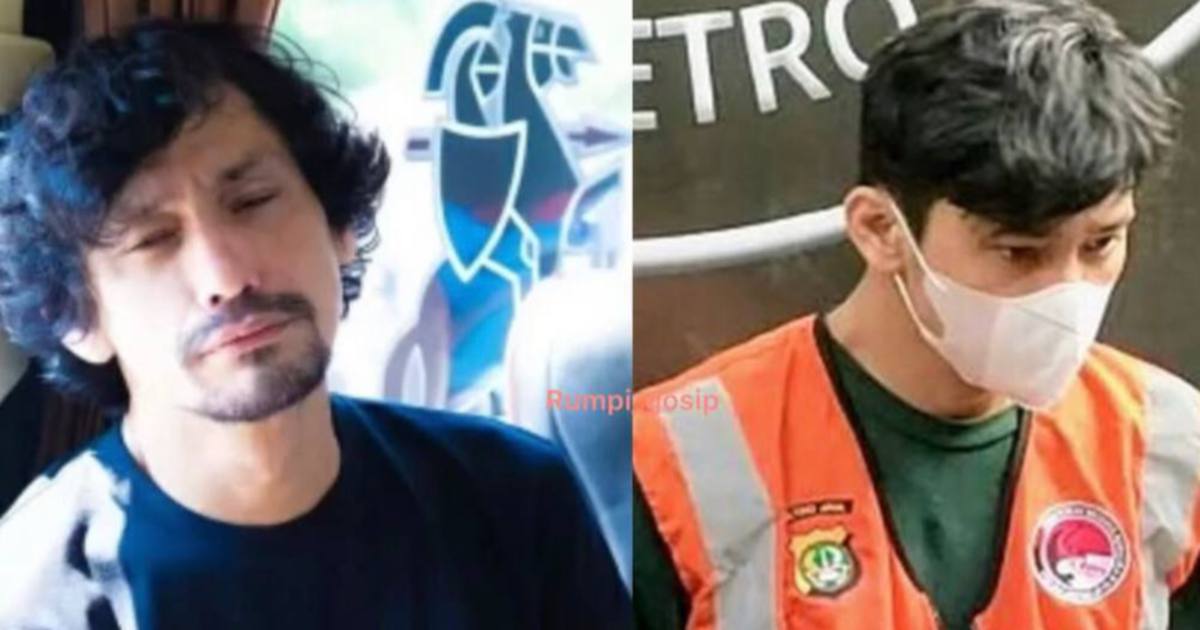
Indonesian actor Revaldo Fifaldi has been taken into custody once more after police raided an apartment in South Jakarta, marking his fourth arrest connected to drug possession and consumption. The detention occurred yesterday during an operation that uncovered narcotics at the residence, underscoring a troubling pattern of legal difficulties that has increasingly defined his public profile over recent years.
Revaldo's repeated brush with the law reflects a broader concern within Jakarta's entertainment sector regarding substance abuse among performers. The actor's escalating involvement with drug-related offences has transformed what might otherwise be viewed as a private struggle into a high-profile case that draws considerable attention from media and public observers. Each successive arrest receives amplified scrutiny, serving as a reminder of how celebrity status can both shield individuals from accountability and simultaneously magnify the consequences of their actions.
The specifics surrounding this particular raid demonstrate that law enforcement continues to maintain focus on narcotics-related activities across residential areas in South Jakarta. Authorities appear to have targeted the apartment based on intelligence suggesting drug possession and use, resulting in what represents another significant intervention in Revaldo's life. The timing and nature of such operations suggest that police intelligence networks remain active in monitoring suspected drug activities within the capital's entertainment district.
What complicates Revaldo's situation is the cumulative impact of successive arrests on his professional prospects and public reputation. In the Indonesian entertainment industry, where brand reputation and public perception directly influence casting decisions and endorsement opportunities, repeated detention records create substantial barriers to career rehabilitation. Unlike a single isolated incident that might be reframed as a momentary lapse in judgment, multiple arrests establish a pattern that industry stakeholders find increasingly difficult to overlook or forgive.
The actor's claim about maintaining fitness through substance use, if accurately reported, illustrates a common rationalisation among some individuals struggling with addiction. Such justifications, however well-intentioned they may appear, fundamentally misrepresent the health implications of drug consumption. This disconnect between perception and reality often complicates rehabilitation efforts and extends the duration of individuals' involvement with the criminal justice system.
Indonesia's approach to drug-related offences remains notably stringent compared to some regional neighbours, with narcotics laws imposing substantial penalties on possession and consumption. This legal environment means that Revaldo faces genuine consequences beyond mere reputational damage, with imprisonment a realistic possibility depending on the substances involved and quantities detected during the raid. The fourth arrest substantially increases the likelihood of custodial sentences that would effectively remove him from the entertainment sector for extended periods.
The broader implications for Indonesian cinema extend beyond one individual's misfortunes. When established performers face repeated legal difficulties stemming from substance abuse, it raises questions about whether the industry provides adequate support systems for those struggling with addiction. Mental health services, rehabilitation programmes, and peer support networks remain underdeveloped within many sectors of Indonesian entertainment, leaving vulnerable individuals without constructive pathways toward recovery.
Regional observers note that drug-related arrests involving entertainment personalities frequently generate significant public discourse across Southeast Asia, where substance abuse carries particular stigma and legal consequences. Revaldo's situation resonates with similar cases across the region, including Malaysia and Thailand, where entertainment figures have faced comparable legal challenges. These patterns suggest that the pressures accompanying celebrity status, combined with inadequate mental health infrastructure, create conditions conducive to substance abuse across multiple national entertainment industries.
The investigation currently underway will determine precisely what substances were recovered and in what quantities, factors that directly influence the severity of potential penalties. Police reports detailing the findings from the South Jakarta apartment raid will likely form the basis for prosecution decisions and may result in charges substantially more serious than previous accusations against the actor. This escalation represents a critical juncture in his legal and personal trajectory.
Moving forward, Revaldo's case presents both a personal challenge and a broader social issue meriting serious consideration. Whether he receives primarily punitive responses or can access meaningful rehabilitation support will significantly influence whether this fourth arrest represents a final turning point or merely another chapter in an ongoing cycle. The Indonesian legal and entertainment systems face a choice between approaches emphasising incarceration and those incorporating therapeutic interventions that might address underlying addiction issues more effectively.
For the Malaysian entertainment industry and regional observers, Revaldo's situation serves as a cautionary example of how unchecked substance abuse can progressively unravel professional careers and personal relationships. It underscores the importance of establishing robust support systems within the entertainment sector that can intervene early when performers first evidence signs of addiction, potentially preventing the kind of repeated legal entanglement that now characterises Revaldo's public profile.

