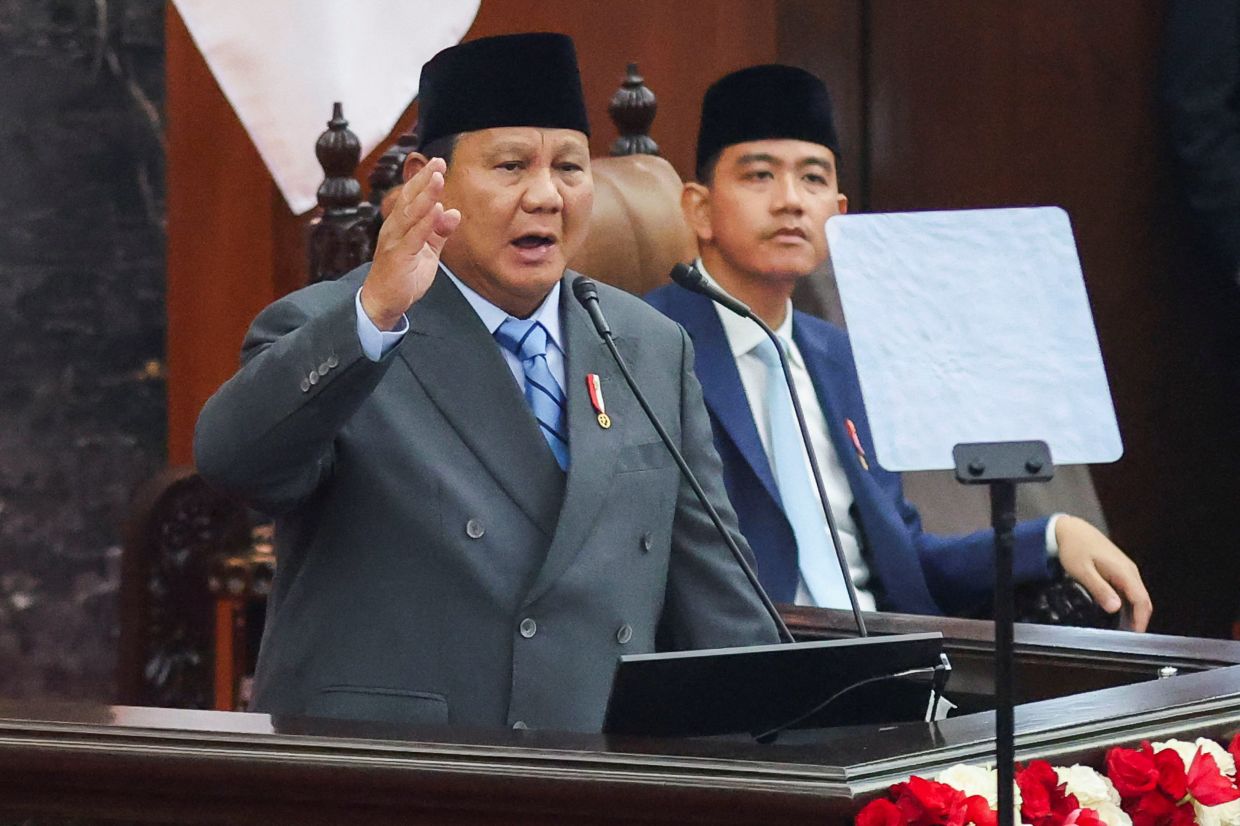
Indonesia is embarking on one of the world's most ambitious state enterprise restructuring programmes, with President Prabowo Subianto announcing plans to close more than 750 state-owned companies by the end of this year. In a combative state of the nation address to parliament, the president painted a stark picture of corporate mismanagement across the country's sprawling public sector, claiming many enterprises mask losses with falsified profit statements whilst draining national resources through inflated overhead costs.
The scale of Indonesia's state enterprise portfolio only became apparent after the government established the Danantara sovereign wealth fund last year to consolidate asset management. Prabowo revealed that the fund's creation exposed the existence of 1,074 state-owned enterprises—far exceeding the president's own prior estimate of three to four hundred. This discovery underscored just how fragmented and uncoordinated state asset management had become across Southeast Asia's largest economy, with individual enterprises operating with little central oversight or accountability to national development goals.
Under the restructuring programme, Jakarta has already closed 290 enterprises, with an ambitious timeline to reduce the total number to just 300 by year-end. The remaining entities will comprise only those deemed genuinely productive and capable of generating measurable economic value. Prabowo framed the initiative as potentially the largest corporate restructuring undertaken globally, reflecting both the scale of the challenge and the government's determination to recalibrate the state sector's role in the economy.
Financial savings from the initial phase have already been substantial. The administration has clawed back approximately 50 trillion rupiah—equivalent to more than $2.8 billion—through eliminating redundant overhead expenses. These cuts encompassed executive salaries and allowances, property rental costs, vehicle fleet maintenance, and business travel budgets that had accumulated across the bloated enterprise ecosystem. The government is targeting additional savings exceeding 70 trillion rupiah throughout the current financial year, demonstrating confidence in the programme's momentum and effectiveness.
The restructuring appears to have yielded measurable improvements in enterprise profitability. State-owned enterprise profits surged more than 75 per cent year-on-year, reaching 326 trillion rupiah in the most recent reporting period. Whilst sceptics might question the reliability of financial figures from organisations Prabowo himself accused of fabricating results, the dramatic improvement at least suggests operational tightening is taking effect. The recovery in profits, even if partially attributable to improved accounting practices, signals that many enterprises had been operating far below their productive capacity.
Concerned about potential negligence or fraud underlying decades of poor state enterprise performance, Prabowo proposed establishing a special ad hoc court to investigate management practices going back thirty years. The mechanism would interrogate decision-making by boards and administrators across the enterprise ecosystem, potentially exposing systematic corruption or gross negligence. However, the president balanced this accountability drive with an olive branch—proposing some form of amnesty for officials willing to cooperate and demonstrate genuine repentance. This carrot-and-stick approach reflects the political sensitivity of investigating powerful figures whilst maintaining momentum for reform.
Indonesia's track record on combating corruption remains deeply troubling despite incremental improvements to anti-corruption frameworks. The nation scored just 34 out of 100 on Transparency International's Corruption Perceptions Index for 2025, positioning it among the world's more corrupt major economies. Years of establishing specialised anti-graft commissions and arresting prominent figures have failed to generate meaningful systemic change. The state enterprise crisis exemplifies how corruption extends beyond high-profile criminal cases to encompass endemic dysfunction across entire institutional sectors. Restructuring this broken system carries both symbolic and material significance for Jakarta's anti-corruption agenda.
Prabowo's overhaul proposal resonates with broader public discontent simmering across Indonesia. Persistent inflation, elevated living costs, and global commodity price volatility—particularly oil price surges driven by Middle East tensions—have stoked popular frustration. Accusations of financial mismanagement and wasteful spending within state institutions fuel citizen anger and provide political ammunition for reform advocates. By visibly dismantling unproductive state enterprises and recovering billions in misspent resources, the government signals responsiveness to public demands for accountability and efficient resource allocation.
The restructuring programme intersects with broader policy debates about Indonesia's development priorities. Prabowo's flagship free school meals initiative faces particular scrutiny over cost-effectiveness and programme design, yet the president recommitted to expanding the initiative while promising operational improvements and stricter efficiency measures. Childhood malnutrition remains a critical development challenge, with one in four Indonesian children experiencing stunting—a figure that haunts the nation's long-term human capital prospects. Balancing fiscal discipline with investments in social protection therefore presents a genuine dilemma rather than a straightforward policy choice.
Economic growth projections further complicate the restructuring narrative. Indonesia reported second-quarter GDP expansion of 5.3 per cent following first-quarter growth of 5.6 per cent, though independent analysts have persistently questioned the reliability of official statistics. Prabowo expressed confidence the economy would achieve 6.0 per cent growth by the end of 2026, contingent on improved investment productivity and job creation. The president framed economic expansion not as an end in itself but as a vehicle for improving living standards amongst lower-income Indonesians, emphasising that every investment rupiah must translate into employment and tangible welfare improvements.
The state enterprise closure programme must ultimately be evaluated against these broader economic and social objectives. Eliminating genuinely unproductive entities and recovering misspent resources should theoretically liberate capital and management attention for higher-priority national investments. However, implementation risks abound—including potential job losses among displaced workers, regional economic disruption where state enterprises provide key employment, and implementation failures typical of large-scale government restructuring initiatives. Success will depend on whether Jakarta can simultaneously demolish wasteful institutions whilst retaining or replacing their socially valuable functions, particularly in less profitable sectors where market forces alone provide insufficient incentive for private sector engagement.

