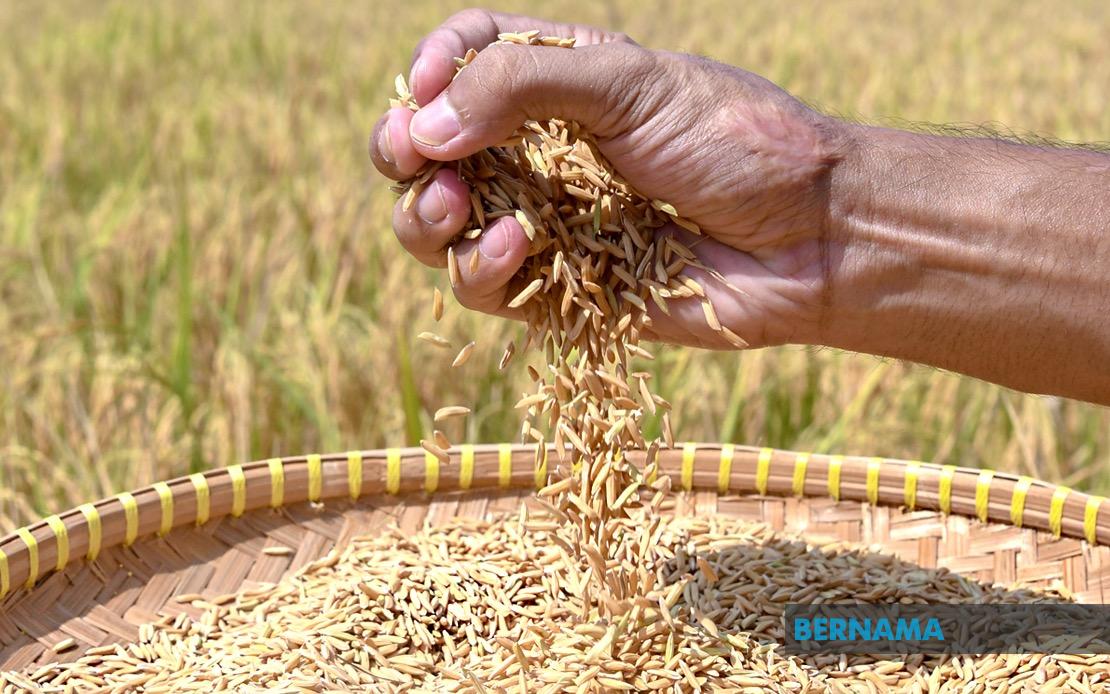
Indonesia's state-owned logistics agency, Bulog, is pressing ahead with negotiations to supply rice to Malaysia and Singapore, marking a significant development in regional food security discussions amid broader geopolitical and economic considerations. The ongoing talks represent efforts to strengthen trade relationships across Southeast Asia while addressing supply chain dynamics in a region where food stability remains strategically important.
According to Bulog president director Ahmad Rizal Ramdhani, the agency maintains active communication with both neighbouring countries as discussions centre on agreeing final pricing structures and other commercial details. The negotiations demonstrate Indonesia's willingness to leverage its agricultural capacity to support regional partners, though both sides must reconcile their respective economic interests before formal agreements can be concluded.
The proposed arrangement with Malaysia involves an initial shipment of 200,000 tonnes of rice, a substantial volume that would represent a meaningful contribution to Malaysia's grain supplies. This figure underscores the scale of Indonesia's agricultural production capability and its potential role as a reliable food supplier within Southeast Asia. Separately, Indonesia has outlined plans to export 10,000 tonnes to Singapore following bilateral discussions between Indonesia's Agriculture Minister Andi Amran Sulaiman and Singapore's Sustainability and the Environment Minister Grace Fu, held in Jakarta on June 29.
Ramdhani indicated that procedural delays have slowed momentum, noting that Malaysia has not yet confirmed its readiness to receive an Indonesian delegation to finalise negotiations. He characterised the situation as one requiring patience and continued diplomatic engagement, emphasising that both parties need to establish mutual convenience for formal discussions to proceed. This reflects the necessity of coordinating schedules and preparations across governments and logistics operations, a common challenge in large-scale international commodity transactions.
The pricing dimension remains central to these negotiations, with both countries seeking terms that reflect their respective domestic priorities and market conditions. For Malaysia, securing reasonably priced rice supplies supports cost-of-living concerns and food affordability. For Indonesia, ensuring appropriate returns protects farmer incomes and sustains domestic agricultural investment, critical considerations in a nation where rural communities depend significantly on rice production.
The involvement of Indonesia's President Prabowo Subianto underscores the political significance attached to these negotiations. His directive that any export arrangement must protect Indonesian farmers and serve the country's broader economic interests establishes clear parameters for Bulog's negotiating position. This approach reflects recognition that agricultural policy extends beyond commercial transactions to encompass rural welfare and domestic food security, preventing exports from compromising Indonesia's own grain reserves or farmer viability.
For Malaysian readers, these negotiations carry particular relevance given Malaysia's reliance on imported rice to meet domestic demand. Indonesia remains a potential source for moderating import costs and diversifying supplier relationships beyond traditional sources. Establishing reliable trade corridors with Indonesia could enhance Malaysia's food supply resilience while supporting bilateral economic cooperation.
Singapore's participation in these discussions, though involving substantially smaller volumes, reflects the city-state's consistent approach to securing stable food supplies through bilateral agreements. Singapore's limited agricultural land necessitates imported foodstuffs, making supplier relationships with larger regional producers strategically important for maintaining living standards and economic stability.
The timing of these negotiations occurs against a backdrop of regional attention to food security. Global factors, including supply chain disruptions and climate-related agricultural challenges, have elevated awareness of the importance of establishing robust regional trading relationships for essential commodities. Indonesia's initiative to engage multiple Southeast Asian partners simultaneously suggests a coordinated approach to leveraging its agricultural resources.
The broader context includes Indonesia's recent presidential transition, with Prabowo Subianto's administration potentially seeking to establish its credentials in agricultural policy and regional economic leadership. Export initiatives can serve dual purposes: generating foreign exchange while demonstrating governmental competence in managing major economic sectors. This combination of financial and political considerations likely shapes Indonesia's approach to finalising these agreements.
Regional observers note that successful conclusion of these rice export arrangements could establish precedents for other commodity trading relationships within Southeast Asia. The mechanisms developed for pricing negotiation, quality assurance, logistics coordination, and dispute resolution could inform future bilateral agreements, potentially streamlining regional trade processes.
The emphasis on continued communication despite procedural delays suggests both Indonesia and its potential buyers perceive value in reaching agreement. This underlying commercial logic, combined with the explicit governmental involvement at ministerial and presidential levels, indicates these discussions will likely proceed toward resolution, though the timeline remains uncertain pending confirmation of Malaysia's delegation readiness.
As negotiations advance, observers will monitor whether agreed prices reflect competitive international rates or incorporate bilateral political considerations. The outcomes of these talks may influence broader regional conversations about agricultural trade, food sovereignty, and the role of ASEAN integration in managing essential commodity flows across member states.

