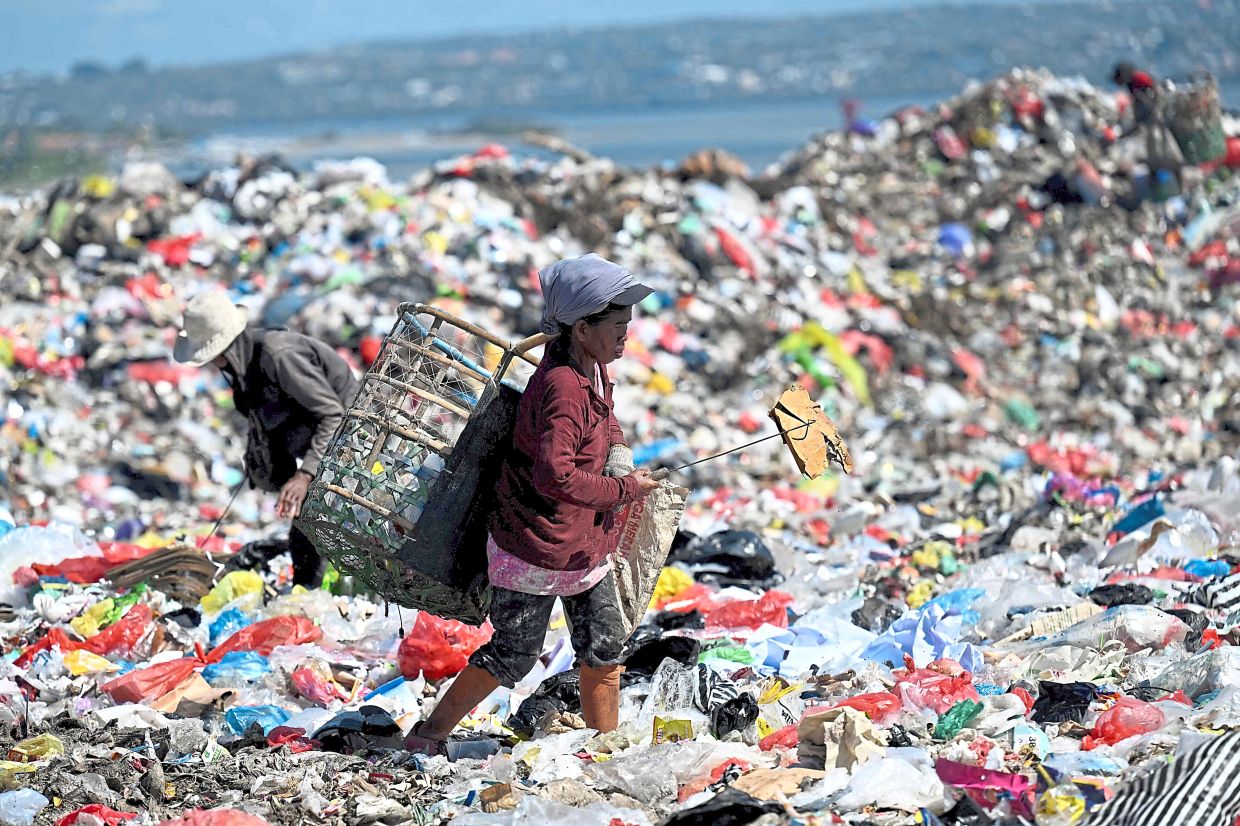
Indonesia has taken a significant step toward addressing its mounting waste crisis by formally launching construction of its first waste-to-energy facility in Bali, a project that signals the country's intention to transform municipal refuse into a renewable energy resource. The groundbreaking ceremony held on Wednesday, July 8, in Pedungan Village, South Denpasar, marks the beginning of what officials describe as a pivotal national programme to tackle waste management through technological innovation rather than reliance on traditional landfill disposal methods.
The initiative is being spearheaded by Danantara Investment Management, the investment arm of Indonesia's sovereign wealth fund, working alongside project developer Daya Energi Bersih Nusantara. Rosan Roeslani, chief executive officer of Danantara Indonesia, articulated the project's strategic importance in a statement, emphasising that the facility represents a response to presidential directives from President Prabowo Subianto regarding the urgent need to modernise the nation's waste handling infrastructure. The executive framed the undertaking as addressing a collective challenge that demands immediate action to prevent environmental burdens from cascading into future decades.
At its operational core, the Bali facility will employ moving grate incinerator technology, a proven and widely-implemented solution in waste-to-energy installations across Europe and other developed regions. This technological choice carries significant implications for environmental compliance, as the design specifically adheres to standards set by the European Industrial Emissions Directive, a stringent regulatory framework. By adopting internationally-recognised technology rather than developing inferior local alternatives, Indonesia is positioning itself to meet global environmental benchmarks while building domestic capacity in a critical infrastructure sector.
The environmental benefits projected for this facility are substantial. Danantara estimates that the waste-to-energy approach will reduce emissions by up to 80 per cent per tonne of waste when compared with conventional open dumping at landfills. This dramatic reduction reflects not only the elimination of methane emissions from decomposing organic matter but also the recovery of energy that would otherwise be wasted. For a nation grappling with air quality concerns in major urban centres, such emission reductions carry direct public health implications beyond mere environmental accounting.
The scale of Indonesia's waste generation underscores why this project represents more than a symbolic gesture. The country produces more than 140,000 tonnes of waste daily, a staggering volume that overwhelms conventional landfill infrastructure and contributes to environmental degradation across archipelago islands. With urbanisation and consumption patterns accelerating across Southeast Asia's largest economy, the waste stream is projected to grow further, making alternative disposal and recovery methods increasingly essential. The Bali facility, once operational, will represent only one component of what must become a comprehensive national network of similar installations.
Beyond environmental remediation, the project carries significant employment dimensions. Danantara projects that the facility will generate up to 1,200 green jobs during both the construction phase and subsequent operational periods. This jobs creation potential is particularly relevant for Bali, an island where tourism dominance has historically concentrated employment in service sectors while limiting opportunities in manufacturing and infrastructure development. Green jobs in waste management technology could diversify local economic opportunities while building technical expertise that positions Indonesian professionals competitively within regional and global clean energy markets.
A crucial element securing the project's commercial viability is the Power Purchase Agreement signed between state electricity utility PLN and the project company during the groundbreaking ceremony. This agreement commits PLN to purchasing electricity generated by the facility over an extended period, providing the developers with the revenue certainty necessary to attract investment and service project financing. Such long-term offtake arrangements are standard practice in renewable energy development globally, yet their adoption in Indonesia's waste-to-energy sector represents institutional progress toward creating bankable infrastructure projects that move beyond government subsidies.
The integration of waste management with electricity generation addresses a dual crisis within Indonesia's energy and environmental sectors simultaneously. Rather than treating waste solely as a disposal problem requiring expensive landfill management, the country is repositioning refuse as a feedstock for power generation. This circular approach aligns with international best practices and positions Indonesia alongside nations like Denmark, Germany, and Singapore that have successfully integrated waste management with energy security objectives.
For Malaysian stakeholders and Southeast Asian observers, the Bali project offers instructive lessons regarding technology adoption and infrastructure development at scale. Malaysia itself generates comparable volumes of municipal waste and faces similar landfill saturation pressures, particularly in densely populated areas surrounding Kuala Lumpur and other major urban centres. The Indonesian facility's demonstrated approach—combining proven European technology with sovereign investment capital and utility partnerships—provides a replicable model that Malaysia and other regional economies might adapt to local contexts.

