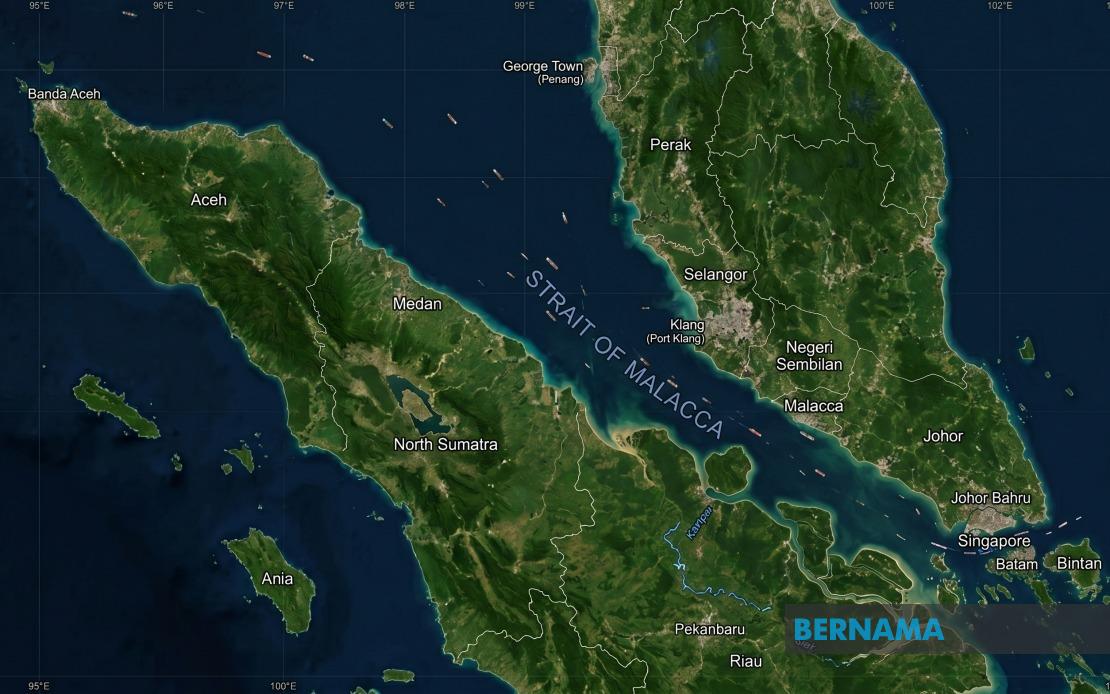
Indonesia and Singapore have jointly renewed their dedication to protecting one of the world's most strategically important waterways, the Strait of Malacca, during high-level talks in Jakarta on Monday. President Prabowo Subianto and Singapore Prime Minister Lawrence Wong underscored their nations' mutual interest in preserving the channel's security while ensuring it remains open to international traffic. The commitment comes as both countries prepare to mark six decades of diplomatic relations next year, signalling deepening cooperation on critical regional issues.
During their second annual Leaders' Retreat at Istana Merdeka, the two presidents stressed that Indonesia and Singapore, as direct maritime neighbours of the strait, share particular responsibility for maintaining its status as a secure and accessible passage. Prabowo emphasised that their joint vision aligns with the framework established by the 1982 United Nations Convention on the Law of the Sea (UNCLOS), which governs maritime rights and responsibilities globally. This adherence to international law provides a solid foundation for their cooperative approach, contrasting with more assertive territorial claims that occasionally arise elsewhere in the region.
Beyond merely keeping shipping lanes open, the Indonesian leader identified multiple dimensions to the protection mandate. Safeguarding the strait extends to preventing environmental degradation from maritime pollution, reducing the risk of accidents involving large cargo vessels and tankers, and combating piracy activities that periodically resurface in these waters. Each of these concerns carries direct economic implications for the four nations bordering or heavily dependent on the waterway—Indonesia, Malaysia, Thailand, and Singapore—making coordinated action essential rather than optional.
The deliberate inclusion of Malaysia and Thailand in this commitment framework reflects recognition that security in the Strait of Malacca cannot be achieved unilaterally. As Malaysia's eastern coast directly overlooks the waterway and Thailand controls the northern approaches, their participation is both practical and diplomatic. Prabowo's explicit mention of continued coordination with both countries signals an inclusive regional approach that contrasts with more confrontational postures some nations adopt over maritime disputes. This multinational framework has proven resilient over decades, surviving various regional tensions and geopolitical shifts.
The discussions between Prabowo and Wong encompassed broader regional and international concerns alongside the bilateral agenda. Both leaders reaffirmed ASEAN's longstanding position that disputes should be resolved through peaceful dialogue and diplomacy rather than coercion or military action. This stance carries particular relevance given ongoing tensions in the South China Sea and broader Indo-Pacific dynamics that sometimes threaten regional stability. The commitment to resolve misunderstandings openly as friends reflects diplomatic maturity in managing relationships between neighbouring states.
Indonesia's emphasis on future-oriented partnership building suggests confidence in the bilateral relationship's trajectory. With the Leaders' Retreat now established as an annual forum, the two countries have created institutional mechanisms for regular high-level engagement that move beyond ad-hoc crisis management. This structured dialogue allows leaders to address emerging challenges proactively and to coordinate positions on international matters where Indonesia and Singapore have aligned interests, from maritime security to climate change and economic cooperation.
For Malaysian readers and policymakers, the Indonesia-Singapore reaffirmation matters significantly. Malaysia's geographic position along the strait means that security arrangements negotiated and implemented by neighbouring states directly affect national interests and economic prosperity. The Strait of Malacca remains one of the world's most critical shipping channels, with approximately one-third of global maritime trade passing through its narrow confines annually. Any disruption—whether from piracy, accidents, or geopolitical tensions—carries immediate consequences for Malaysian trade, energy security, and regional economic growth.
The prospective 60th anniversary of Indonesia-Singapore diplomatic relations next year provides context for understanding why both nations invest in regular consultation and coordination. This longevity reflects both countries' recognition that shared maritime space requires managed cooperation. The special relationship Prabowo referenced acknowledges the particular closeness between Indonesia and Singapore compared to their relationships with other neighbours, rooted in decades of institutional arrangements and personal relationships among leaders and officials.
Practically speaking, Indonesia and Singapore's pledge reinforces existing cooperative mechanisms while signalling commitment to their evolution. Maritime patrols coordinated between Indonesian and Singapore naval forces, information-sharing arrangements about threats to shipping, and regular diplomatic dialogue on emerging challenges all benefit from the kind of high-level political endorsement that the two leaders provided. When presidents personally reaffirm commitments, it typically strengthens bureaucratic implementation at operational levels.
The timing of this announcement reflects broader regional awareness that great power competition in the Indo-Pacific increasingly focuses on control and influence over critical maritime corridors. While neither Prabowo nor Wong directly referenced great power tensions, their emphasis on maintaining the strait's openness to all parties implicitly addresses concerns that the waterway might become contested terrain in larger strategic rivalries. By consistently reaffirming their commitment to open navigation, Indonesia and Singapore maintain a principled position against any attempt to restrict access or impose exclusive control.
For Southeast Asia more broadly, the Indonesia-Singapore posture offers reassurance that not all regional maritime issues have devolved into competitive assertion of conflicting claims. The Strait of Malacca demonstrates that states bordering sensitive waterways can cooperate meaningfully while managing their own bilateral relationships and addressing wider regional concerns. This example carries lessons relevant to other disputed territories and waterways throughout the region, suggesting that diplomatic structures and shared economic interests can sometimes prevail over nationalist rhetoric.

