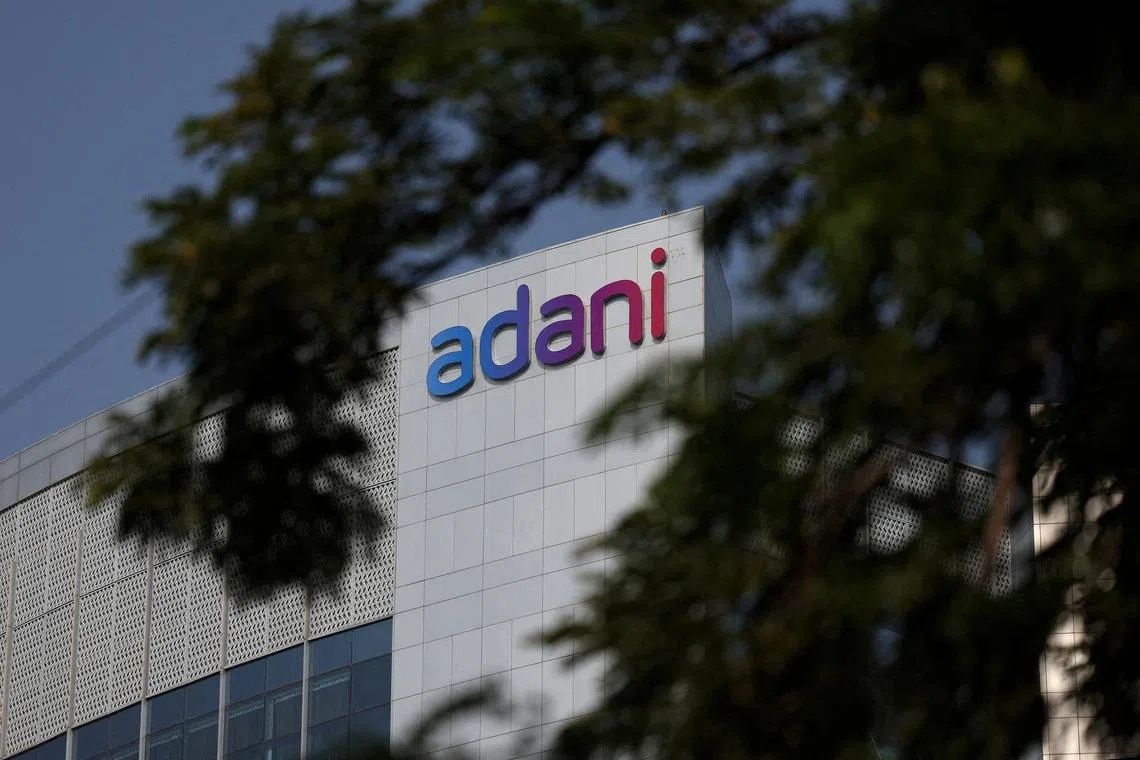
India's customs authorities have escalated their regulatory stance against the Adani Group over the controversial sale of nicotine pouches at airport duty-free outlets, joining forces with the country's health ministry in a significant enforcement action. The customs department filed submissions with Mumbai's High Court on June 22, asserting that the tax advantages granted to duty-free operations do not exempt retailers from compliance with broader health and safety regulations. This development marks a coordinated regulatory response that challenges one of India's largest business conglomerates on a novel commercial front.
The dispute originated following an inspection by health officials at Gautam Adani's Mumbai international airport in March, which uncovered sales of nicotine pouches at duty-free shops operating in violation of Indian law. Nicotine pouches represent a rapidly expanding global nicotine category that has achieved substantial market penetration in developed markets but remains unapproved for sale in India, where tobacco regulation remains stringent. The health ministry's initial action prompted the Adani Group to mount a legal challenge at Mumbai's High Court, seeking validation for continued retail operations at the airport's international departure zones.
Adani's legal strategy centres on an interpretation of customs and duty-free regulations that construes international departure areas as existing outside the jurisdiction of domestic regulatory frameworks. In a July 13 court filing reviewed by international news agencies, the company contended that its legal position remained sound because customs authorities had instructed the cessation of sales without first issuing formal warning notices, thereby potentially breaching procedural requirements. This procedural argument reflects a sophisticated attempt to exploit regulatory technicalities in order to preserve commercial operations that would otherwise face prohibition under substantive law.
The group has additionally maintained that nicotine pouches sold through duty-free channels are governed by distinct legal norms specifically designed for international transit commerce. Under these operational frameworks, products destined for duty-free purchase are sealed and theoretically restricted from consumption until passengers have exited Indian airspace and territorial boundaries. By presenting goods as effectively in transit rather than domestically consumed, Adani sought to position its retail operations as functionally distinct from ordinary commercial activity subject to domestic health enforcement.
However, India's customs department categorically rejected this interpretation as fundamentally flawed in its June 22 filing. Officials argued that the concept of goods being situated "outside customs frontiers" for taxation purposes creates no corresponding exemption from broader regulatory controls administered by health authorities. The customs position emphasises a critical practical reality: once passengers take possession of duty-free merchandise, the opportunity to consume such goods arises immediately, regardless of theoretical restrictions on use or nominal geographic classifications applied to point-of-sale locations.
This regulatory dispute reflects broader tensions surrounding the treatment of emerging nicotine products in India's regulatory environment. Nicotine pouches, which deliver nicotine without tobacco combustion, have experienced explosive growth internationally and now represent one of the world's fastest-expanding nicotine categories. In the United States, Philip Morris's Zyn brand achieved remarkable commercial success, with sales doubling between 2023 and the following year, indicating substantial consumer demand in developed markets. Yet India's regulatory authorities have maintained restrictive positions on novel nicotine delivery products, viewing them as unapproved substances lacking established safety protocols appropriate to the Indian market context.
The timing of this enforcement action carries particular significance given Adani's substantial expansion ambitions across India's airport infrastructure. The Adani Group currently operates eight commercial airports throughout India and has announced an ambitious US$11 billion expansion programme targeting infrastructure development and commercial revenue diversification. Within this strategic framework, duty-free retail operations represent a high-margin revenue opportunity that the company has clearly prioritised as a component of its airport modernisation initiative. Since August, Adani-connected entities have imported notable quantities of Zyn and White Fox brands originating from Swedish Smokeless Solutions, with documented imports exceeding US$35,000, suggesting meaningful commercial commitment to establishing market presence ahead of regulatory resolution.
The regulatory clash between Adani and Indian authorities also reflects evolving approaches to novel consumer products across the Asia-Pacific region. Malaysia and other Southeast Asian nations have observed India's handling of emerging nicotine categories with considerable interest, as regional regulators develop their own policy frameworks governing such products. The outcome of this Mumbai High Court proceeding could therefore establish precedents influencing regulatory approaches beyond India's borders, potentially shaping how regional governments balance commercial interests against precautionary health principles for unapproved substances.
Beyond the immediate commercial implications for Adani's airport operations, this case illustrates fundamental questions about the proper scope of health regulation in contemporary commercial contexts. Regulatory authorities increasingly face the challenge of applying 20th-century statutory frameworks to 21st-century products that exploit jurisdictional boundaries and operational classifications to circumvent substance-specific restrictions. The Indian customs department's assertion that tax-status distinctions cannot override health protections establishes an important principle regarding regulatory coherence and the supremacy of health mandates over administrative classifications designed primarily for customs collection purposes.
The proceeding is scheduled to return before the Mumbai High Court on July 28, where judges will presumably address the procedural and substantive dimensions of Adani's legal challenge. The court must reconcile competing interpretations of customs law, duty-free regulatory frameworks, and the territorial scope of health regulations in an increasingly globalised commercial environment. The outcome will likely determine whether Indian authorities can effectively restrict the sale of unapproved nicotine products at airport venues, or whether commercial entities can exploit jurisdictional ambiguities to establish market footholds for products otherwise prohibited from distribution in India's conventional retail channels.

