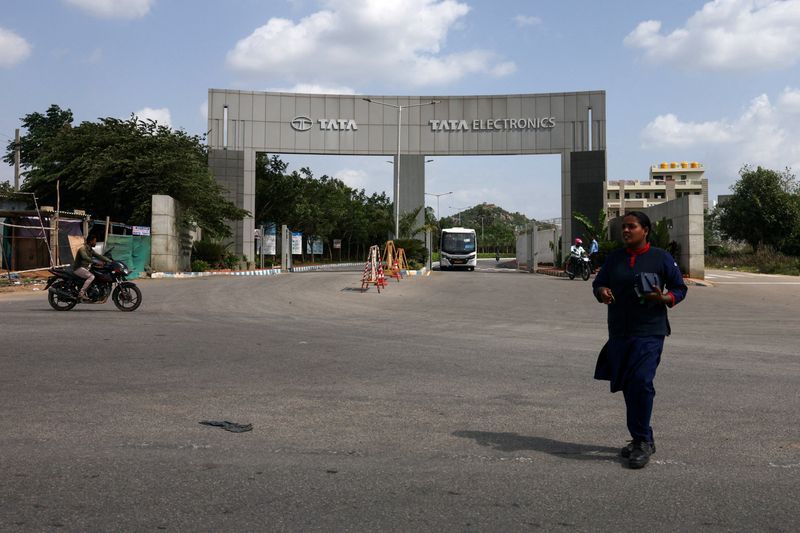
India's Ministry of Electronics and Information Technology has confirmed it is investigating a significant data breach at Tata Electronics, a key supplier in Apple's global manufacturing network, which resulted in the exposure of sensitive information about the unreleased iPhone 18 Pro. The announcement came from S. Krishnan, the ministry's secretary, who disclosed on Thursday that the government has begun examining the incident—marking the first official public acknowledgment of the security breach by Indian authorities.
The compromised data includes highly confidential materials that Apple typically guards with extreme care throughout its product development cycle. According to reports, the stolen files encompass detailed component lists, supplier identification documents, and photographic images of the iPhone 18 Pro prototypes. These materials were subsequently posted on the dark web by the ransomware group responsible for infiltrating Tata's systems, immediately placing sensitive intellectual property in the public domain and potentially compromising Apple's closely held manufacturing secrets.
The exposure of supplier information represents a particularly acute concern for Apple, as the company maintains strict confidentiality around its production chain. The leaked documents identify at least six specific files that reveal which manufacturers are producing particular components for the iPhone 18 Pro variants, details that Apple deliberately omits from its publicly available supplier lists. This granular information about component sourcing and production partnerships could provide valuable intelligence to competitors and complicate Apple's carefully orchestrated supply chain management.
The incident has been formally escalated to India's Computer Emergency Response Team, the government agency mandated with overseeing cybersecurity matters and coordinating responses to digital threats affecting national interests. This escalation reflects the seriousness with which Indian officials are treating the breach, particularly given the involvement of a major technology supplier operating within Indian jurisdiction and its implications for international corporate security and trust in Indian manufacturing hubs.
Tata Electronics occupies a crucial position within Apple's intricate global assembly ecosystem. The conglomerate manufactures iPhones at facilities in India as part of Apple's broader diversification strategy away from China-dominated production. The vulnerability of Tata's security infrastructure therefore raises significant questions about data protection standards among India's technology manufacturing sector and the safeguards protecting multinational corporations' intellectual property within Indian borders.
Apple is preparing to launch the iPhone 18 Pro and Pro Max models in September, making the timing of this breach particularly consequential. The release of design specifications and component details months before the official announcement could disadvantage Apple by allowing competitors and unauthorised manufacturers access to technical information that would normally remain confidential until product launch. The compromised data essentially provides a detailed roadmap of the device's internal architecture and manufacturing approach.
The breach at Tata Electronics represents merely one layer of a broader attack campaign. According to reports, the same ransomware group has also accessed and published confidential documents belonging to other prominent technology companies, including Tesla, Qualcomm, and TSMC. This pattern suggests a sophisticated, well-resourced cybercriminal operation targeting multiple nodes within the global technology supply chain, potentially coordinating attacks to maximize leverage and media impact.
In response to the security incident, Tata has engaged international forensic specialists to conduct a comprehensive audit of its systems and investigate the scope of the breach. This external investigation aims to determine precisely how the attackers gained access to Tata's networks, identify which systems were compromised, and recommend remedial measures to prevent similar incidents. The decision to hire external expertise underscores the severity of the breach and the need for independent assessment of security protocols that apparently failed to prevent the intrusion.
For Malaysia and broader Southeast Asia, this incident carries important implications regarding the regional technology manufacturing ecosystem. As countries across the region develop aspirations to become alternative manufacturing hubs to China, the Tata breach demonstrates the substantial cybersecurity investments and oversight mechanisms that multinational corporations expect from host nations. Malaysian electronics manufacturers and contract assemblers hoping to attract similar high-value contracts from Apple and other technology giants must ensure comparable security standards and protective measures.
The breach also highlights the tensions inherent in Apple's supply chain diversification strategy. While the company seeks to reduce dependence on Chinese manufacturing by expanding production in India and other Southeast Asian nations, these alternative locations must demonstrate equivalent or superior security capabilities to protect proprietary information. The incident raises questions about whether emerging manufacturing hubs possess the institutional capacity and technical infrastructure to safeguard the world's most sensitive technology secrets.
Indian officials' public confirmation of the investigation signals that New Delhi recognizes the broader implications beyond Apple's individual commercial interests. A secure, trustworthy technology manufacturing sector is essential for India's long-term ambitions to become a global electronics production destination. The government's swift engagement of its cybersecurity apparatus suggests an understanding that protecting corporate data integrity directly supports national economic interests in attracting foreign direct investment and high-value manufacturing operations.
The ransomware group's decision to post stolen materials on the dark web rather than simply holding them for ransom negotiations suggests potential commercial motivations beyond traditional extortion. The public disclosure may serve to maximize the leak's impact, potentially generating greater pressure on victims and demonstrating the group's capabilities to prospective targets. This approach represents an evolution in ransomware tactics that prioritizes reputational damage and intelligence value alongside financial extraction.
Moving forward, the investigation's findings will likely influence how multinational technology corporations structure their supply chain security requirements and which jurisdictions they trust with sensitive manufacturing partnerships. India's response to the breach—including investigative thoroughness and remedial measures—will substantially shape perceptions of the country as a secure destination for advanced technology manufacturing over the coming years.

