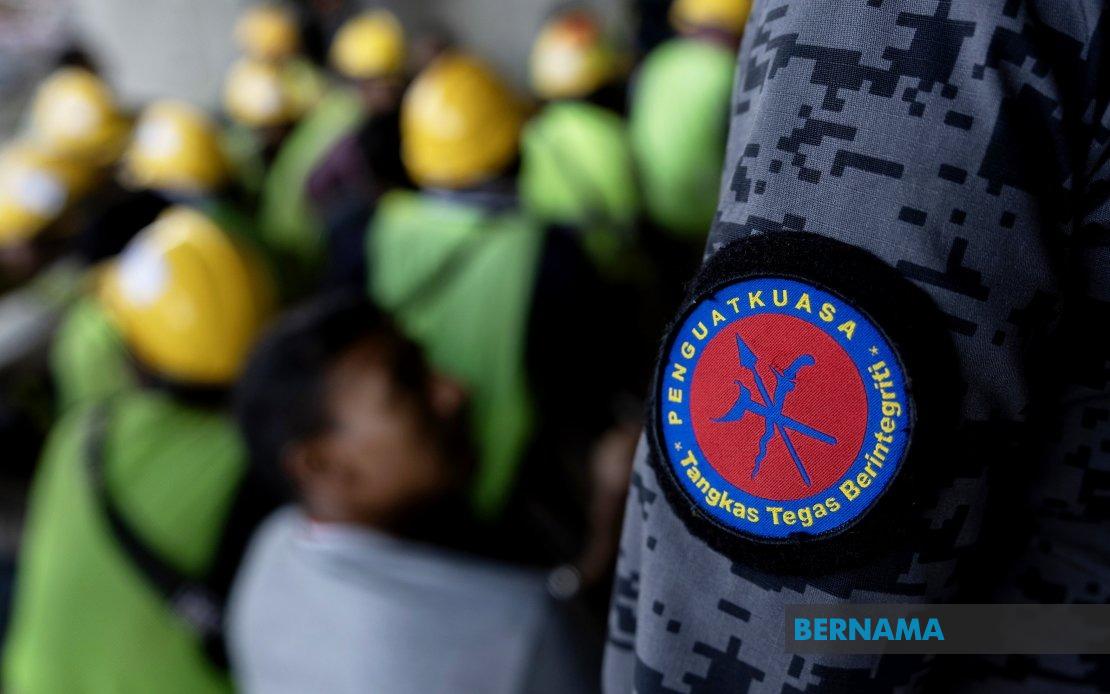
The Immigration Department (JIM) is bringing its passport renewal operations directly to shoppers at IOI City Mall in Putrajaya next week, marking an expansion of its public-facing service delivery model. From July 16 through 18, the department will staff dedicated counters at the mall, operating extended hours from 10 am to 10 pm each day to maximise accessibility for working professionals and families. This initiative forms part of the department's annual Customer Meeting Day (HBPJIM) 2026 programme, timed to coincide with celebrations marking the 104th anniversary of Malaysia's immigration service.
The three-day activation represents a strategic shift in how JIM approaches citizen engagement, moving beyond traditional office-based operations to meet Malaysians in high-traffic commercial spaces. By situating passport renewal services at a major shopping mall rather than confining them to government buildings, the department acknowledges that convenience and accessibility are critical factors determining compliance rates and public satisfaction. This approach mirrors similar initiatives adopted by other government agencies seeking to reduce administrative friction and lower barriers to essential services.
Beyond passport renewals, JIM will deploy a comprehensive suite of immigration-related services across the mall venue. Visitors can request travel status verifications and checks against suspect lists, both of which are essential preliminary steps for international travel. The department will also station advisory staff to provide guidance on visa applications, work permits, social visit passes, and other entry documentation—services that touch virtually every Malaysian planning to travel abroad or sponsor foreign workers. For businesses and employers, representatives from the foreign worker division will be available to address compliance questions and processing inquiries.
A notable feature of the programme is the dedicated focus on MyNIISE, the National Integrated Immigration System application platform that has become central to Malaysia's border management infrastructure. JIM will conduct live demonstrations and training sessions on the system, allowing members of the public to familiarise themselves with the digital interface. As Malaysia continues its digital transformation agenda, building public competency with government digital tools reduces friction in service delivery and decreases reliance on physical office visits for routine tasks.
The educational and promotional component of the event extends to exhibitions showcasing the department's modernisation efforts. Displays will highlight the design and security features of the new Malaysian International Passport (PMA), demonstrating the technological safeguards embedded in contemporary travel documents. Additional exhibitions will cover immigration enforcement operations, uniform heritage, and career pathways within the department—content designed to build public understanding of JIM's operational mandate and attract talent into the civil service. These elements transform what could be a purely transactional event into a platform for institutional branding and workforce recruitment.
Interactive elements are being incorporated to engage families and younger visitors. The department's mascots, Wira and Srikandi, will be present throughout the three days, offering photo opportunities and engagement activities that make government services feel approachable and less intimidating. The Special Tactical Team—responsible for enforcement and security operations—will also be present to interact with the public, humanising the enforcement dimension of immigration work and providing insight into the operational realities of the department's mandate.
Registered visitors stand to receive complimentary souvenirs distributed on a first-come, first-served basis. While the value of promotional merchandise is typically modest, the incentive structure signals JIM's desire to drive registration and data collection. Building a register of participants provides the department with insights into demographic patterns of passport renewal demand and could inform future service location decisions and staffing allocations.
For Malaysian travellers, the timing of this initiative merits attention. The July period typically precedes the school holidays and coincides with the period when families and professionals begin planning overseas trips and formalising travel documentation. A three-day window with extended operating hours could resolve passport renewal backlogs and allow applicants to complete their requirements without taking extended leave from work. The decision to situate services at IOI City Mall is strategically sound; the venue attracts footfall from across Putrajaya and surrounding Selangor districts.
This activation also reflects broader regional trends in government service innovation. Across Southeast Asia, agencies are experimenting with decentralised service points, mobile units, and high-traffic venue activation as alternatives to centralised office models. Malaysia's approach aligns with these international practices while respecting local preferences for in-person processing of sensitive identity documents.
The programme carries implications beyond immediate operational convenience. It signals JIM's commitment to public engagement and its recognition that service accessibility directly influences compliance and public confidence in government institutions. By removing geographical and temporal barriers to passport renewal, the department may see increased application volumes and higher renewal rates among the eligible population. This, in turn, reduces the proportion of Malaysians travelling on expired documents—a security vulnerability for both individual travellers and border management authorities.
For Malaysian businesses sponsoring foreign workers, the presence of the foreign worker division at a commercial venue offers an accessible touchpoint for compliance inquiries and application support. This could streamline recruitment processes and reduce the administrative overhead associated with navigating immigration requirements. The broadened access to government expertise at a neutral venue may also reduce reliance on immigration consultants and intermediaries, lowering transaction costs for smaller employers.
As JIM approaches its 104th anniversary, this Customer Meeting Day programme demonstrates how heritage institutions can modernise their engagement models without abandoning the core mandate of delivering authoritative, secure immigration services. The combination of extended hours, diverse service offerings, public education, and interactive elements creates a multifaceted engagement platform that extends beyond transactional convenience into public diplomacy and institutional brand-building. Whether this model becomes permanent or remains a periodic activation will provide important signals about JIM's longer-term service delivery strategy.

