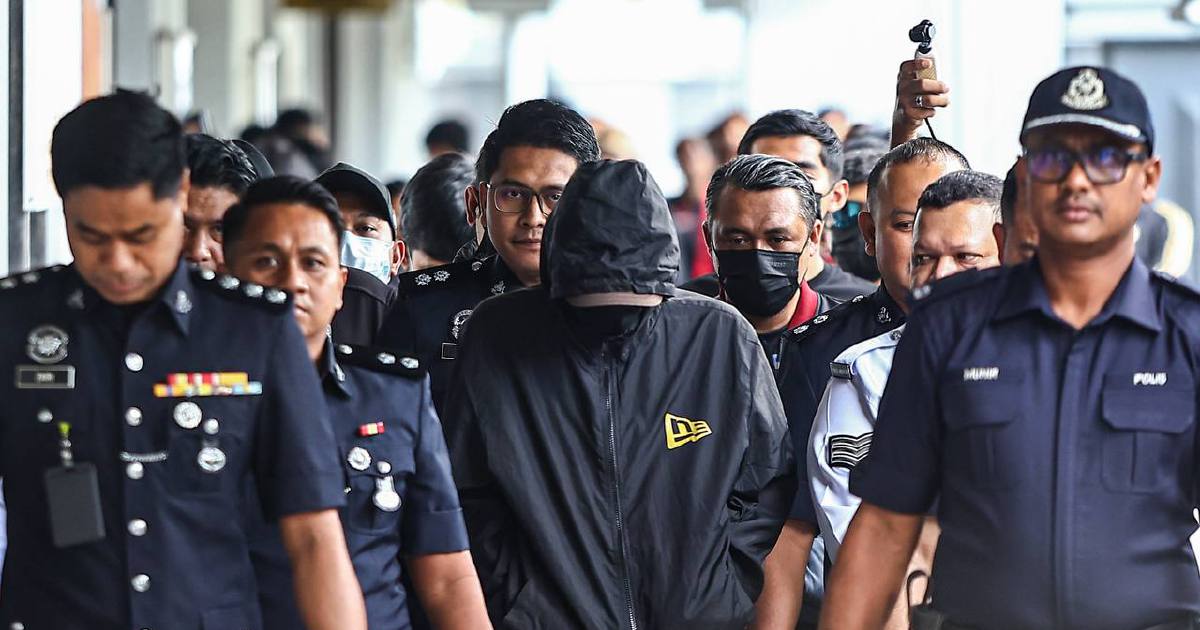
A driver employed by the Immigration Department appeared in court today to face five charges stemming from a tragic collision at the Maju Junction intersection that resulted in the deaths of three family members yesterday. The accident has reignited concerns about road safety at one of the capital's busiest intersections, particularly regarding the conduct of heavy vehicle operators navigating through high-traffic corridors during peak hours.
The defendant, who operates an Immigration Department lorry, entered a plea to all charges at the magistrates' court in Kuala Lumpur. The most serious allegations against him relate to three separate counts of causing death through reckless or dangerous driving—a charge that carries severe penalties under Malaysian traffic laws. Beyond these fatal collision charges, prosecutors brought two additional counts that remain under investigation, though the exact nature of these charges was not disclosed during the court proceedings.
Accidents involving government vehicles, particularly those operated by federal agencies, typically attract heightened public scrutiny in Malaysia. The Immigration Department's presence on public roads is substantial, with its fleet engaged in regular transportation duties across the country. This incident underscores the critical importance of ensuring that all government drivers, regardless of their employing department, undergo rigorous safety training and adhere strictly to traffic regulations. The crash has prompted questions about whether departmental driving standards are being consistently enforced and monitored.
The Maju Junction intersection has long been identified as a problematic traffic hotspot within the Klang Valley. The convergence of multiple expressways and major arterial roads creates complex traffic patterns that demand careful navigation, particularly for large vehicles with reduced manoeuvrability. Accidents at this location have been attributed to various factors including excessive speed, inadequate braking distance, sudden lane changes, and driver inattention. The fatal nature of this latest incident highlights how even momentary lapses in concentration can have catastrophic consequences at such intersections.
Family members of the deceased are likely facing profound grief and loss, with the tragedy raising broader questions about accountability in cases involving negligent or reckless driving. Under Malaysian law, charges relating to death caused by dangerous driving can result in imprisonment and substantial fines, though maximum sentences vary based on whether the conduct is deemed reckless or merely negligent. The severity of these charges reflects the gravity with which the judiciary treats fatal road collisions.
Investigations into the precise circumstances of the collision would have involved examining multiple factors: vehicle speed at the moment of impact, visibility conditions, weather circumstances, road surface conditions, and whether the driver was distracted or impaired. Forensic analysis of the vehicle's braking systems and damage patterns typically helps accident reconstructionists determine the sequence of events leading to the crash. Such detailed investigation is essential not only for the purposes of criminal prosecution but also for identifying systemic safety issues that might be addressed through infrastructure improvements or regulatory changes.
For the Immigration Department, this incident presents a significant challenge to its institutional reputation and raises questions about fleet management practices. Government agencies in Malaysia are increasingly expected to model exemplary conduct, including adherence to traffic safety standards. The department may face internal investigations and potential policy reviews regarding driver screening, training requirements, and on-road monitoring practices. This could prompt broader reviews across other government departments with substantial vehicle fleets.
The case will likely proceed through Malaysia's court system over coming months, with further details emerging during trial proceedings. Witness testimony, vehicle data, and expert accident reconstruction evidence will be presented to establish the driver's culpability. The outcome of this trial may set precedents for similar cases involving government employees involved in fatal traffic accidents, influencing how such incidents are prosecuted in future.
Road safety remains a persistent challenge in Malaysia, with fatal accident rates on urban highways remaining stubbornly high despite ongoing efforts by the government and various road safety organisations. The incident at Maju Junction serves as a sobering reminder of the deadly consequences that can result from momentary lapses in driver responsibility. Beyond the criminal proceedings, the tragedy has sparked renewed calls for enhanced traffic enforcement, improved driver education, and investment in infrastructure improvements at notorious accident hotspots throughout the Klang Valley and other major urban centres.

