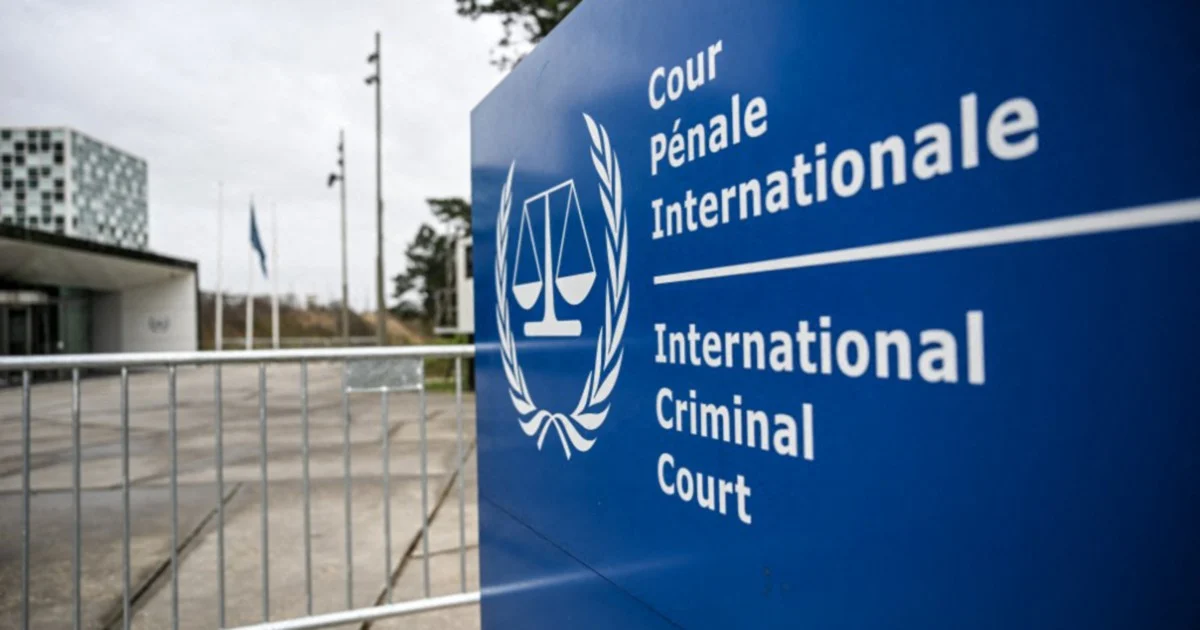
Three judges serving the International Criminal Court have launched a legal challenge in United States federal courts against President Donald Trump and other high-ranking administration officials, contesting the validity of sanctions measures directed at them. The lawsuit, filed on Wednesday, represents an unprecedented clash between an international judicial institution and the US government over the exercise of unilateral economic penalties.
The judges contend that the sanctions regime targeting them violates fundamental principles of international law and constitutes an abuse of executive authority. Their legal action underscores mounting tensions between Washington and The Hague-based court, particularly following American threats of punitive action against ICC officials investigating matters the United States views as within its sovereign jurisdiction.
The characterisation of the sanctions as "draconian" reflects the judges' assessment that the measures go far beyond customary diplomatic pressure. Such designations typically involve asset freezes, travel bans, and restrictions on financial transactions, effectively isolating individuals from global financial systems. For judges bound by impartiality requirements, such measures strike at the heart of their professional capacity and independence.
For Malaysian and Southeast Asian observers, this development carries significant implications. The region has growing stakes in international criminal justice mechanisms, particularly as the ICC continues investigating situations across multiple continents. The precedent established through this litigation could influence how nations in the region interact with international courts and whether they choose to strengthen or distance themselves from such institutions.
The Trump administration's approach to ICC sanctions reflects a longstanding American ambivalence toward international courts that lack US veto power. The US remains one of the few major nations not party to the ICC's founding Rome Statute, having withdrawn its signature in 2002. This legal action by ICC judges thus becomes a test of whether international judicial independence can withstand pressure from powerful states that operate outside formal ICC frameworks.
The complaint raises constitutional questions about the executive's authority to unilaterally impose sanctions on foreign officials without congressional involvement or judicial review. The judges argue that existing statutory authorities do not clearly authorise such measures against international court personnel, particularly when such actions ostensibly target judicial officials performing official duties. This argument challenges the breadth of presidential power that successive administrations have claimed in foreign policy contexts.
The legal proceedings occur amid broader questions about the ICC's legitimacy and effectiveness. Critics argue the court has concentrated its prosecutorial focus on Africa while maintaining deference toward powerful Western nations. Conversely, supporters contend the court serves as an essential mechanism for accountability when domestic systems fail. The judges' lawsuit introduces yet another dimension to these debates by forcing American courts to examine the propriety of sanctions against international judicial actors.
For countries throughout Southeast Asia, the outcome carries practical weight. Many face domestic pressures regarding accountability for alleged atrocities or crimes against humanity. The fate of the judges' legal challenge may influence whether aspiring international courts gain legitimacy as neutral arbiters or become perceived as extensions of great power politics. Malaysia, which has ratified the Rome Statute, has particular interest in whether international judicial independence can survive state-level retaliation.
The lawsuit also highlights the fragility of institutional autonomy in an era of great power competition. International courts depend on member state cooperation for enforcement and on international legitimacy for authority. When powerful nations begin directly challenging judicial independence through economic sanctions, they implicitly assert that no institution lies beyond their reach. This assertion carries consequences for the architecture of global governance that countries throughout this region depend upon.
The judges' decision to pursue litigation in American courts rather than through ICC channels or diplomatic routes suggests confidence that US constitutional protections for due process and judicial independence might provide more reliable recourse than international mechanisms. This choice itself reflects cynicism about international institutional responses to great power pressure.
The case will likely consume years of litigation before reaching substantive resolution. In the interim, it functions as a public debate about the proper scope of executive power, the status of international judicial institutions, and the degree to which states may instrumentalise economic sanctions against individuals performing official duties. The outcome will establish precedent not merely for these three judges but for anyone engaged in international judicial or investigative work who may face similar measures from any government.
Ultimately, this lawsuit represents a critical inflection point for international criminal justice. Should the judges prevail, they would establish meaningful legal constraints on executive sanctions against international officials. Should they lose, they would signal that even international judges lack effective protection against powerful states intent on undermining institutions they perceive as threatening. For Malaysia and the broader region, the verdict will illuminate whether international law genuinely constrains state behaviour or merely provides a language through which states exercise preexisting power.

