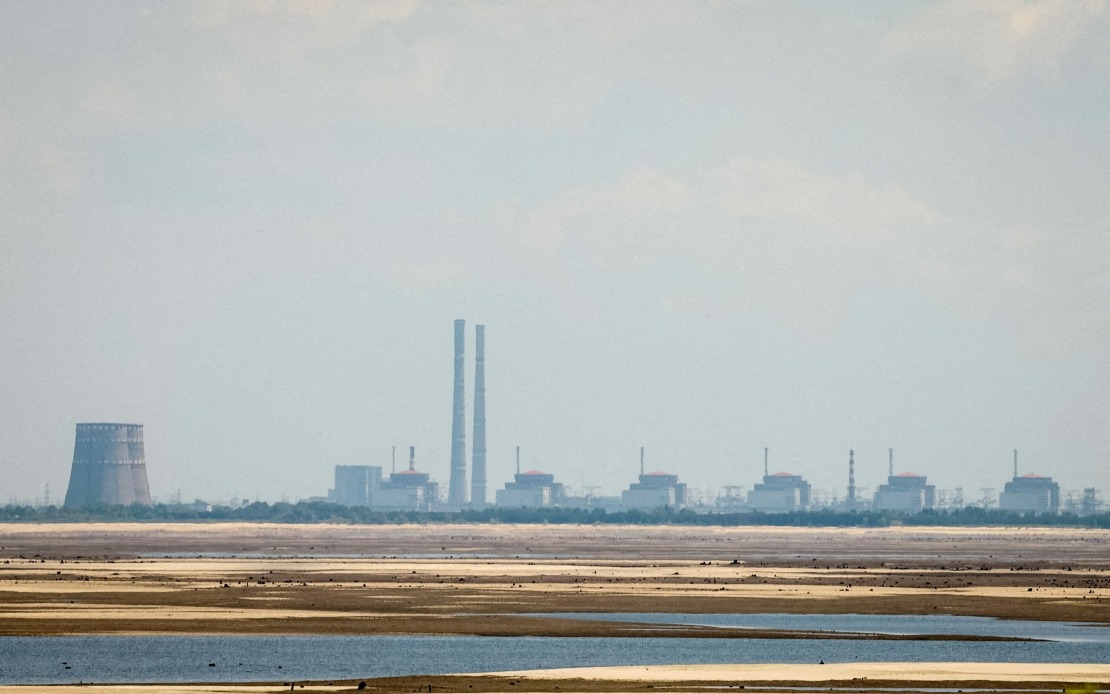
The International Atomic Energy Agency has sounded an urgent alarm over deteriorating conditions at the Zaporizhzhia Nuclear Power Plant, after the facility experienced its 21st loss of external power supply since Russia's invasion of Ukraine escalated. The latest disruption occurred when the plant lost connection to the 330 kV Ferosplavna-1 transmission line on Friday, prompting immediate activation of backup safety systems and renewing concerns about the vulnerability of one of Europe's most significant nuclear installations.
The outage resulted from military operations triggering protective systems along transmission lines that connect the plant to the Ferosplavna-1 line, according to IAEA officials stationed on-site. When external power vanished, the facility's emergency diesel generators automatically engaged to supply electricity for critical cooling systems and other essential nuclear safety infrastructure, preventing an immediate crisis but underscoring the precarious balance upon which the plant's safety now depends.
IAEA Director General Rafael Grossi characterised the situation in stark terms, emphasising that the repeated power losses demonstrate the "extreme fragility" of nuclear safety at Zaporizhzhia and underscoring the absolute necessity for military restraint in the vicinity. His statement reflects growing international concern that the ongoing conflict threatens not merely Ukraine's energy infrastructure but poses potential risks with far-reaching implications across Eastern Europe and beyond.
For Southeast Asian observers monitoring global nuclear safety standards, the Zaporizhzhia crisis offers sobering lessons about the intersection of armed conflict and atomic energy management. The region's own nuclear ambitions—with Vietnam, Thailand, and Indonesia at various stages of exploring peaceful nuclear technology—make the Ukrainian situation particularly instructive. The inability of warring parties to guarantee the security of a major nuclear facility demonstrates how geopolitical tensions can rapidly overwhelm the technical protocols and international safeguards designed to prevent catastrophic accidents.
Zaporizhzhia's predicament is not merely a Ukrainian or European problem. The plant generates approximately 20 percent of Ukraine's electricity under normal circumstances, making its operational status crucial for regional energy stability. However, the recurrent power losses represent something far more consequential: a demonstration of how military conflict can systematically degrade the physical and operational infrastructure upon which nuclear safety mechanisms depend. Each outage, though managed successfully thus far by backup systems, represents a scenario where human error, equipment failure, or equipment exhaustion could trigger a genuine emergency.
The frequency of disruptions—21 incidents in little over a year—indicates a pattern rather than isolated incident. This regularity suggests that military operations near electrical infrastructure are becoming routine rather than exceptional, creating a sustained environment of risk rather than episodic danger. The transmission lines linking Zaporizhzhia to the broader Ukrainian electrical grid have become effectively contested terrain, with protective systems activating repeatedly in response to military activity. This normalisation of crisis-management protocols at a nuclear facility is fundamentally unsustainable from a safety engineering perspective.
Backup diesel generators, while essential emergency systems, cannot serve as indefinite replacements for grid power. These systems require regular maintenance, fuel supplies that must navigate conflict zones, and operator attention under deteriorating conditions. Extended reliance on emergency power generation increases mechanical wear, reduces maintenance flexibility, and creates scheduling pressures that can compromise safety protocols. The IAEA's positioning of international observers at the plant reflects recognition that external oversight and documentation are necessary given the inherent risks of maintaining nuclear operations amid active conflict.
The broader implications extend to international nuclear governance structures. The IAEA's mandate to ensure peaceful uses of nuclear technology and prevent proliferation presupposes a baseline level of state stability and commitment to safety protocols. When a major nuclear facility operates in an active war zone beyond the control of either belligerent, traditional safeguards mechanisms face unprecedented challenges. This situation has prompted discussions about potential international custodianship models and enhanced protocols for nuclear facilities in conflict-affected regions—discussions that may inform future frameworks for nuclear security in volatile areas globally.
For Malaysian policymakers and the broader Southeast Asian community, the Zaporizhzhia experience underscores the non-negotiable requirement that any commitment to nuclear energy development must occur within frameworks guaranteeing political stability, robust governance, and genuine regional security cooperation. The technical capacity to operate nuclear plants safely is a necessary but insufficient condition; equally essential are the political and security environments that allow technical systems to function without external military interference.
The situation also illuminates the interdependence between nuclear safety and broader geopolitical stability. Zaporizhzhia's troubles stem not from internal management failures or technical design flaws but from external military factors entirely beyond plant operators' control. This vulnerability has prompted the IAEA to advocate more forcefully for demilitarised zones around nuclear facilities and stronger international agreements protecting critical energy infrastructure. Such frameworks, if established, could provide important precedents for protecting nuclear facilities in regions prone to conflict or instability.
Looking forward, the Zaporizhzhia crisis will likely become a reference point in nuclear security discussions for years. It demonstrates vividly that modern nuclear safety depends on assumptions about the surrounding security environment that cannot be taken for granted. As more nations in Asia and beyond consider nuclear power as part of their energy transition strategies, the Ukrainian experience provides invaluable—if sobering—lessons about the comprehensive governance structures necessary to operate such facilities responsibly.

