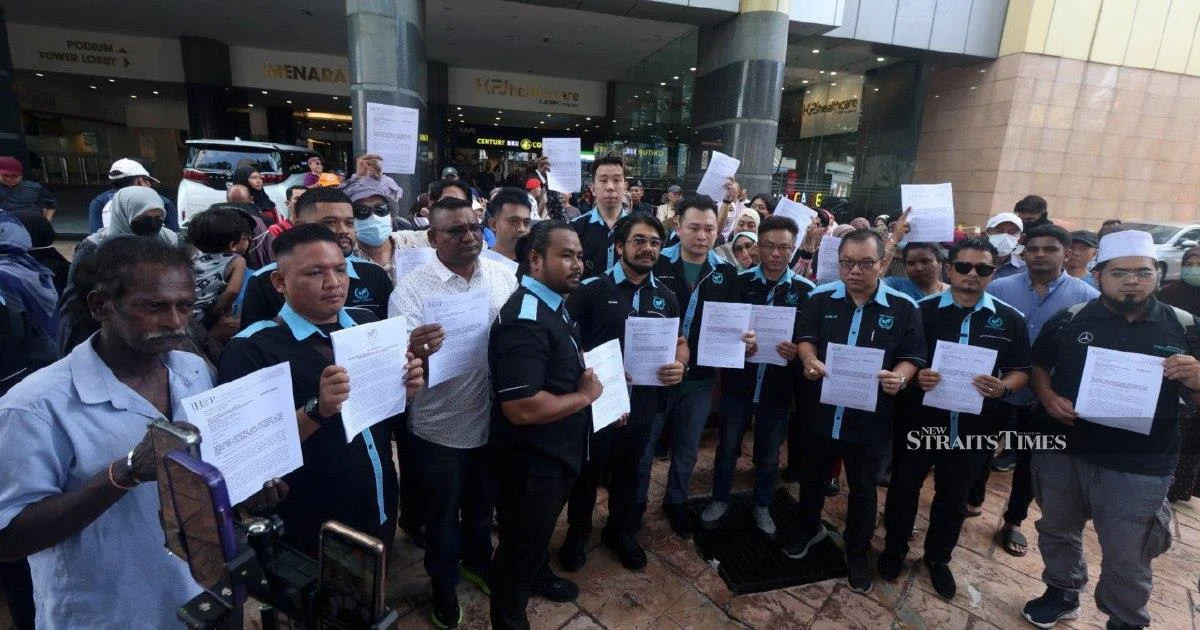
More than 100 victims of investment fraud gathered in Kuala Lumpur today to demand that police accelerate inquiries into 18 companies and investment platforms believed to be operating as part of organised deception networks. The Malaysia International Humanitarian Organisation facilitated the assembly, amplifying calls for law enforcement to prioritise cases that have left ordinary Malaysians significantly out of pocket.
The convergence of such a large group of affected individuals underscores the scale of investment-related fraud affecting the country. Victims often report losing substantial sums after being attracted by promises of unusually high returns, personalised investment advice from supposed professionals, and false credentials. The co-ordinated nature of these operations suggests a troubling level of sophistication in how fraud networks operate across digital and conventional channels, making detection and prosecution substantially more complex than isolated schemes.
Delegates at today's gathering emphasised frustration with the pace of current investigations. When fraud cases involve multiple victims spread across different locations and involving numerous platforms or shell companies, police investigations frequently become protracted. The 18 entities in question likely operate through interconnected networks, transferring funds across jurisdictions and using layered corporate structures to obscure ownership and obscure the flow of illicit proceeds. This complexity, while challenging for investigators, is precisely what organised fraud syndicates exploit to maintain operations and evade accountability.
The MHO's decision to publicly convene victims reflects a broader trend of civil society organisations stepping in to fill perceived gaps in victim support and advocacy. Rather than remaining isolated, defrauded investors increasingly recognise strength in collective action. When authorities hear directly from dozens of affected people simultaneously, the message regarding urgency becomes harder to ignore. This public pressure mechanism is particularly important in jurisdictions where resources for financial crime investigations can be stretched thin across competing priorities.
Investment fraud in Malaysia has evolved considerably over recent years. Earlier schemes often targeted retirees and older citizens through conventional channels, but contemporary operations increasingly exploit social media, messaging applications, and cryptocurrency platforms to reach younger, digitally connected demographics. Fraudsters conduct sophisticated psychological manipulation, building false relationships and trust over weeks or months before requesting investments. The emotional investment victims develop in these manufactured connections often prevents them from reporting losses immediately, allowing perpetrators to extend their operations further.
The 18 companies and platforms in question appear to represent a broader ecosystem rather than isolated bad actors. Financial crime authorities across Southeast Asia have noted how fraud networks increasingly operate as franchises, with the same basic methodology replicated across multiple entities and jurisdictions. Operators employ regional networks of recruiters who identify and groom potential victims within their communities, lending credibility through personal connections. Money then flows through complex channels involving multiple banks, cryptocurrency exchanges, and remittance services, making asset recovery extremely difficult once schemes collapse.
Accelerated investigations demand adequate resourcing of specialised units within law enforcement. Financial crime investigation requires investigators with expertise in forensic accounting, digital evidence collection, and international financial flows. Malaysia's Commercial Crime Investigation Department and other relevant agencies have expanded their capabilities in recent years, but demand continues to outpace capacity. Cases involving 18 distinct entities and hundreds of victims require sustained investigative effort over many months, consuming resources that could alternatively be deployed elsewhere.
The absence of swift police action creates a secondary harm beyond direct financial loss. Perpetrators who face protracted investigations or weak enforcement perceive reduced consequences, emboldening continued operations. News of sluggish cases circulates through victim networks and broader public discourse, potentially discouraging future victims from reporting losses or co-operating with authorities. This erosion of confidence in the justice system ultimately weakens the collective capacity to combat organised fraud.
Beyond police action, victims have increasingly called for stronger preventive mechanisms. Banks and investment platforms bear responsibility for implementing more rigorous customer verification, detecting suspicious transfer patterns, and freezing accounts when fraud indicators appear. Regulatory bodies overseeing financial institutions must establish clearer accountability standards. Public education campaigns warning about common fraud tactics, encouraging verification of credentials through official channels, and promoting scepticism toward unsolicited investment offers remain underfunded relative to their potential impact.
The coordination evidenced by today's gathering suggests victims are becoming more organised and assertive. Malaysian civil society possesses growing expertise in financial crime victimology and advocacy. As affected groups continue mobilising, they generate political pressure on both enforcement agencies and policymakers to prioritise financial crime investigation and prosecution. This grassroots momentum often achieves what individual complaints cannot accomplish, transforming scattered cases into visible public concerns demanding policy response.
The challenge ahead extends beyond simply accelerating the 18 ongoing investigations. Authorities must simultaneously interrupt the broader ecosystem enabling these schemes to flourish. This requires cross-border cooperation, since fraudsters routinely route money through multiple jurisdictions and operate from locations beyond Malaysia's direct enforcement reach. Regional coordination with police forces in neighbouring countries becomes essential. Additionally, international liaison with banking regulators and cryptocurrency exchange operators can help freeze assets and prevent perpetrators from relocating proceeds across borders.
Authorities have indicated commitment to intensifying efforts against financial crime networks. These statements now require translation into visible investigative progress, asset freezes, arrests, and prosecutions. Victims gathered today represent merely the detected portion of investment fraud victims; numerous others have not yet reported losses or recognised they have been deceived. Each month of delay allows perpetrators to defraud additional people and transfer assets beyond reach, multiplying the ultimate damage and cost to society.