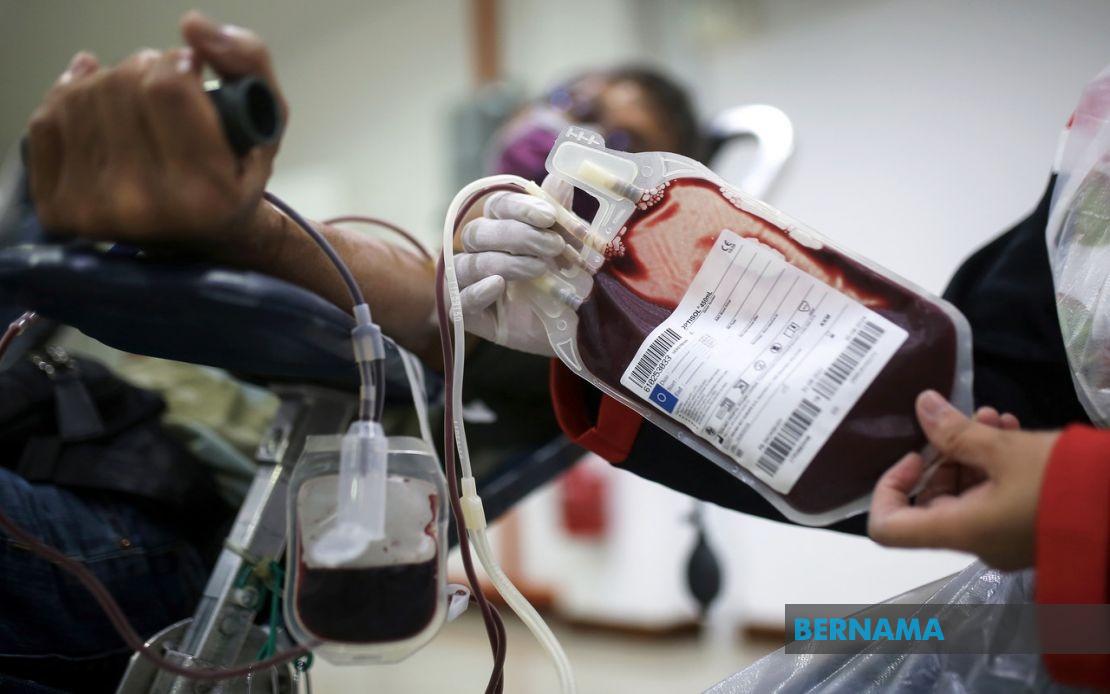
Hospital Sultanah Aminah (HSA) in Johor Bahru has urgently appealed for blood donors of types O and AB as the facility faces depleted supplies of both blood groups. The hospital's Transfusion Medicine Department issued the call through social media, signalling that current reserves have fallen below optimal operational levels and threatening the hospital's ability to respond to emergency medical situations and routine surgical procedures.
Blood shortages at major healthcare facilities represent a persistent challenge across Malaysia, particularly in states like Johor that serve large populations and handle complex medical cases. Type O blood, classified as the universal donor, remains consistently in high demand because it can be transfused to patients of any blood group in emergency situations when donor typing cannot be delayed. Type AB blood, conversely, is rarest among the population yet critically needed for AB patients who cannot receive other types, making both groups essential to maintaining adequate transfusion services.
The hospital has directed potential donors to consult the Johor Bahru Blood Donation Campaign Schedule page for convenient locations and timings, recognising that accessibility is a key factor in encouraging voluntary donations. Prospective donors can identify nearby collection points rather than making unnecessary trips to the main hospital facility, a strategy designed to remove logistical barriers that often deter otherwise willing contributors.
A series of coordinated blood donation drives has been organised throughout the weekend to maximise collection efforts. The Johor Blood Donation Centre at Mid Valley Southkey is operating from today through Sunday between 10 am and 6.30 pm, providing an extended window that accommodates both working professionals and those with flexible schedules. This location's extended hours reflect the urgency of the situation and the hospital's determination to capture every potential donor.
Simultaneously, AEON Mall Bukit Indah is hosting collection sessions today, Saturday, and Sunday from 10 am to 3 pm, leveraging the high foot traffic at commercial shopping precincts to reach donors who might not otherwise visit dedicated medical facilities. This approach recognises modern Malaysian lifestyle patterns where many residents spend time at shopping centres during weekends, presenting an opportunity to integrate blood donation into routine activities without requiring special trips.
The HSA Blood Donation Centre itself is accepting donors today and tomorrow from 8 am to 4.30 pm, maintaining the hospital's own collection infrastructure as a primary resource. Having the main facility open during these extended hours ensures that staff members and others in the immediate vicinity can contribute without disrupting normal hospital operations.
Voluntary blood donation systems across Southeast Asia depend almost entirely on regular community participation, as paid donation models raise safety and ethical concerns. Malaysia's reliance on altruistic donors means that public appeals like this one are integral to maintaining adequate blood supplies for the healthcare system. When hospitals must issue urgent calls, it typically indicates that routine donation rates have fallen below forecasted demand, a situation that can arise from seasonal variations, competing health campaigns, or simply the natural ebb and flow of donor participation.
The concentration on O and AB blood types in this particular appeal suggests that HSA's inventory management systems have identified these specific groups as creating bottlenecks in transfusion capability. While A and B blood types may be adequately stocked, the shortage of O and AB creates operational constraints because transfusion protocols cannot substitute unavailable types with others in most clinical scenarios.
For potential donors in Johor, meeting the basic health and eligibility criteria is essential for making a contribution. The blood collection centres conducting these drives can assess donor suitability, ensuring that collected blood meets safety standards for patient recipients. Donors typically need to be aged between 18 and 65, weigh at least 45 kilogrammes, and be in good general health, though specific requirements may vary slightly between collection centres.
The situation at HSA reflects broader challenges facing Malaysia's blood transfusion services, where demographic changes and increasing surgical and medical demands place growing pressure on supply networks. Public awareness campaigns and convenient collection opportunities remain the most effective strategies for maintaining adequate stocks, particularly given the shelf life limitations of blood products that require regular replenishment.
For residents of Johor Bahru and surrounding areas, the hospital's appeal represents a direct call to action that can have immediate, life-saving consequences. Blood collected during these weekend drives will directly support trauma cases, surgical patients, and those with chronic conditions requiring regular transfusions. The multiple venues and extended hours are explicitly designed to remove excuses and maximise participation rates during this critical period of shortage.

