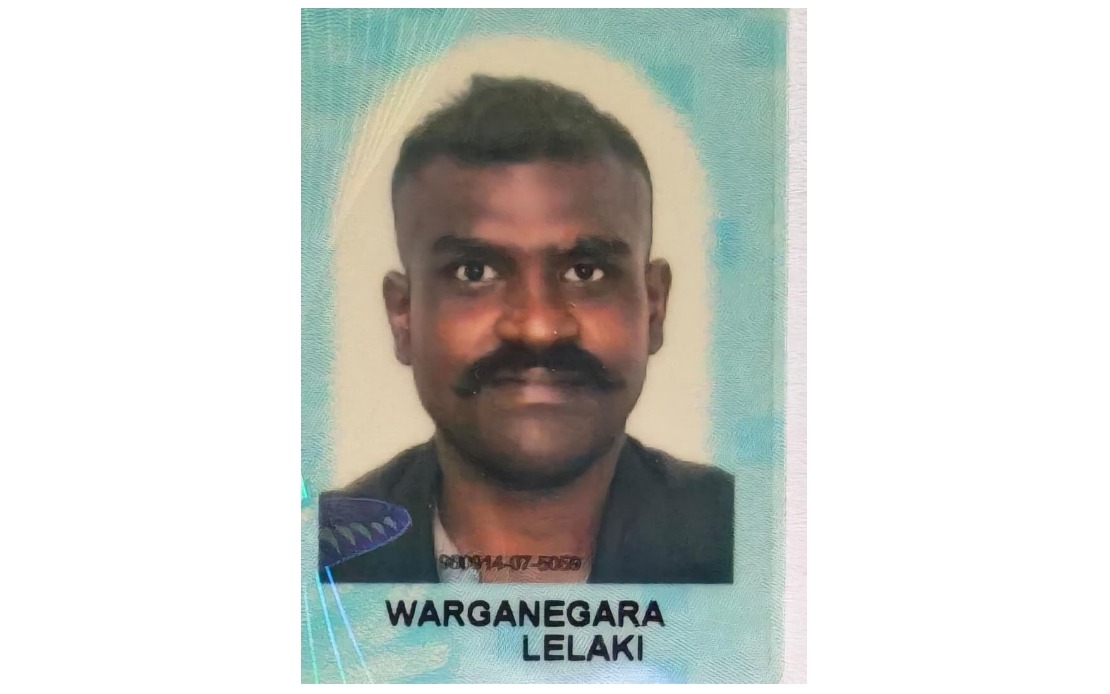
Sungai Bakap Hospital in Nibong Tebal has launched a public appeal to locate the family or next of kin of a 29-year-old man who passed away on August 10 after receiving extended medical treatment at the facility. The case has highlighted the tragic circumstances facing vulnerable individuals with no apparent family support network, and raises questions about social welfare provision for the homeless population in Malaysia.
M. Balakrishnan, who was homeless at the time of his death, had been a patient at the hospital since late May, when he was transferred from Bukit Mertajam Hospital. According to the hospital's statement, Balakrishnan succumbed to severe sepsis complicated by multi-organ failure at 6.53 pm in Ward 3. His body remains in the hospital's Forensic Medicine Unit pending identification and arrangement of final rites.
The circumstances surrounding Balakrishnan's admission paint a picture of social marginalisation. He had initially been hospitalised at Bukit Mertajam but was transferred to Sungai Bakap Hospital on May 27 as arrangements were being made for placement in a care centre operated by the Social Welfare Department, commonly known as JKM. Yet despite more than two months of hospital care, no family member or acquaintance visited him, suggesting either a complete absence of familial ties or a failure to locate his relatives.
Hospital authorities have exhausted multiple avenues in their attempt to trace Balakrishnan's family. Officers contacted the National Registration Department, which provided what it believed to be his last known address: a residence in Taman Segar, Kampung Baru Subang in Selangor. However, when police visited the premises at No. 19, Jalan Sungai Buloh, they discovered that the occupants were a Malay family with no connection to Balakrishnan or knowledge of his whereabouts or relatives.
The case underscores a broader challenge within Malaysia's social safety net. Homeless individuals often lack the documentation, fixed addresses, or family connections that enable institutions to quickly identify next of kin when medical emergencies arise. The fact that Balakrishnan was homeless when transferred to hospital suggests he may have been living rough in the Penang area, with no obvious social ties that hospital staff could leverage to contact family members.
The hospital's decision to appeal publicly reflects the standard procedure when institutional tracing mechanisms fail. By publishing details of the deceased and soliciting community assistance, health authorities hope that someone in the broader public—whether a former neighbour, colleague, or acquaintance—might recognise Balakrishnan's name and provide leads to his family. Such appeals are not uncommon in Malaysia, where demographic mobility and family separation sometimes result in individuals becoming isolated from their support networks.
The case also raises practical considerations about burial and funeral arrangements. In Malaysia's multicultural context, determining an individual's religious affiliation is essential for ensuring that final rites are conducted according to appropriate customs and beliefs. Without family members to provide this information, hospitals and authorities must sometimes make reasonable inferences based on available records or names, though this process can introduce complications.
From a healthcare perspective, Balakrishnan's three-month hospitalisation while awaiting placement in a JKM care facility highlights potential bottlenecks in the coordination between medical institutions and social welfare agencies. Extended hospital stays for patients without acute medical needs can strain resources and divert capacity from other patients requiring intensive treatment. The case suggests that improving communication and accelerating placement processes between hospitals and the Social Welfare Department could benefit both institutional efficiency and patient outcomes.
The public appeal now rests with the community. Hospital authorities are calling on anyone with information about Balakrishnan's family connections, previous residence, employment history, or social circles to come forward. Even tangential connections—names of friends, details of past workplaces, or information about any organisations or religious institutions he may have been affiliated with—could provide crucial leads for investigators.
For Malaysian readers, this case serves as a sobering reminder of the vulnerability of homeless and socially isolated individuals within the healthcare system. It also illustrates the broader structural challenges facing vulnerable populations who lack stable housing, family support, or documented identity. While Malaysia has made progress in formalising social welfare systems, gaps remain in identifying and assisting individuals who fall outside conventional support networks.

