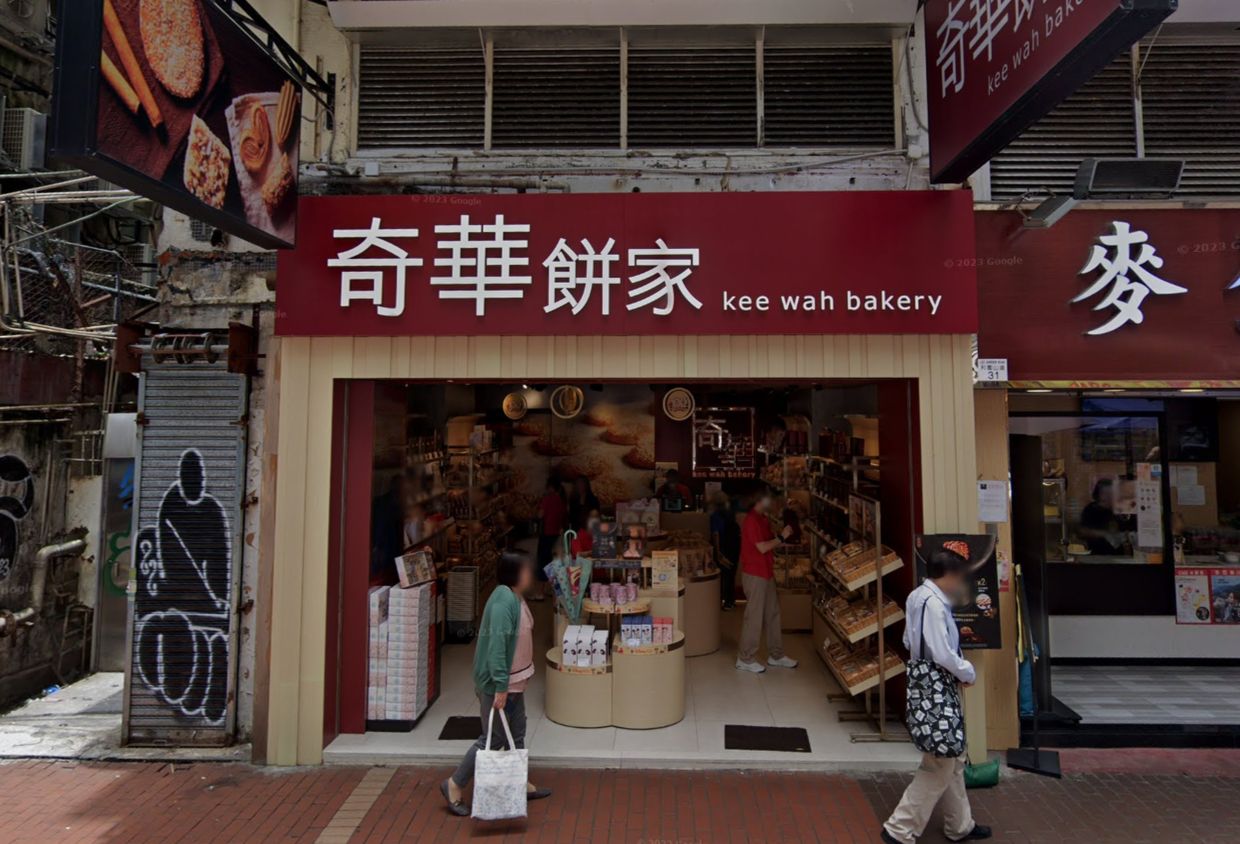
Hong Kong's storied Kee Wah Bakery has become the latest victim of a significant cybersecurity breach, revealing that a ransomware attack compromised its internal network infrastructure and potentially exposed sensitive personal information belonging to thousands of employees, customers, and business partners. The incident, which first manifested as a network malfunction on Friday of last week, was only publicly disclosed on Tuesday following an investigation that confirmed the nature of the intrusion.
The bakery, celebrated throughout the region for its traditional local and Chinese pastries and established in 1938, maintains a production facility in Tai Po that supplies its retail outlets and online platforms. According to the company's statement, the compromised systems housed a breadth of sensitive data spanning multiple stakeholder groups, including staff personal information, details about commercial partners, records of customers who have purchased through its online store, and registration information from users of its mobile application. Despite this broad exposure risk, Kee Wah has acknowledged that a full assessment of what information may have been extracted remains incomplete.
The preliminary nature of the company's findings reflects the complexity of modern ransomware investigations, which typically require days or weeks to fully scope. Security specialists must trace the attacker's path through networks, identify which databases or file repositories were accessed, and determine whether data was merely viewed or actually exfiltrated before encryption began. In Kee Wah's case, this uncertainty appears deliberate—ransomware operators frequently hold organisations in suspense about data extraction as part of their extortion strategy, threatening to release or sell stolen information if ransom demands are not met.
The bakery's immediate response included engaging external cybersecurity experts to contain the intrusion, prevent further penetration, and undertake system repairs and hardening. The company has also begun the laborious process of notifying affected parties, reaching out directly to employees, impacted customers, and suppliers to alert them of the incident and recommend precautionary measures they should adopt. This notification effort carries both legal and reputational significance—Hong Kong's privacy regime, enforced by the Office of the Privacy Commissioner for Personal Data, increasingly requires businesses to demonstrate good faith transparency when breaches occur.
One element of the breach that carried slightly better news was the company's confirmation that payment card data and customer financial information were not stored on the compromised systems. This separation of sensitive financial records from general network infrastructure represents a recognised security best practice, though it does little to diminish the vulnerability of the remaining data categories. Personal identification details, contact information, and account credentials remain valuable commodities in the criminal underground, where they command prices based on volume and freshness.
Kee Wah notified both the privacy regulator and Hong Kong police on Sunday, fulfilling its legal obligations under local data protection legislation. The regulatory response came swiftly, with the privacy commissioner's office requesting comprehensive details about the incident by Tuesday evening. Authorities will seek clarity on the precise number of individuals affected by the breach, the specific categories of personal data that may have been compromised, and the company's timeline for completing its forensic investigation. Such information is critical for regulators assessing both the severity of the incident and the adequacy of the organisation's response.
The bakery has committed to implementing comprehensive upgrades to its cybersecurity infrastructure, promising to conduct a thorough review of existing security measures in consultation with its retained experts. This remediation phase typically involves assessing vulnerabilities that enabled the initial intrusion, whether through unpatched software, weak password policies, insufficient network segmentation, or employee susceptibility to phishing attacks. For a company of Kee Wah's vintage and regional prominence, such comprehensive reviews often reveal legacy systems and outdated practices that modern threat actors can exploit with relative ease.
From a regional perspective, this incident underscores how the ransomware threat has evolved beyond targeting purely technology-focused enterprises. Service businesses, particularly those with established customer bases and valuable transaction histories, have increasingly become attractive targets. The pastry and food retail sector operates on thin margins and typically lacks the security infrastructure of larger corporations, making it an intermediate target—lucrative enough to justify attack resources but less defended than major financial institutions or government agencies.
For Malaysian readers, the Kee Wah breach offers several cautionary lessons. First, customer data exposure is not limited to Malaysian companies; regional cross-border retail operations and supply chains mean that Malaysian consumers banking with Hong Kong retailers or purchasing through regional platforms may themselves be affected by foreign data breaches. Second, the incident highlights why Malaysians should follow the privacy watchdog's recommended precautions of monitoring for suspicious communications, changing passwords for important accounts, and remaining sceptical of unexpected contact requests claiming to verify personal information.
The breach also reflects a broader vulnerability affecting Southeast Asian retailers and service businesses. Many operate with security postures calibrated to historical threat levels rather than current realities. The ransomware ecosystem has matured considerably, with attack-as-a-service models enabling less technically sophisticated criminals to launch professional operations. Companies in Malaysia, Singapore, Thailand, and Vietnam that maintain customer databases would be wise to conduct urgent assessments of their own network security and incident response capabilities before they become victims themselves.
Cyber insurance and incident response planning remain underdeveloped in much of Southeast Asia's retail sector. Kee Wah's relatively transparent public communication, while legally mandated, reflects lessons learned across Hong Kong's business community from previous incidents. Malaysian businesses should consider whether they would be equally prepared to manage the operational, legal, and reputational fallout of a comparable breach. The cost of remediation, notification, potential regulatory penalties, and customer churn often far exceeds the ransom demand itself.