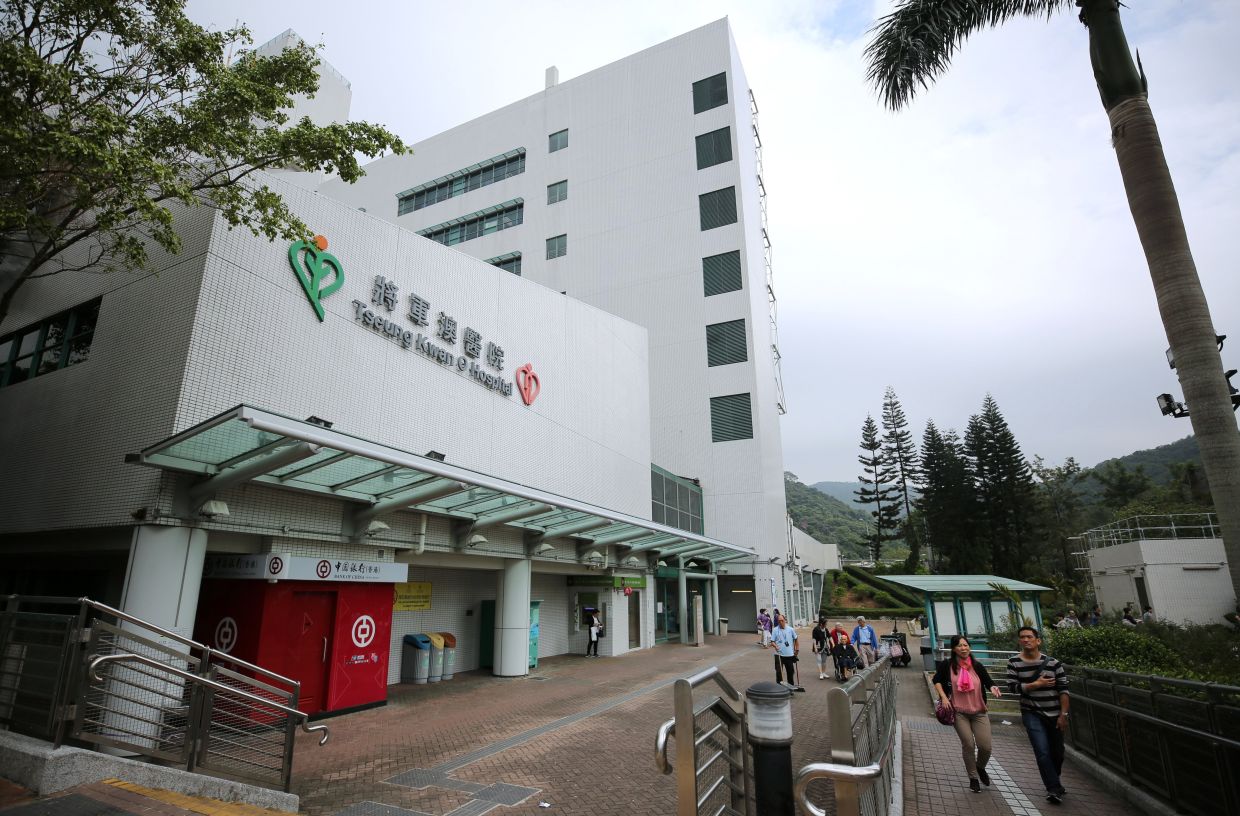
Tseung Kwan O Hospital in Hong Kong has released findings from an investigation into a surgical catastrophe that claimed the life of an 85-year-old patient, with hospital authorities concluding that the surgeon involved had fallen victim to "confirmation bias" when identifying anatomical structures within the abdominal cavity. The February 7 incident, which resulted in the woman's death on March 3, represents a stark reminder of how clinical decision-making can unravel despite stable vital signs and routine monitoring, raising serious questions about accountability and systemic safeguards in one of Asia's leading medical centres.
The elderly woman had been admitted to hospital with obstructive sigmoid colon cancer and required a transverse colostomy—a surgical procedure designed to create a stoma, or opening, in the abdomen to relieve intestinal blockage. The operation initially appeared successful, with the patient's vital signs remaining stable during the immediate post-operative period. However, medical staff observed abnormally high output from the newly created stoma, a warning sign that should have triggered immediate reassessment but which appears to have been inadequately monitored given subsequent events.
Three weeks after the procedure, the patient's condition deteriorated sharply. On March 1, she developed hypotension and tachycardia—low blood pressure and elevated heart rate—prompting her transfer back to Tseung Kwan O Hospital from Haven of Hope Hospital, where she had been recovering. A computerized axial tomography scan conducted upon readmission revealed the catastrophic error: the stoma had been created in the stomach rather than the transverse colon, meaning the surgeon had operated on the wrong organ entirely. Despite emergency intervention attempts, her condition spiralled and she died two days later on March 3 after her family consented to a do-not-attempt-resuscitation order.
The hospital's detailed cause analysis identifies confirmation bias as the principal cognitive failing that precipitated the surgical error. This psychological phenomenon, wherein individuals unconsciously seek information that confirms their initial assumptions while disregarding contradictory evidence, appears to have led the surgeon to misidentify stomach tissue as colonic tissue during the procedure. Critically, the surgeon failed to implement additional confirmation measures—such as intraoperative imaging, anatomical landmarks verification, or consultation with colleagues—that would have caught this fundamental mistake before completing the surgery.
Beyond the surgeon's individual error, the inquiry uncovered a cascade of systemic failures that compounded the tragedy. Post-operative monitoring proved inadequate, with healthcare staff failing to respond appropriately to the unusually high stomal output, which should have prompted immediate investigation. The medical team caring for the patient lacked sufficient experience in managing complications of this nature, and communication between the surgical team and rehabilitation staff broke down, delaying critical reassessment and intervention once the patient had been transferred to another facility.
The hospital's investigation panel issued multiple recommendations aimed at preventing similar incidents in future. These include comprehensive review of clinical governance within the surgery department, mandatory involvement of the surgical team in ongoing patient management even after transfer to other wards or facilities, and the requirement that stoma and wound care specialists conduct systematic post-operative assessments with proper documentation and timely reporting of any concerning developments. The panel emphasized that institutional structures must support rather than hinder communication across different clinical teams.
Tseung Kwan O Hospital has stated that it has accepted all recommendations and has begun implementing corrective measures. The institution announced a restructuring of its surgery department under a cluster-based governance model intended to improve oversight and coordination. The hospital indicated that it would pursue human resources procedures against the doctors involved in the incident and stated that it may refer the case to the Medical Council, Hong Kong's regulatory body for medical practitioners, which has authority to determine whether sanctions are appropriate.
Michael Tien Puk-sun, a former Hong Kong lawmaker and vocal advocate for healthcare transparency, responded to the findings with evident frustration, noting that the surgeon in question has a documented history of previous errors. He called for serious consequences, including potential demotion or termination of employment, arguing that such incidents are incompatible with Hong Kong's international reputation as a premier medical services destination. Tien's criticism extended beyond the individual surgeon to the broader pattern of institutional responses to medical mishaps, questioning whether promised improvements ever materialize or whether hospitals simply engage in ritualistic investigations without meaningful systemic change.
The case carries significant implications for medical practice across Southeast Asia and reflects challenges common to busy hospital systems worldwide. Confirmation bias in surgery is a recognized cognitive trap, yet many institutions rely heavily on individual clinician vigilance rather than implementing systematic safeguards such as mandatory time-outs for procedural verification, routine intraoperative imaging confirmation, or structured handover protocols. The incident underscores how even in advanced healthcare systems, the absence of redundant verification mechanisms can allow catastrophic errors to proceed undetected until irreversible harm occurs.
For Malaysian healthcare observers, the Hong Kong case serves as a cautionary narrative about the importance of robust governance structures and institutional humility regarding human error. Malaysia's health system, while generally strong, faces its own pressures from overcrowding and resource constraints that can compromise the kind of careful verification processes that might prevent such tragedies. The emphasis placed in the Hong Kong inquiry on cross-departmental communication and post-operative follow-up represents international best practice that Malaysian hospitals might usefully examine within their own contexts.
The investigation findings were disclosed in March following media inquiries, and the hospital's transparency in releasing the detailed cause analysis report stands in contrast to historical patterns of opacity around medical incidents in some jurisdictions. However, Tien's scepticism about whether institutional promises of improvement translate into genuine reform captures a widespread anxiety among the public and policymakers alike—that investigations become exercises in documentation rather than catalysts for meaningful change.

