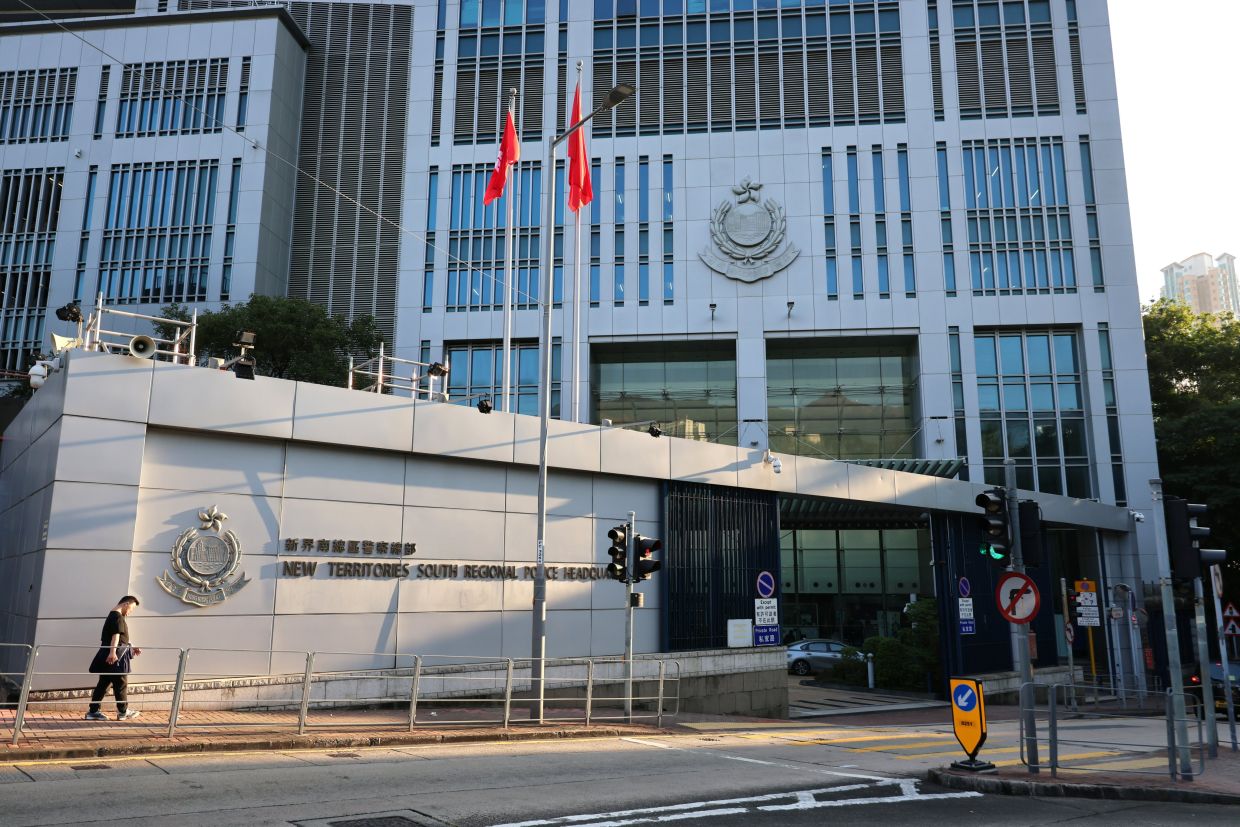
A Hong Kong police officer has been formally charged with misconduct in public office following an investigation into allegations that he sent indecent messages and images to a woman connected to a criminal case he was handling. The 32-year-old constable from the Kwai Tsing police district was detained in Tuen Mun on August 20 by officers from the New Territories South regional crime unit, according to statements released by police on Thursday.
The misconduct came to light during a separate criminal investigation that had commenced in May of the previous year. While examining that case, the officer allegedly exploited his position to contact the friend of one of the suspects involved, subsequently transmitting sexually suggestive text messages and photographic material to her without authorization or professional justification. The woman targeted by the officer's inappropriate communications eventually reported the conduct to police authorities later that same month, prompting a formal inquiry into his actions.
The alleged behaviour raises significant concerns about the abuse of official position within law enforcement. The officer's access to suspect information and investigative details placed him in a position of authority that could easily be leveraged to identify and contact individuals associated with cases under investigation. By using this access to pursue personal contact with a civilian witness or acquaintance, the officer crossed a clear ethical and legal boundary separating professional law enforcement duties from personal conduct.
Following the police department's internal inquiry, the decision was made to proceed with criminal charges rather than pursue purely disciplinary measures. The single count of misconduct in public office carries potential legal consequences beyond administrative suspension, signalling the seriousness with which the force views such behaviour. The officer is scheduled to make his first court appearance at Sha Tin Court on Friday, where bail conditions and further procedural matters will likely be determined.
In the interim, the officer has been removed from active duty pending the outcome of legal proceedings. This suspension serves both to protect public confidence in the police force and to ensure that the officer is not in a position to contact witnesses or evidence in any ongoing investigations. The step reflects standard practice in high-profile misconduct cases, though it does not prejudge the eventual outcome of the trial.
The Hong Kong Police Force issued a formal statement emphasizing its commitment to professional standards and ethical conduct among its ranks. Senior officials indicated that the department takes allegations of officer misconduct with the utmost seriousness and maintains zero tolerance for violations of public trust. This public posture is crucial for maintaining community confidence, particularly in cases involving the misuse of official authority to contact or influence civilians.
Such incidents, while not routine, are not entirely unprecedented in law enforcement agencies across the region. The temptation to misuse access to personal information or to blur professional boundaries exists wherever officers have access to sensitive databases and investigative files. Hong Kong's approach of pursuing criminal charges in addition to employment discipline sends a strong signal to other officers about the institutional consequences of such behaviour.
The case highlights broader questions about oversight mechanisms within police forces and the effectiveness of existing safeguards against the abuse of official position. Internal review systems, supervisory protocols, and access controls all play roles in preventing such incidents. The fact that this matter proceeded to criminal charges after a civilian report suggests that the formal complaint mechanism functioned, though questions may arise about why such conduct was not detected through internal monitoring systems.
For the broader law enforcement community in Hong Kong and Southeast Asia, this case underscores the importance of comprehensive training on professional boundaries and the ethical use of information access. Many officers never abuse their position, and most investigations are conducted with proper propriety. However, high-profile cases of misconduct can erode public trust in policing generally and make community cooperation with investigations more difficult.
The timing and nature of the alleged conduct—targeting an associate of a criminal suspect—also raises concerns about potential witness intimidation or interference with justice, though those specific charges have not been mentioned in the initial reports. Investigators will likely examine whether the officer's intentions extended beyond inappropriate personal contact to include any attempt to influence the witness or compromise the underlying investigation.
The resolution of this case will be closely watched by police accountability advocates and civil society organisations in Hong Kong, as it will provide insight into how seriously the courts treat misconduct in public office charges when brought against law enforcement officials. Transparency in both the investigative process and eventual judicial outcome reinforces public confidence that no officer is above the law.

