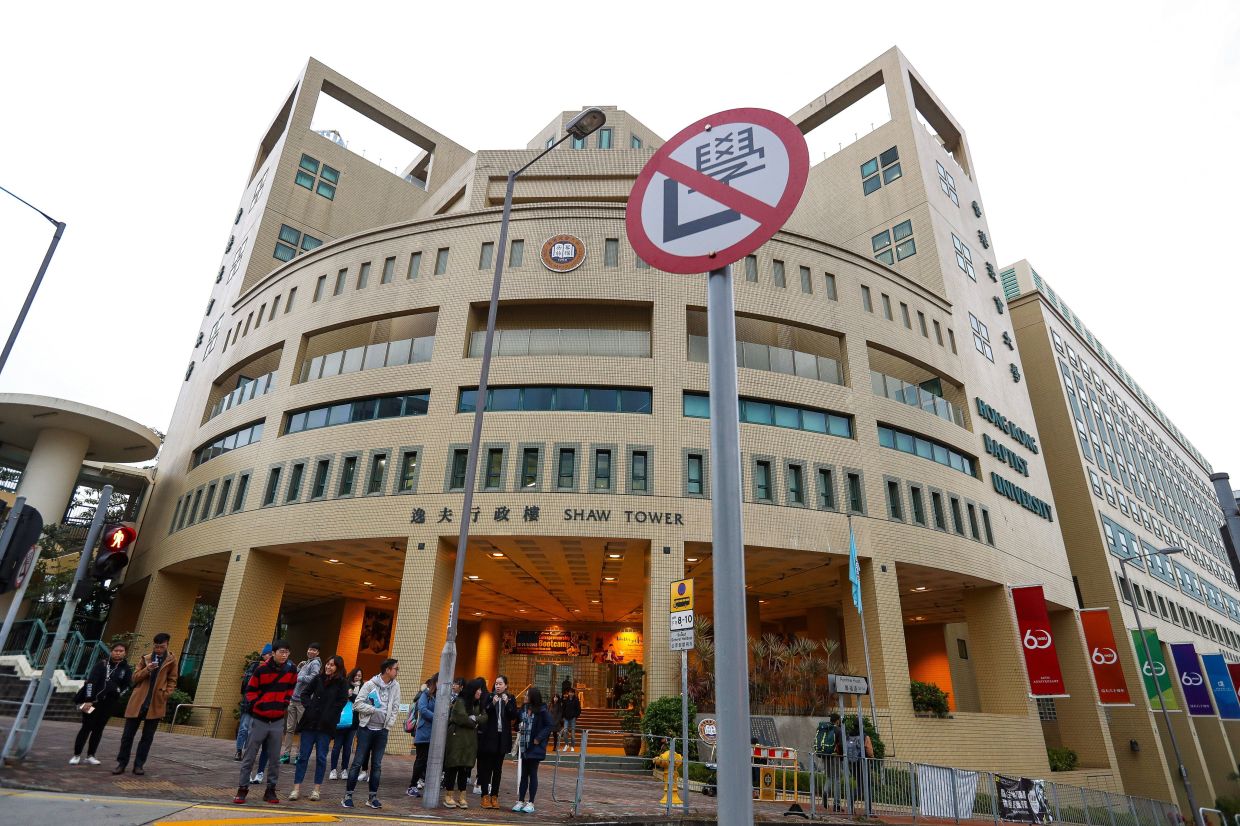
Hong Kong Baptist University has launched a comprehensive review of its information technology infrastructure after a prominent ransomware syndicate publicly claimed to have gained unauthorised access to the university's digital systems and data. The claims emerged from The Gentlemen, a sophisticated cybercriminal outfit that has emerged as a significant threat to institutional networks worldwide since its appearance in mid-2023.
Cybersecurity analysts tracking the incident estimate that approximately 1,900 credentials linked to the university may have been compromised through the alleged breach. This cache encompassed roughly 130 staff member accounts, around 1,770 student and other user credentials, and 260 credentials belonging to third-party contractor employees who access the institution's systems. The breadth of the compromise underscores the vulnerability of educational institutions to organised cyber extortion operations that target multiple user categories within their digital ecosystems.
The Gentlemen has established itself as a particularly troubling actor in the global cybercrime landscape through a distributed revenue-sharing operational model. Rather than confining their activities to direct extortion, the group functions as a software-as-a-service provider, leasing its sophisticated extortion malware to other criminal organisations in exchange for a percentage of proceeds. This franchise-like approach has enabled rapid expansion across international networks, creating a sprawling ecosystem of attacks that multiply enforcement challenges for law enforcement agencies.
The university's formal response came Tuesday evening, acknowledging the allegations and committing to systematic evaluation of both its technological defences and personal data safeguards. Officials indicated that the institution would pursue remedial measures through established institutional protocols while maintaining collaborative engagement with Hong Kong regulatory bodies and law enforcement authorities. However, the privacy regulator noted it had not received formal notification of the breach from Baptist University at the time of reporting.
Hong Kong's Privacy Commissioner for Personal Data office adopted a proactive stance by independently contacting the institution to gather details about the incident's scope and nature. This intervention reflects growing awareness among privacy authorities across Asia-Pacific that education sector breaches warrant urgent investigation given the sensitive personal information routinely collected from students, staff, and their families.
Industry leaders have articulated specific concerns about the university's response framework. Francis Fong Po-kiu, honorary president of the Hong Kong Information Technology Federation, emphasised that institutional leaders must immediately lodge formal notifications with privacy authorities rather than waiting for regulatory outreach. His analysis highlights that delayed disclosure by educational institutions can compound reputational damage and undermine public trust in data stewardship practices.
Fong outlined a detailed remediation pathway that extends beyond simple system patching. Comprehensive forensic investigation must determine whether compromised credentials served as entry points to critical systems or whether attackers successfully exfiltrated sensitive databases. Such forensic clarity proves essential for assessing breach severity and identifying which user populations face elevated identity theft or fraud risks. Without rigorous technical investigation, institutions operate in operational blindness regarding actual damage extent.
Password security across the entire campus population demands immediate intervention through mandatory universal resets, ensuring that compromised credentials lose functional value regardless of attackers' retention of them. However, password-only authentication no longer provides sufficient protection against determined adversaries with valid credentials. Fong stressed implementation of multi-factor authentication across all critical systems, particularly those accessing student records, research data, and administrative infrastructure.
Transparent communication with affected populations represents both an ethical imperative and a practical security measure. Comprehensive notification of staff and students regarding breach circumstances, investigation progress, and protective measures they should undertake helps prevent secondary exploitation through social engineering tactics. Cybercriminals frequently leverage genuine breaches to craft convincing phishing messages that exploit justified user anxieties about credential compromise.
For Malaysian educational institutions and technology-dependent organisations, the Baptist University incident carries instructive implications. Universities throughout Southeast Asia host increasingly valuable datasets including student records, research intellectual property, and financial systems that attract sophisticated criminal attention. The Gentlemen's operational model—combining ransomware deployment with data exfiltration for secondary extortion—creates compound financial and reputational pressure that many institutions struggle to withstand.
The breach underscores how educational sector cybersecurity lags behind commercial banking and healthcare standards despite comparable data sensitivity. Many Southeast Asian universities operate with legacy systems, fragmented security architectures, and limited dedicated cybersecurity resources that create exploitable vulnerabilities. The Baptist University case demonstrates that institutional prestige offers no protection against determined ransomware operators operating from jurisdictions with minimal law enforcement cooperation.
Regional policymakers should consider whether existing regulatory frameworks adequately incentivise timely breach notification and institutional transparency. Hong Kong's privacy commissioner's need to proactively contact the university suggests notification protocols may possess insufficient enforcement mechanisms. Malaysian and Singapore authorities should examine whether their institutional breach policies include sufficient penalties for delayed disclosure that might have enabled preventive action by affected individuals.

