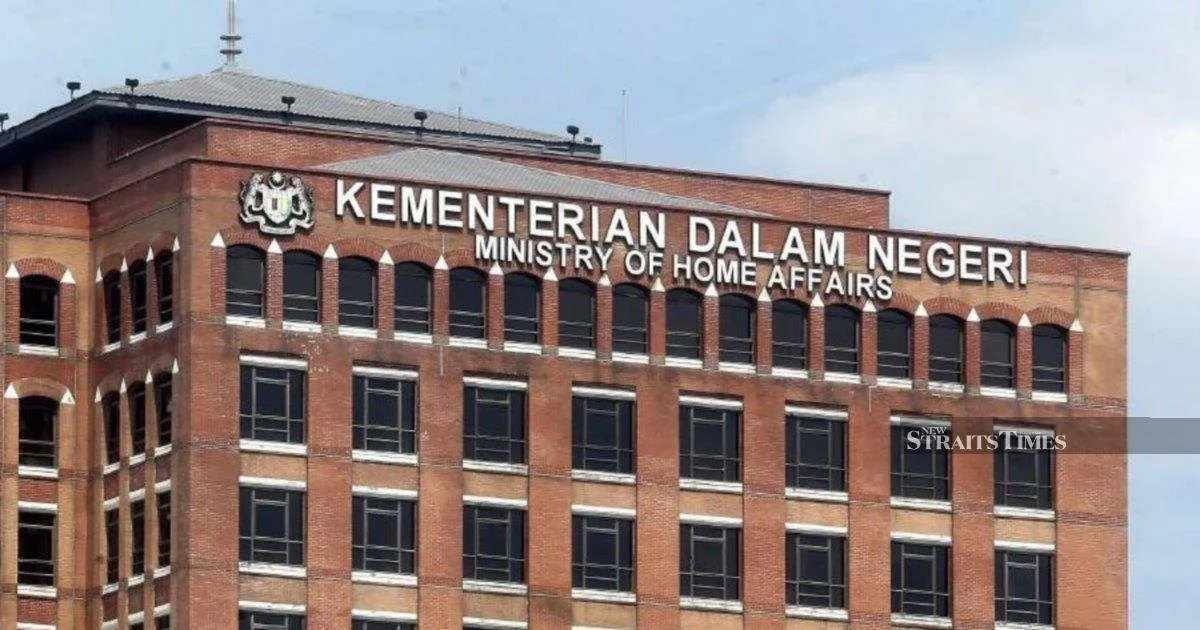
The Home Ministry has initiated a formal investigation into operational matters surrounding Network School located within Forest City in Johor, marking another regulatory examination of educational institutions operating within the sprawling integrated township development. The move reflects growing official attention to institutions established in the large-scale residential and commercial precinct, which has attracted both investment interest and periodic scrutiny over various operational and compliance matters.
Forest City, the major development project straddling the Johor-Singapore border, has expanded rapidly over recent years to encompass residential clusters, commercial facilities, schools, and recreational amenities. Network School, which operates within this ecosystem, has become the subject of formal investigation by the federal agency responsible for domestic security and administrative oversight. The specific operational issues that prompted the inquiry have not been fully detailed in preliminary statements, though sources suggest the investigation concerns institutional governance and regulatory compliance matters.
The Home Ministry's intervention signals that authorities have identified potential concerns warranting formal examination beyond routine regulatory checks. Educational institutions, particularly those operating in unique environments like integrated commercial-residential zones, typically fall under multiple oversight jurisdictions including the Education Ministry, local authorities, and relevant state-level agencies. The Home Ministry's direct involvement suggests the investigation may encompass broader administrative or governance dimensions extending beyond standard educational standards compliance.
Forest City itself has experienced periodic regulatory attention since its inception. The development, which represents one of Malaysia's largest private-sector township initiatives, has faced various operational and administrative challenges throughout its expansion phase. Educational facilities within such developments must navigate compliance requirements from multiple agencies, coordinate with local planning authorities, and maintain standards aligned with national educational frameworks while operating within a mixed-use commercial environment.
Network School's operational model within Forest City's integrated setting may have created complexities warranting investigation. Schools located within private developments often navigate intricate arrangements involving developer obligations, local authority oversight, parent expectations, and regulatory compliance. The combination of these factors in a large-scale township environment can generate administrative complexities that periodically necessitate formal review by federal authorities.
The investigation arrives amid broader conversations about educational standards and institutional governance across Malaysia. Parents and authorities increasingly scrutinise school operations, management transparency, safety protocols, and compliance with national curriculum standards. Forest City's international orientation and multinational resident population may have created additional considerations regarding alignment with Malaysian educational requirements and institutional accountability frameworks.
For families with children enrolled at Network School, the investigation may generate questions about institutional stability and operational continuity. However, regulatory examinations by government agencies typically aim to ensure compliance and address identified concerns rather than immediately disrupt operations. Schools under investigation generally continue functioning while authorities assess specific issues and determine appropriate corrective measures or compliance recommendations.
The Home Ministry's investigation reflects the complex regulatory environment surrounding educational institutions in Malaysia's modern, integrated development zones. As more educational facilities establish operations within large-scale commercial and residential precincts, coordination between multiple government agencies becomes essential to ensure institutional accountability while supporting legitimate educational operations. Such investigations help clarify regulatory expectations and ensure institutions maintain appropriate governance standards.
The outcome of this investigation may have implications for how educational institutions operate within similar integrated developments across Malaysia. Clear resolution of the issues identified could establish valuable precedents for other schools operating in comparable environments, contributing to standardised practices that balance institutional autonomy with effective regulatory oversight. Forest City's prominence as a major development project means outcomes here attract attention from stakeholders in similar projects nationwide.
As the Home Ministry proceeds with its examination, schools within integrated developments and related authorities may anticipate increased attention to governance, compliance documentation, and institutional transparency. This investigation underscores that regardless of location or unique operational context, educational institutions must maintain comprehensive alignment with federal regulatory requirements and demonstrate clear accountability mechanisms. For Forest City as a development, this represents another chapter in the ongoing negotiation between ambitious private-sector township expansion and comprehensive government oversight of community institutions.

