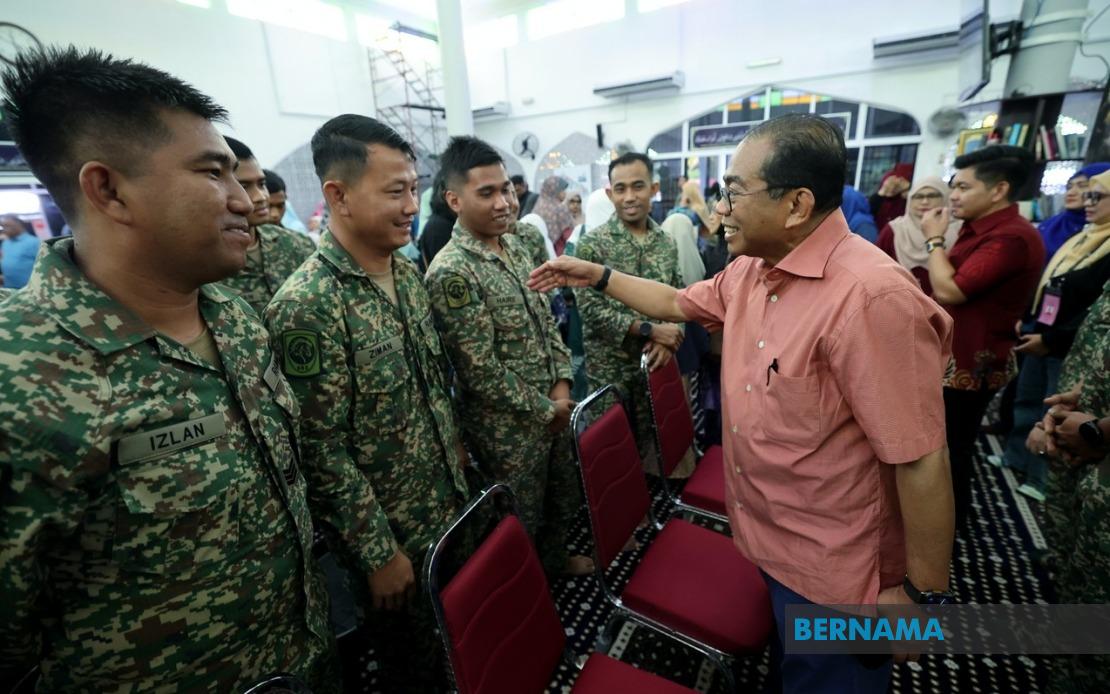
The investigation into a fatal grenade blast at Hobart Camp in Gurun that claimed two military lives is nearing completion, with Defence Minister Datuk Seri Mohamed Khaled Nordin indicating the findings should reach his ministry by mid-July. Speaking at a gathering in Kota Tinggi on July 5, the minister confirmed that authorities are finalising their examination of the incident before submitting their conclusions for ministerial consideration and any necessary action.
The tragedy unfolded on June 16 when a training exercise at the facility went catastrophically wrong. Two service members—Corporal Norazmi Abu Bakar from the Sixth Battalion, Royal Malay Regiment, and Private Siti Khadijah Sungip from the First Squadron, Royal Engineers Regiment—sustained severe injuries during the explosion. Despite being transported to Sultan Abdul Halim Hospital in Sungai Petani, both personnel succumbed to their injuries while in transit. The incident occurred at approximately 10.57 am and represented a significant loss for the Malaysian military establishment.
The gravity of the situation intensified when a second dangerous incident struck the same installation just two weeks later. On June 29, a firearm discharge during a combat enhancement training exercise injured two additional soldiers. Sergeant Mohamad Firdaus Che Shaharudin and Corporal Felix Franchis from the Fourth Battalion, Royal Ranger Regiment both suffered leg injuries after being struck by shrapnel in the 6.15 pm incident. The proximity of these two accidents at the same location within a fortnight raised immediate concerns about operational safety procedures at the facility.
Responding to the cluster of incidents, Mohamed Khaled has directed the Malaysian Army to undertake a comprehensive review of its training methodology and safety protocols. This examination extends beyond the immediate cause of the June 16 explosion to encompass broader systemic issues that may have contributed to either incident. The minister acknowledged that such reviews require thorough analysis before conclusions can be drawn, indicating his administration will not rush to judgment or implement hasty policy changes without proper evidential foundation.
The minister's statement reflects the complexity involved in investigating military accidents of this nature. The dual incidents suggest potential weaknesses in operational procedures, equipment handling, or training supervision that warrant detailed examination. Whether the problems are rooted in equipment maintenance, instructional methodology, personnel training standards, or inadequate safety measures remains to be determined through the formal investigation process. Each possibility carries different implications for how the military might restructure its approach to training exercises.
For Malaysia's military community, these deaths represent a sobering reminder of the inherent risks that service members face during combat preparation. The loss of trained personnel, particularly in peacetime training rather than operational deployment, underscores the necessity for uncompromising safety standards. Both soldiers were performing their duties as assigned, making the incident particularly poignant for their families and units. The investigation's findings could have lasting implications for how similar training is conducted across military installations nationwide.
The delay between the incidents and the investigation's anticipated completion reflects the methodical approach required in military inquiries of this magnitude. Investigators must examine numerous factors including equipment specifications, maintenance records, training protocols, instructional qualifications, environmental conditions, and command decisions. Such examinations cannot be rushed without risking incomplete findings that might permit similar tragedies to recur. However, the timeline also demonstrates the importance of swift resolution so that any necessary corrective measures can be implemented promptly.
The Malaysian military's commitment to reviewing training approaches sends an important signal both internally and to the broader public. It demonstrates institutional willingness to examine operations critically rather than defaulting to explanations that minimize systemic responsibility. For allied defence forces and regional military observers, Malaysia's transparency in investigating and addressing such incidents reinforces professional standards. The findings may also influence how training exercises are conducted across Southeast Asian militaries that follow similar protocols.
Malaysia's defence establishment faces mounting pressure to ensure such incidents do not recur, particularly as global military standards continue to emphasize comprehensive safety protocols and rigorous training oversight. The investigation report, once submitted, will likely generate discussion among military strategists, safety experts, and defence policy makers regarding optimal practices for high-risk training activities. Implementation of any recommended changes could serve as a benchmark for other regional armed forces confronting similar operational challenges.

