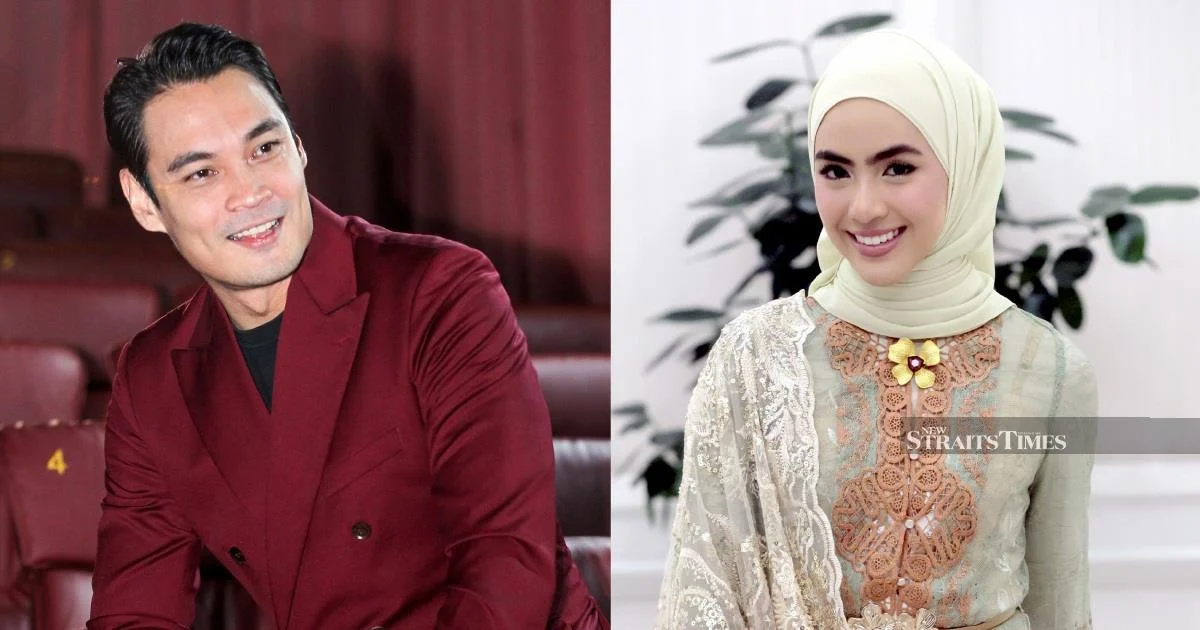
Malaysian actor Hisyam Hamid has publicly rejected allegations linking him to a reported visit to the residence of fellow actress Erysha Emyra, expressing frustration over what he characterises as baseless gossip that recently circulated widely on social media. The rumour, which gained traction on the Threads platform, prompted the performer to issue a clear statement distancing himself from the claims and addressing what he views as an unfounded intrusion into his personal life.
The emergence of such rumours on social media platforms reflects a broader pattern within Malaysia's entertainment ecosystem, where unverified claims about celebrity relationships and personal interactions can spread rapidly across digital networks. The Threads platform, as a relatively newer social media channel, has become a significant space where entertainment gossip circulates among Malaysian users, demonstrating how quickly unsubstantiated information can gain visibility and traction before reaching mainstream awareness.
Hisyam Hamid's decision to publicly address these allegations underscores the growing necessity for Malaysian entertainers to actively counter false narratives that could potentially damage their professional reputation and personal relationships. The actor's response reflects a broader trend among public figures in the region who increasingly recognise the need to promptly and decisively address misinformation rather than allowing speculation to linger unchallenged in digital spaces.
For actors working in Malaysia's film and television industry, professional collaborations frequently require on-set interactions and behind-the-scenes engagement that can easily become fodder for public speculation. The nature of entertainment work, which often involves close working relationships between performers, creates scenarios where regular professional contact between colleagues can be misinterpreted or weaponised by those seeking to generate sensational narratives. This challenge has become increasingly acute as social media has democratised the ability to broadcast claims to wide audiences without editorial oversight or verification processes.
The incident also highlights the double-edged nature of the Threads platform for Malaysian entertainment discourse. While the platform enables direct communication between fans and performers, and facilitates community discussion, it simultaneously lacks the gatekeeping mechanisms that traditional media outlets employ. This absence of verification structures means that unsubstantiated claims can achieve significant circulation before being challenged, potentially causing reputational harm to the individuals involved.
Erysha Emyra, as the other party mentioned in these allegations, finds herself implicated in narratives she may not have prompted or endorsed. The situation exemplifies how rumours affecting one personality inevitably extend to others, creating a ripple effect of potential reputational risk across multiple individuals. Female actresses in particular often face disproportionate scrutiny and speculation regarding their personal lives and movements, a dynamic that underscores persistent gender disparities in how celebrity gossip operates within entertainment media ecosystems.
The Malaysian entertainment industry has long grappled with the tension between public interest and privacy rights. While fans and media observers have legitimate interests in the professional activities and collaborations of public figures, a significant portion of speculation ventures into territory that extends beyond professional concerns into intimate personal matters. Hisyam Hamid's pushback against these claims represents a broader assertion by Malaysian entertainers that certain aspects of their lives deserve protection from public scrutiny and unfounded speculation.
Regionally, similar patterns of celebrity rumour-mongering have prompted various performers and production companies to adopt more proactive communication strategies with their audiences. By issuing clear public statements that address allegations directly, entertainers can exercise greater control over narratives that might otherwise spiral beyond their ability to influence. Hisyam Hamid's statement follows this emerging best practice, though the necessity of such responses underscores an ongoing problem within digital entertainment discourse that continues to require individual intervention.
The incident raises important questions about digital literacy and verification practices among Malaysian social media users. As entertainment consumers increasingly rely on platforms like Threads for celebrity information, the responsibility for distinguishing between verified reporting and mere speculation becomes distributed across both professional communicators and audience members. The speed at which unsubstantiated claims can propagate presents an ongoing challenge for industry professionals seeking to maintain accurate public records of their activities and relationships.
Moving forward, the sustainability of Malaysia's entertainment industry may depend on developing more robust mechanisms for addressing misinformation while respecting legitimate public interest in the professional sphere. Whether this involves greater coordination between platforms and entertainment industry stakeholders, improved digital literacy initiatives, or more assertive responses from affected individuals, the current situation demonstrates that the status quo of unregulated rumour-spreading creates genuine challenges for public figures. Hisyam Hamid's forthright dismissal of these allegations represents one individual's response to a systemic issue that continues to affect entertainers throughout Southeast Asia.

