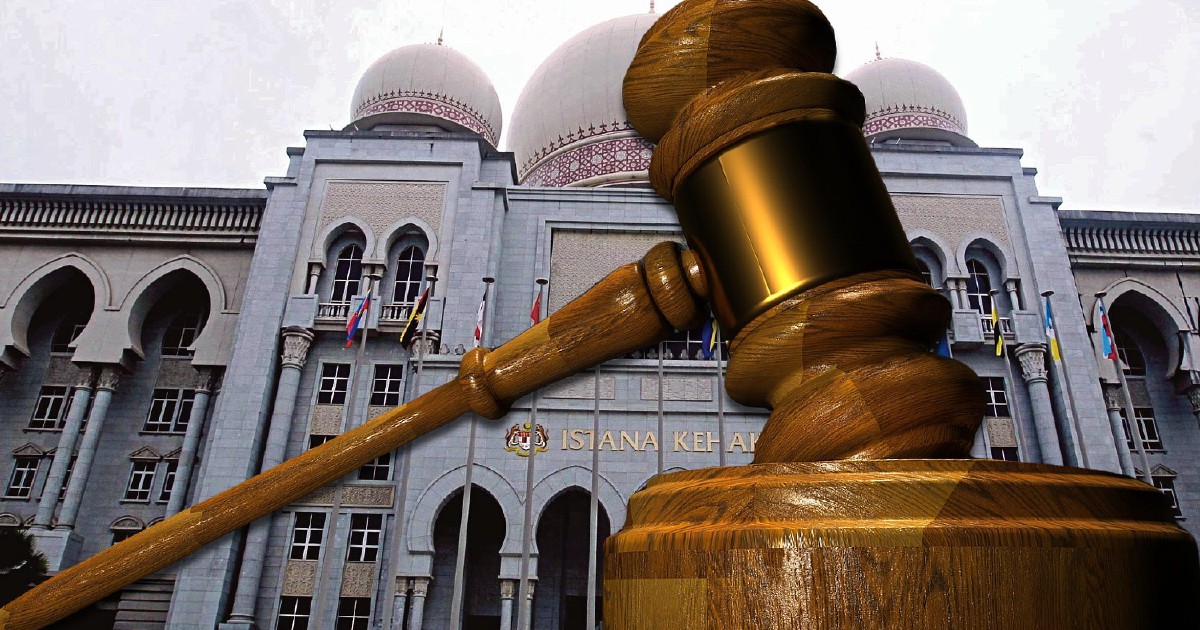
The High Court will convene on September 21 to determine whether several preliminary legal matters raised by Prime Minister Datuk Seri Anwar Ibrahim should be addressed separately from the main trial in a civil suit filed by his former research aide, Muhammed Yusoff Rawther. The case centres on allegations of sexual assault, and the preliminary hearing represents a significant procedural juncture that could shape the trajectory of the litigation.
Preliminary issues in civil litigation serve as procedural gatekeepers, allowing courts to determine threshold questions about jurisdiction, admissibility of evidence, or the viability of certain legal claims before proceeding to a full trial. Such hearings are common in Malaysian civil practice and can substantially affect the scope and duration of eventual proceedings. The specific preliminary issues raised in this case have not been detailed publicly, but they typically encompass questions about whether the plaintiff has standing to sue, whether the allegations fall within the court's jurisdiction, or whether certain defences should be upheld without requiring full trial proceedings.
Muhammed Yusoff Rawther's decision to pursue civil litigation adds another dimension to a matter that has already attracted significant public attention in Malaysia. Civil suits in cases involving allegations of sexual assault present distinct procedural and evidentiary challenges compared to criminal proceedings, as the burden of proof differs and the rules governing admissibility of evidence may vary. The civil route allows the plaintiff to seek damages for alleged harms without requiring proof beyond reasonable doubt, the standard applied in criminal courts.
The September 21 hearing will be closely watched by legal observers and the Malaysian public alike, given the prominence of the individuals involved and the sensitive nature of the allegations. How the High Court rules on these preliminary matters could determine whether the case proceeds to full trial, settles through negotiation, or faces dismissal on procedural grounds. The outcome may also influence public perception of the judiciary's handling of cases involving high-profile political figures and allegations of personal misconduct.
For Malaysian readers, this case underscores ongoing tensions between political accountability and legal process. The Prime Minister's position adds complexity to proceedings, as questions arise about whether his status affects the pace of litigation, access to legal resources, or the willingness of courts to expedite or delay matters of public interest. At the same time, the case reflects Malaysia's legal system's capacity to entertain civil claims against sitting government figures, demonstrating principles of equality before the law regardless of political rank.
The civil suit framework also highlights differences in how Malaysia's courts treat allegations compared to criminal proceedings. Civil litigation permits broader examination of circumstances and alleged conduct without the stringent evidentiary thresholds required in criminal cases. However, civil suits also demand that plaintiffs prove their case on the balance of probabilities rather than establishing guilt beyond reasonable doubt, a substantially lower threshold that can make allegations easier to sustain but also subject to greater scrutiny regarding credibility and corroboration.
Regionally, this case reflects broader conversations across Southeast Asia about accountability for public figures and the role of courts in addressing allegations of misconduct. Malaysia's approach to such matters, demonstrated through its willingness to allow civil proceedings to advance through the courts, contrasts with some neighbouring jurisdictions where political considerations might supersede judicial independence. The September 21 hearing represents another opportunity for Malaysia's courts to demonstrate their impartiality and commitment to due process.
The timing of the preliminary hearing also carries procedural significance. By scheduling this date, the court acknowledges the need for clarity on foundational legal questions before committing to the time and resources required for a full trial. Such preliminary determinations can resolve cases more efficiently if certain legal barriers prove insurmountable or can streamline trials by eliminating contested issues that do not require full evidentiary hearings.
Anwar Ibrahim's legal team will have prepared submissions addressing why these preliminary issues warrant separate determination, potentially arguing that resolving them first will save court time or prevent potentially prejudicial evidence from being heard at trial. Conversely, Muhammed Yusoff Rawther's legal representatives will likely contend that many of these matters are better addressed within the context of full trial proceedings, where all evidence can be properly considered and tested.
The outcome on September 21 will significantly influence the trajectory of civil litigation in Malaysia involving allegations against senior government officials. Should the court determine that preliminary issues must be resolved before trial, the case may extend considerably in duration. Conversely, if the court determines that these matters should be addressed during trial itself, proceedings could move more swiftly toward resolution. Either way, the hearing represents a crucial procedural moment that will shape how Malaysian courts manage sensitive and high-profile civil litigation involving allegations of personal misconduct against individuals in positions of significant political authority.

