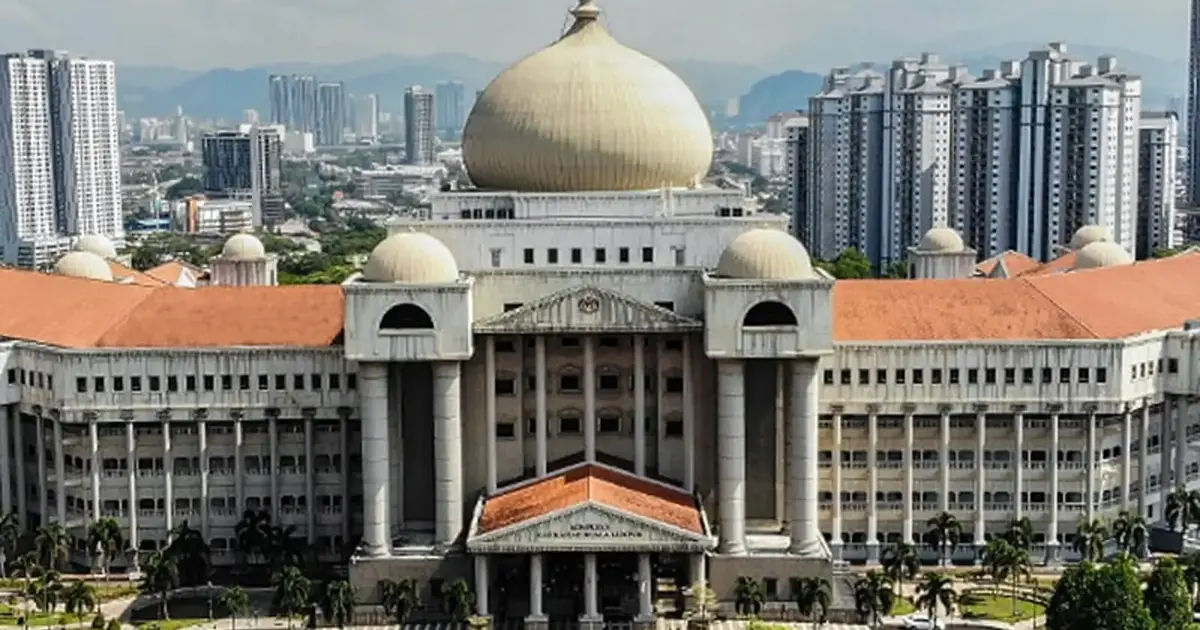
Malaysia's High Court has determined that the Prime Minister cannot be forced to provide testimony in an ongoing RM30 million civil suit, finding that he does not qualify as a material witness in the proceedings. The court's decision to set aside the subpoena represents a significant development in the litigation, establishing legal boundaries around the compulsory testimony of holders of the nation's highest executive office.
The ruling reflects established principles of Malaysian jurisprudence concerning the distinction between peripheral and essential witnesses in civil litigation. A material witness is one whose evidence bears directly on the facts central to the dispute, whereas testimony merely peripheral to the case's core issues does not meet this threshold. The High Court's assessment that the Prime Minister's evidence fell outside this category provided the legal foundation for rejecting the subpoena.
This decision carries implications for how Malaysian courts balance the demands of civil litigation against the practical constraints and constitutional considerations surrounding high office. While the judiciary possesses the power to compel testimony from any person within its jurisdiction, courts exercise discretion in evaluating whether compelling such testimony is proportionate and necessary. The ruling suggests the High Court found alternative pathways through which the plaintiff could establish the facts at issue without requiring the Prime Minister's personal appearance.
The case itself involves a substantial financial claim of RM30 million, indicating a dispute of considerable commercial or contractual significance. The nature of the underlying dispute remains relevant context for understanding why the subpoena was initially issued and what evidence the plaintiff believed the Prime Minister could provide. The court's conclusion that his testimony was unnecessary implies the dispute can be resolved through other forms of evidence or witnesses with more direct knowledge of the transactions or conduct in question.
For Malaysian legal practitioners and the business community, the judgment provides clarity on the limits of discovery and compulsory testimony in civil cases involving government figures. The decision does not create blanket immunity for senior officials but rather applies conventional witness-qualification standards rigorously. This approach protects the efficient functioning of government whilst maintaining the judiciary's authority to compel testimony when genuinely necessary for justice.
The ruling also touches upon broader questions of executive governance and judicial independence that resonate throughout Southeast Asia. Malaysia's constitutional framework provides for separation of powers, yet civil litigation sometimes generates tensions when it requires senior political figures to devote time to courtroom proceedings. The High Court's decision navigates this tension by applying neutral legal criteria rather than invoking immunity or deference based on executive status alone.
Commentators have noted that the judgment distinguishes between protecting political office holders from harassment through frivolous subpoenas and ensuring they remain subject to the rule of law in appropriate circumstances. By requiring that subpoenas meet the material witness standard, courts can filter out attempts to compel testimony primarily for political pressure or publicity purposes whilst preserving their capacity to secure evidence when it is genuinely indispensable to resolving disputes.
The decision may influence how future civil litigants structure their cases and identify necessary witnesses. Parties seeking to involve high-level officials in proceedings will need to articulate clearly why their testimony is material rather than peripheral, and courts will likely apply similar scrutiny to determine whether alternative evidence could serve the same purpose. This creates incentives for more focused and efficient litigation strategies.
From a Malaysian governance perspective, the ruling affirms that civil courts operate independently from political considerations whilst simultaneously recognising that government business cannot be paralysed by constant demands for official testimony. The balance struck here reflects international best practice in jurisdictions seeking to maintain judicial credibility and rule of law whilst acknowledging the practical realities of governance.
The subpoena's rejection does not foreclose all avenues for the plaintiff in the RM30 million suit. Parties can still seek discovery of documents, interrogatories to written questions, and testimony from witnesses with direct knowledge of the transactions or conduct central to the dispute. The court's decision simply establishes that the Prime Minister's personal appearance is not required to achieve justice in this particular case.
Looking ahead, the judgment will likely become a reference point in Malaysian case law addressing the compulsory testimony of senior public officials. Future courts may cite this decision when evaluating similar subpoenas involving other ministers or high-ranking government figures. The precedent established here contributes to a framework where the dignity and efficiency of high office are respected without compromising the judiciary's authority or the litigation rights of private parties.
For the plaintiff, the court's decision necessitates careful reassessment of evidence strategy and witness selection to pursue the RM30 million claim through alternative means. This may prove more challenging but ultimately reflects the legal system's determination that justice should be achievable without displacing the Prime Minister from his official duties. The ruling thus represents a pragmatic application of judicial discretion that protects both the functionality of government and the integrity of civil proceedings.

