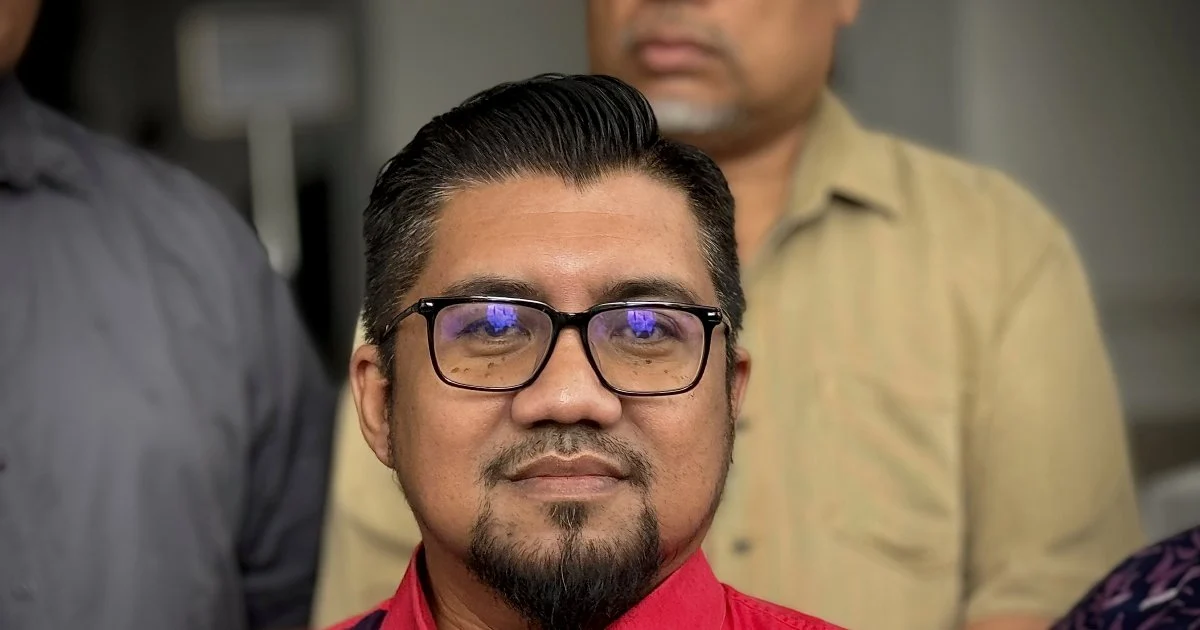
The High Court in Kuala Lumpur delivered a significant ruling today by reversing an earlier acquittal of political activist Badrul Hisham Shaharin, better known as Che'gu Bard, and ordering him to mount a full defence against charges of defaming His Majesty Sultan Ibrahim, the King of Malaysia. The case centres on statements made approximately two years ago that the activist allegedly made regarding a supposed private audience with political leaders, a matter that has drawn considerable scrutiny given Malaysia's strict laws protecting the monarchy.
This judicial reversal marks a pivotal moment in a case that has implications extending beyond the individual defendant. The original acquittal, which would have concluded the matter in Badrul Hisham's favour, has now been overturned by the appellate bench, effectively resetting the legal proceedings and requiring the activist to present evidence and arguments to defend against the defamation allegations. The shift represents a rejection of the lower court's initial finding and suggests the High Court identified legal or factual grounds warranting the case's continuation to trial.
Badrul Hisham, known for his activism and outspoken public commentary on Malaysian political matters, faces serious charges under laws that carry substantial penalties for statements deemed to defame the monarchy. Such cases are treated with considerable gravity within Malaysia's legal framework, reflecting the constitutional protections afforded to the institution of the King. The nature of his alleged statements—concerning what he claimed was an audience with political figures—touches on politically sensitive territory and raises questions about the boundaries between legitimate political discourse and prohibited speech.
The decision to reverse the acquittal and compel the defendant to enter his defence suggests the appellate judges were unconvinced by the arguments that led to the original dismissal. This could indicate concerns about the legal reasoning in the lower court's judgment or findings that sufficient evidence existed to establish a prima facie case of defamation. The burden now shifts to Badrul Hisham to demonstrate either that his statements were factually accurate, constituted fair comment, or fell within other recognised legal defences available in defamation cases.
For Malaysian observers of legal and political developments, this case illustrates the ongoing tension between freedom of expression and the protection of constitutional institutions. Malaysia's laws regarding sedition and defamation of the monarchy are among the world's more stringent, and cases like this one regularly feature in international discussions about press freedom and political expression in Southeast Asia. The activism community and civil society groups often scrutinise such proceedings closely, viewing them as indicators of the space available for political commentary and dissent.
The defamation allegations specifically concern statements made about a purported meeting between the activist and political leaders. The precise nature of what Badrul Hisham allegedly claimed during this audience remains central to the case, though the court's decision to order him to enter his defence suggests the prosecution successfully demonstrated that his statements, if made as alleged, could constitute defamation of the King. This aspect of the ruling touches on broader questions about what constitutes permissible political speech when it involves the monarchy or government leadership.
The reversal of the acquittal also reflects procedural complexities within Malaysia's judicial system. Appeals courts occasionally overturn lower court decisions when they determine that the initial judgment was legally flawed or insufficiently supported by evidence. In this instance, the High Court apparently found grounds to believe the case should proceed to a full trial stage rather than concluding at the preliminary dismissal phase. Such reversals underscore the importance of rigorous legal argumentation and the role appellate courts play in ensuring consistency and correctness in judicial outcomes.
Looking forward, Badrul Hisham faces the task of preparing a comprehensive defence that will likely involve presenting evidence, expert testimony if applicable, and legal arguments addressing the defamation allegations directly. The defence strategy may involve challenging whether his statements were indeed made as alleged, demonstrating their truth if they were made, or invoking other available legal defences. The complexity of such cases means the litigation process may extend considerably, with potential further appeals depending on the trial outcome.
This development carries implications for Malaysia's broader political and legal landscape. Cases involving high-profile activists and charges relating to defamation of the monarchy receive extensive public and international attention. How Malaysian courts handle such matters influences perceptions of judicial independence, rule of law, and the practical boundaries of political expression in the country. The case also demonstrates how judicial systems sometimes revisit earlier decisions through appellate processes, a mechanism that can either strengthen or weaken protection of various rights depending on how it is applied.
The ruling comes at a time when Malaysia continues to navigate questions about balancing national stability and institutional respect with space for legitimate political discourse. Activists and commentators will likely monitor the case's progression closely as it moves into the defence phase, with observers interpreting the proceedings as indicative of broader trends in how Malaysian courts approach politically sensitive defamation matters involving the monarchy. The eventual outcome may establish precedent affecting how similar cases are handled in future.

