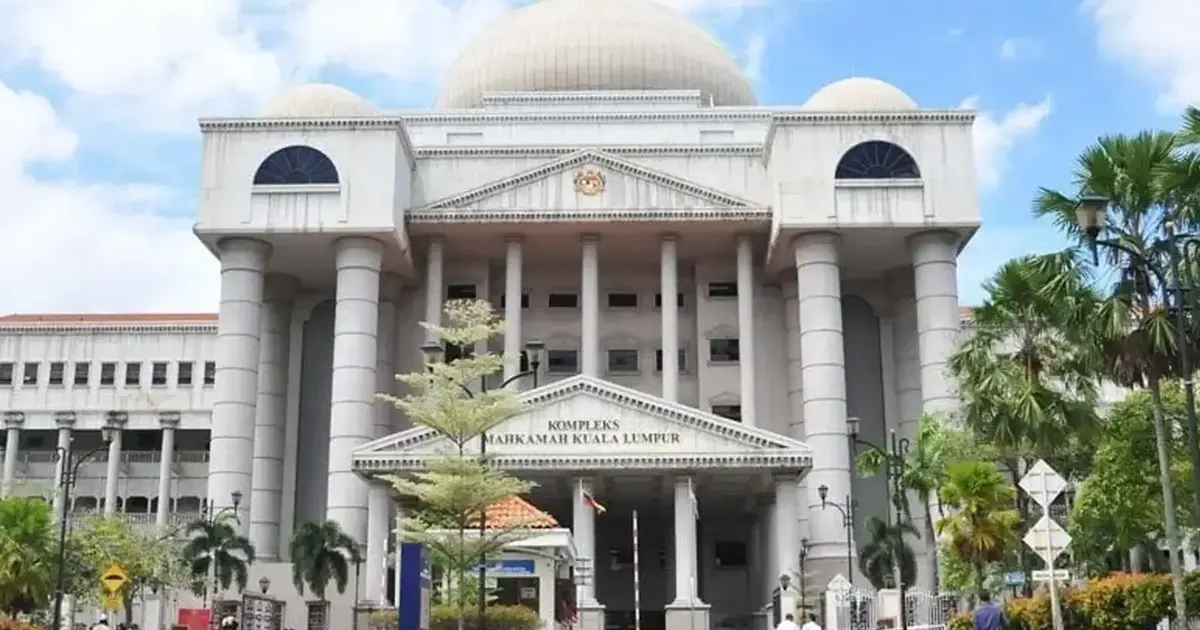
A High Court judge in Malaysia has granted a domestic Mareva injunction that effectively freezes over RM14 million in assets held by the East West group, a significant player in the oil palm sector. The court order was issued to prevent the conglomerate from dissipating its resources and to safeguard the position of investors who are pursuing a civil claim against the company. This judicial intervention represents a critical juncture in the dispute and underscores the court's commitment to preserving assets pending the resolution of the underlying legal proceedings.
The Mareva injunction is a powerful equitable remedy that grants courts the authority to restrain defendants from moving, concealing, or disposing of assets without prior court approval. In the Malaysian context, such orders are typically deployed when there is a substantial risk that a successful plaintiff will be left without recourse to recover damages or remedies because assets have been transferred beyond reach. The decision to grant this injunction against the East West group signals that the court found sufficient evidence of such risk and deemed it necessary to intervene to protect the claimants' interests.
The East West group operates across the oil palm industry, a sector that remains fundamental to Malaysia's economic output and global reputation. The conglomerate's business activities place it within a competitive landscape where financial transparency and investor confidence are paramount. The freezing of such a substantial sum reflects the magnitude of the dispute and suggests that the underlying civil claim involves significant financial claims that, if successful, would require substantial compensation from the company.
This court order carries broader implications for corporate governance and investor protection within Malaysia's business environment. When investors commit capital to enterprises, particularly in resource-intensive industries such as oil palm, they undertake considerable risk. The judiciary's willingness to enforce asset preservation measures demonstrates that Malaysian courts recognise their responsibility to maintain a framework where investors can pursue remedies through civil litigation without facing the frustration of judgment-proof defendants.
The civil suit underpinning this injunction remains ongoing, and the specifics of the investors' allegations have not been disclosed in available accounts. However, the court's decision to freeze assets reveals that the judge accepted that the claimants have demonstrated a serious question to be tried, meaning their legal claim is not frivolous or vexatious. This threshold requirement protects defendants from arbitrary asset freezing while ensuring that legitimate disputes can proceed with appropriate protections.
For Malaysian businesses operating in international markets and attracting foreign investment, the enforcement of asset preservation orders sends an important signal regarding the rule of law. Multinational investors and fund managers evaluating Malaysia as a destination for capital deployment consider the predictability and integrity of the judicial system. A court system that enforces Mareva injunctions and protects plaintiffs from asset depletion strategies enhances Malaysia's attractiveness as a jurisdiction for commercial activity and dispute resolution.
The oil palm industry, whilst economically significant, has faced mounting scrutiny from international environmental and human rights advocates. Investor disputes within the sector sometimes involve allegations related to corporate conduct, environmental compliance, or labour practices. The frozen assets and ongoing civil proceedings may relate to any number of such concerns, though the court proceedings themselves remain confidential until judgment or public settlement.
From a regional perspective, the application and success of Mareva injunctions in Malaysia demonstrates that Southeast Asian courts are increasingly sophisticated in deploying advanced commercial remedies that parallel global best practices. Investors from across the region and internationally can reference this precedent when evaluating the enforceability of investor protections in Malaysian courts. The judgment reflects Malaysia's commitment to aligning its commercial law framework with international standards and investor expectations.
The RM14 million in frozen assets will remain inaccessible to the East West group pending the outcome of the civil litigation, unless the court grants a variation or discharge of the injunction following a substantial change in circumstances. The company may seek to challenge the injunction or provide security to release the assets, but such applications typically require demonstrating to the court that the original grounds for the order no longer exist. This ensures that the freeze remains effective throughout the dispute resolution process.
As the civil suit progresses through Malaysia's courts, the injunction serves as a mechanism to ensure that justice is not merely theoretical but practically achievable. Should the investors ultimately succeed in their claim, the frozen assets provide a pool from which they can recover compensation without requiring additional enforcement proceedings against a defendant who has depleted its resources. This protective mechanism is fundamental to the efficacy of civil litigation and the credibility of Malaysia's judicial system in resolving commercial disputes.

