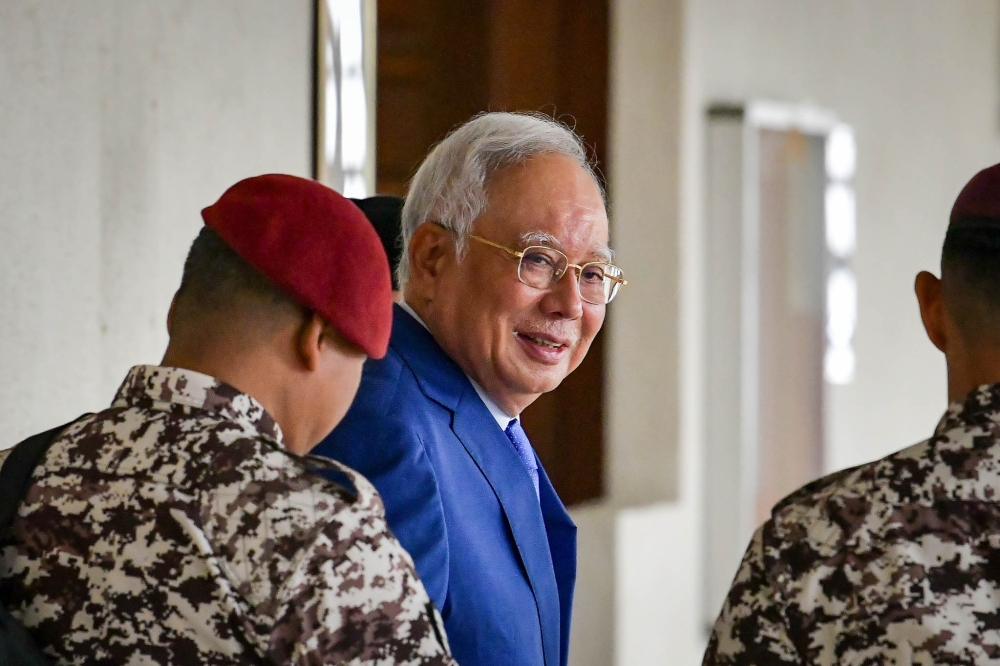
The High Court in Kuala Lumpur is now deep into proceedings that centre on allegations of massive financial misconduct involving former Prime Minister Najib Razak and the 1Malaysia Development Berhad (1MDB) fund. Prosecutors have laid out their case that Najib orchestrated a scheme depriving Malaysia of approximately US$5.64 billion in public money, representing one of the largest alleged frauds in the nation's history and drawing international scrutiny to governance standards in Southeast Asia.
The prosecution's narrative frames the matter as a profound betrayal of public trust. The case involves 1MDB and four of its subsidiary entities, which prosecutors contend were used as vehicles to facilitate the unauthorised transfer of massive sums from the Malaysian people's coffers. The High Court proceedings represent a critical juncture in holding former leadership accountable, with the outcome potentially reshaping public discourse around financial governance and accountability in Malaysia. The scale of the alleged theft—spanning years and involving sophisticated international transfers—underscores the complexity courts face when examining transnational financial crimes.
The structure of the investigation reveals how the scheme reportedly operated across multiple layers of corporate entities. By using 1MDB and its subsidiaries as intermediaries, the alleged perpetrators created distance between their actions and the origin of the funds, a technique familiar to law enforcement agencies investigating white-collar crime globally. This layering strategy has become increasingly common among those attempting to obscure the trail of large-scale embezzlement, making prosecution technically demanding and requiring forensic financial expertise.
For Malaysian citizens, the 1MDB scandal represented more than mere financial loss. The fund was originally conceived as a vehicle for economic development, meant to channel sovereign wealth toward infrastructure and investment projects that would benefit the nation's future. Instead, prosecutors argue, it became a conduit for personal enrichment, transforming a tool for public prosperity into an instrument of private gain. This perversion of institutional purpose strikes at the heart of Malaysia's development aspirations during the period when the scheme allegedly unfolded.
The implications of this case extend beyond individual culpability. International law enforcement agencies, including those in Singapore, the United States, and Switzerland, have pursued parallel investigations into funds traced to 1MDB, indicating the global dimensions of the alleged crime. Malaysian authorities' handling of the prosecution signals to the international community whether Southeast Asia can effectively police financial crimes at the highest levels of government—a question increasingly important as the region attracts substantial cross-border investment and wealth flows.
The evidentiary phase of the trial demonstrates the technical and legal challenges inherent in prosecuting cases involving intricate financial transactions. Prosecutors must establish not only that money disappeared from state accounts but that specific individuals, particularly Najib, directed these transfers with knowledge of their impropriety. The burden of proof in criminal proceedings requires demonstrating guilt beyond reasonable doubt, a standard that demands comprehensive documentation and testimony establishing clear causal links between actions and alleged crimes.
Defence arguments in such cases typically emphasise the complexity of corporate transactions, suggesting that discrepancies in fund flows can result from legitimate business activities or administrative errors rather than criminal intent. These submissions require courts to distinguish between incompetence or negligence—which may warrant administrative or civil remedies—and deliberate wrongdoing meeting the threshold for criminal conviction. The High Court's role involves carefully weighing evidence and assessing witness credibility under this rigorous standard.
For Malaysian investors and citizens, the trial's progression carries broader significance regarding confidence in institutional oversight. The revelation that a state investment vehicle could allegedly be misused on such a scale raises questions about the adequacy of internal controls, auditing mechanisms, and governance structures that were in place. Subsequent reforms to Malaysia's institutional framework and regulatory environment have attempted to address identified gaps, though critics continue to debate whether changes are sufficiently comprehensive.
The international dimension of the investigation also illustrates evolving cooperation mechanisms among regulatory and law enforcement bodies across borders. Countries that recovered funds linked to 1MDB, or that are pursuing connected investigations, have demonstrated willingness to share intelligence and coordinate efforts. This cooperation reflects a broader trend in tackling transnational financial crime, though it also highlights the complexities and jurisdictional challenges inherent in cross-border investigations.
As the High Court continues examining evidence, the case serves as a focal point for Malaysian society's response to allegations of governance failure at the highest level. The outcome will likely influence public perception of institutional capacity to address financial crimes, regardless of whether conviction occurs. For Malaysia's standing in global financial circles, the thoroughness and fairness of judicial proceedings matter as much as the verdict itself, signalling whether the country's legal system can credibly adjudicate complex cases involving powerful figures.
The prosecution's case fundamentally argues that Malaysia's public wealth was systematically diverted through deliberate decisions by leadership, representing not unfortunate administrative failure but calculated criminality. Whether the High Court ultimately accepts this characterisation will depend on the strength of documentary evidence, testimony from witnesses and experts, and the judge's assessment of how individual actions contributed to the overall scheme. The proceedings continue as Malaysia grapples with the legacy of 1MDB and the challenge of demonstrating that no person, regardless of former position, is above accountability.

