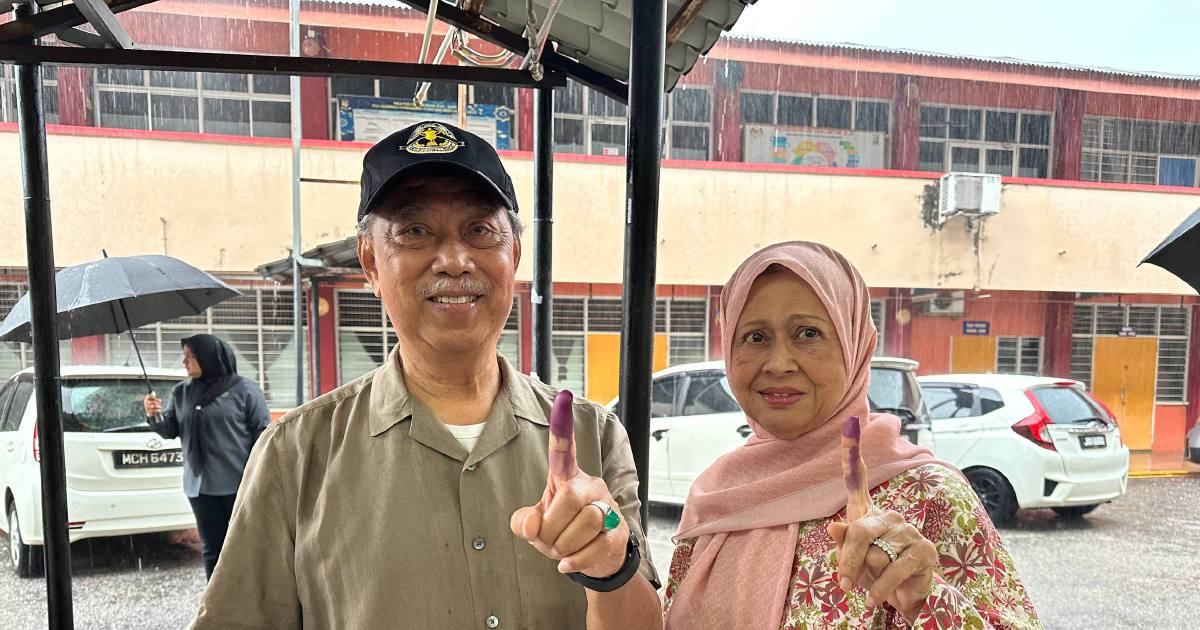
Bersatu officials expressed cautious optimism on election day in Johor, hoping that inclement weather would not significantly suppress voter participation in the state election. Speaking in Muar, party representatives indicated their target for a turnout exceeding 70 per cent, reflecting expectations of substantial public engagement despite weather disruptions that had already affected multiple constituencies across the state by morning.
The rainfall that swept through various Johor districts raised concerns about potential obstacles to voting. Poor weather conditions traditionally pose challenges for electoral participation, particularly in areas where voters must travel some distance to reach polling stations. Rain can deter older voters, those with mobility challenges, and families managing multiple responsibilities. However, Bersatu's leadership signalled that they were banking on sufficient voter motivation to overcome these barriers.
The 70 per cent threshold carries particular significance in Malaysian electoral contexts, where such turnout levels are generally interpreted as indicators of robust democratic engagement and voter confidence in the electoral process. Achieving this benchmark would suggest that the electorate viewed the election as consequential and worth braving difficult conditions to participate in. For a ruling coalition party like Bersatu, strong turnout often correlates with stronger electoral support, making the turnout metric strategically important for interpreting results.
Bersatu's positioning as the primary Malay-led party in Johor's political landscape means its performance in state elections carries weight beyond the state borders. The party has worked to consolidate influence in this crucial southern state, which remains economically and strategically significant within Malaysia's federal structure. A successful turnout on election day would strengthen Bersatu's narrative about public backing for its governance.
Weather-related disruptions to voting create practical complications that election administrators must manage. Polling stations require adequate space for queuing voters, and rain typically necessitates expanded covered areas. Poll workers, election observers, and security personnel must adapt to conditions that can be uncomfortable and, in some cases, hazardous. The Malaysian Electoral Commission's preparations for managing these logistical challenges would be tested throughout the day.
Historical patterns in Malaysian state elections show that turnout varies significantly based on multiple factors beyond weather. Political engagement, perceived stakes in the election outcome, and local ground dynamics typically influence participation more substantially than meteorological conditions alone. Johor's political landscape involves complex factional dynamics, and voters' assessments of these internal contests may prove more decisive than rain in determining whether they turn out.
The mention of Muhyiddin in connection with Johor elections reflects the prominent role this politician has maintained in state politics. His positioning within Bersatu and broader Malaysian politics continues to shape party strategy and public perception of electoral contests in the state. Leadership visibility and messaging during voting days can subtly influence turnout, as party officials serve as proxies for broader organisational commitment to mobilising support.
Regional election observers typically focus on turnout as an initial indicator of election health and legitimacy. A turnout below 70 per cent might prompt analysis about voter dissatisfaction or apathy, while a turnout above this threshold could be cited as evidence of democratic vitality. For Johor's administration and state-level political actors, the turnout figure becomes an immediate narrative tool for interpreting whatever electoral results follow.
The state election occurred against a backdrop of broader Malaysian political developments affecting federal-state relations, economic performance, and public sector management. Voters in Johor were simultaneously evaluating state-level governance performance and signalling their preferences for political direction, with the turnout serving as one barometer of public interest in these questions. Strong participation would indicate that voters regarded the election as meaningful enough to warrant their engagement, weather notwithstanding.
For Malaysian political analysts and regional observers monitoring state elections across Southeast Asia, the Johor result would provide data points about electoral momentum in one of Malaysia's largest state economies. State elections frequently foreshadow subsequent federal electoral trends or reveal shifting voter preferences in particular regions. Johor's significance in Malaysia's political geography means that outcomes here receive close scrutiny from political scientists, policy analysts, and international observers interested in Malaysian political stability and democratic functioning.
The ultimate turnout figure, once tallied and released by election authorities, would become the framework through which media outlets, political parties, and analysts interpreted the results. Bersatu's expressed hope for exceeding 70 per cent reflected not merely optimism about their electoral prospects but also strategic thinking about how turnout narratives could shape post-election discourse. Whether weather ultimately constrained participation or voters demonstrated sufficient motivation to overcome environmental obstacles would form part of the election day's broader story.

