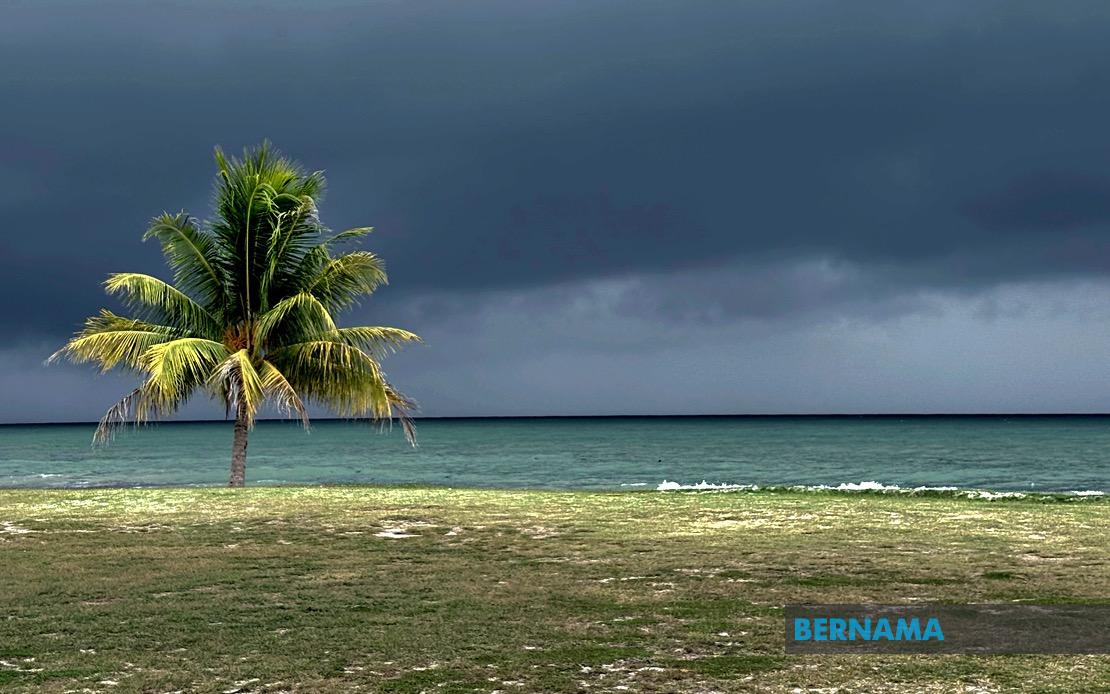
The Malaysian Meteorological Department has activated severe weather warnings across five states as a system of thunderstorms and heavy precipitation moves through the region, with conditions expected to persist until 11 pm today. Residents and commuters in affected areas have been advised to exercise caution and prepare for potentially hazardous conditions, particularly those engaged in outdoor activities or road travel during the remainder of the day.
In Peninsular Malaysia, the east coast states bearing the brunt of this weather system include Kelantan and Terengganu. Within Kelantan, the districts of Kota Bharu, Bachok, Machang and Pasir Puteh are in the warning zone, while across the border in Terengganu, Kemaman residents should anticipate heavy downpours. These east coast districts, which typically experience monsoon-influenced weather during this period, remain particularly vulnerable to sudden flooding and surface water accumulation when intense rainfall occurs.
Pahang's central and eastern reaches also fall within the alert area, with MetMalaysia specifically identifying Jerantut, Temerloh, Maran and Kuantan as districts expecting thunderstorms and heavy rain. This wider coverage across the state reflects the expansive nature of the atmospheric disturbance moving through the region. Kuantan's position as a major commercial and transport hub means disruptions could affect broader economic activity and traffic flows along major highways connecting the state to other regions.
On the island of Borneo, the warning extends to Malaysian Sabah and Sarawak. In Sarawak, only Limbang's Lawas division has been placed under alert, suggesting the system's impact remains somewhat concentrated in the peninsula's eastern corridor. However, in Sabah, a considerably broader area faces adverse conditions, indicating the weather system maintains significant intensity as it approaches the state's geography.
Sabah's coverage spans three distinct regions reflecting the state's diverse topography. The Interior division, encompassing Nabawan and Keningau, faces the warning alongside the West Coast's Ranau district. Additionally, the Sandakan division—comprising Tongod, Telupid, Beluran and Sandakan itself—is included in the alert. This geographic spread across Sabah's interior, coastal, and northeastern areas underscores the extensive reach of the current weather phenomenon.
Thunderstorm warnings carry particular significance for residents and infrastructure operators in tropical regions like Malaysia. The combination of thunderstorms, heavy rainfall and strong winds can trigger multiple hazards simultaneously: lightning strikes pose direct dangers to individuals outdoors, while intense precipitation overwhelms drainage systems and creates flash flooding risks, particularly in low-lying areas and urban zones with inadequate stormwater management. The wind component further complicates conditions, potentially bringing down loose structures, tree branches and power lines.
Commuters and travellers should anticipate reduced visibility on major routes, with visibility substantially diminished during heavy rainfall and thunder activity. Road conditions may deteriorate rapidly, and certain sections prone to waterlogging could become temporarily impassable. Public transport operations may experience delays, and those planning evening activities should allow extra travel time or consider postponement of non-essential journeys.
For residents in the affected districts, MetMalaysia's guidance typically advises remaining indoors during the peak of thunderstorm activity, securing outdoor items that could be displaced by wind, and avoiding areas susceptible to flooding. Motorists are cautioned against attempting to traverse flooded roads, while boaters and those engaged in maritime activities should exercise extreme care given the combination of heavy rain reducing visibility and strong winds affecting vessel stability.
The timeframe until 11 pm provides a window for residents and businesses to take precautionary measures before conditions potentially peak. Utility companies and emergency services in affected states typically increase readiness during such warnings, positioning crews to respond swiftly to infrastructure damage or individuals requiring rescue from flood situations. Schools and workplaces may also implement contingency plans should conditions deteriorate beyond forecasts.
Weather systems of this intensity and geographic scope are not uncommon in Malaysia, particularly during inter-monsoon periods when atmospheric instability can generate severe localized convection. However, each occurrence underscores the importance of maintaining robust early warning systems and public awareness of weather hazards. Climate change projections suggest such intense rainfall events may become more frequent in certain seasons, making infrastructure resilience and emergency preparedness increasingly critical for affected communities and state authorities.

