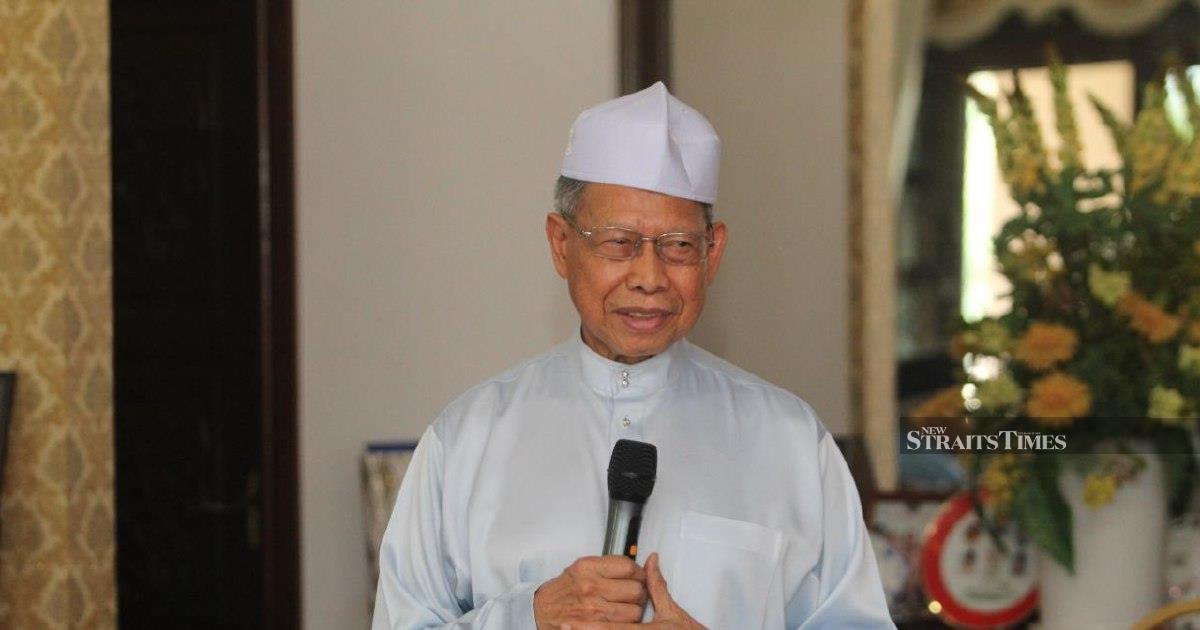
Datuk Seri Mustapa Mohamed, the former Jeli member of parliament who recently returned to Umno's fold, has made clear his intention to step back from electoral politics, citing significant health constraints that would hamper his effectiveness on the campaign trail. Speaking in Pasir Mas, the veteran politician acknowledged that his current physical condition prevents him from mounting the intensive ground-level campaign required in contemporary Malaysian elections, signalling a graceful exit from active parliamentary candidacy.
The declaration marks a turning point for Mustapa Mohamed, whose political journey has been marked by considerable influence within the federal administration and party structures. His candid admission about mobility challenges represents a pragmatic assessment of what modern electioneering demands—personal energy, extensive ground interaction, and the physical stamina necessary to sustain weeks of campaign activities across constituency communities. Rather than risk contesting from a position of diminished capacity, the seasoned politician has opted for transparency about his limitations.
Mustapa Mohamed's return to Umno in recent months had sparked speculation about potential roles he might assume within the party hierarchy, particularly given his extensive experience in both government and ministerial positions. His announcement that he will not pursue parliamentary representation in the forthcoming general election effectively closes one chapter while potentially opening others within party structures, where influence does not necessarily depend on winning electoral mandates. This distinction remains crucial in Malaysian politics, where senior figures can exercise significant authority through advisory, strategic, or organizational capacities.
The timing of this announcement carries weight within Kelantan's political landscape, where Umno has faced considerable challenges in recent electoral cycles. The Jeli constituency, which Mustapa Mohamed previously represented, has undergone various demographic and political shifts, and his decision eliminates speculation about whether he might attempt a comeback in familiar territory. His withdrawal reduces potential candidate congestion and allows party leadership to concentrate resources on candidates who can fully commit to exhaustive campaign schedules without health-related constraints.
For Umno more broadly, losing an experienced parliamentarian from active electoral competition might seem counterintuitive, yet the party gains clarity about its candidate pool and the motivations driving those who will contest. Moreover, Mustapa Mohamed's continued involvement in party deliberations and strategy at non-parliamentary levels ensures his expertise remains available to organizational leadership, even without his presence in the Dewan Rakyat. This model reflects how Malaysian political parties often extract value from senior figures whose direct electoral involvement becomes impractical.
The statement also reflects broader generational transitions occurring within Umno and other established parties. Many politicians who served during the party's post-1998 restructuring and subsequent periods are reaching life stages where continued intense electoral participation becomes untenable. Mustapa Mohamed's honesty about this reality—rather than attempting to contest despite health limitations—demonstrates maturity about both personal capacity and the disservice incomplete candidacy would render to constituents expecting robust representation.
Healthcare and aging remain underexplored issues in Malaysian electoral discourse, despite Malaysia's demographic trajectory toward an aging population. Senior politicians' experiences with mobility and health challenges often remain private matters, yet they fundamentally shape candidate selection, campaign strategies, and parliamentary effectiveness. Mustapa Mohamed's public acknowledgment that physical capacity matters for political candidacy opens space for more nuanced conversations about what elected representation actually requires at the ground level.
Within Kelantan specifically, where political competition remains fierce across multiple parties including PAS and PKR, the clarity about Mustapa Mohamed's intentions allows rival parties to adjust their own candidate strategies. The Jeli constituency, in particular, will likely see renewed competition among candidates, whether from Umno or opposition parties, unencumbered by questions about whether the former MP might attempt a late return. This certainty benefits all stakeholders seeking to plan coherently for the electoral contest.
Mustapa Mohamed's decades within Malaysian governance—spanning ministerial roles, party positions, and constituency representation—ensure his legacy extends well beyond whether he contests in one more election cycle. His political capital remains substantial, and his counsel on matters of strategy, policy, and party organization retains considerable weight among Umno leadership and rank-and-file members. The choice to step back from electoral competition reflects confidence that his influence can remain potent through other mechanisms entirely.
Looking ahead, Mustapa Mohamed's decision may influence how other senior Umno figures approaching comparable life stages assess their own electoral futures. If respected party veterans can openly acknowledge limitations and gracefully transition into advisory or organizational roles, the norm of relentless electoral competition might evolve toward more sustainable patterns of political participation and leadership succession. Such shifts would benefit Malaysian democracy by ensuring that candidates contesting elections genuinely possess the capacity to serve constituencies effectively.

