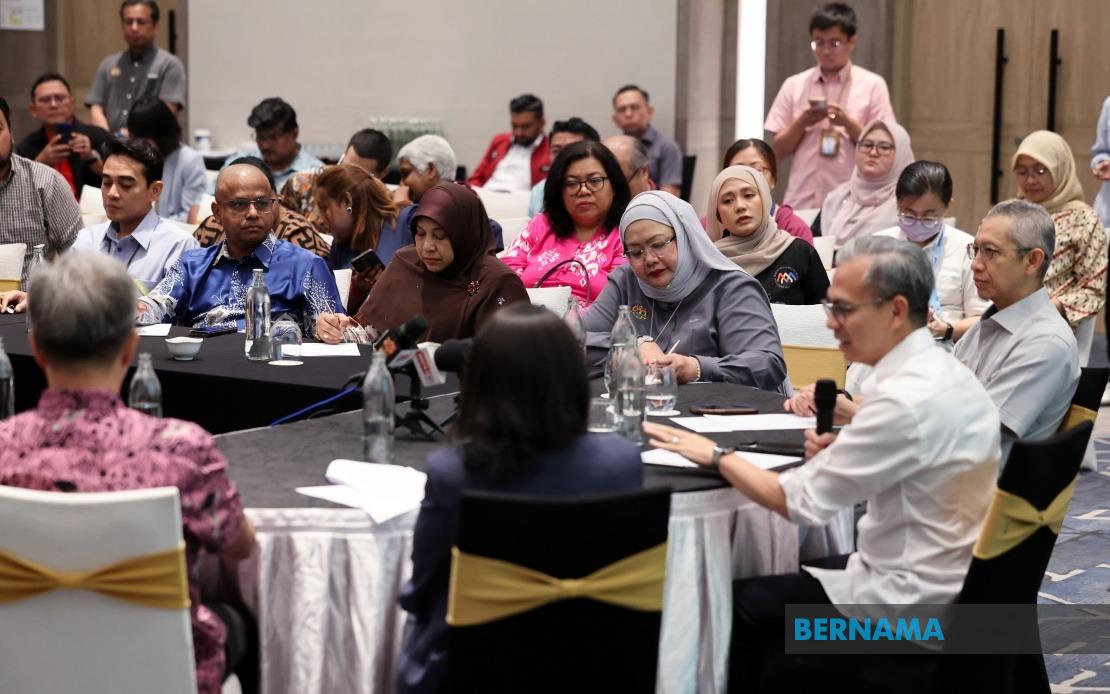
Media practitioners, industry partners and official delegates from across Malaysia and neighbouring ASEAN nations have started converging at the PICCA@Arena Butterworth Convention Centre for the HAWANA 2026 Summit, the country's premier gathering of journalism professionals. The arrivals on June 20 mark the beginning of what organisers expect will become a landmark event in the region's media calendar, with approximately 1,000 journalists and communications specialists anticipated to participate in the proceedings.
The summit's timing underscores a critical moment for the journalism profession in Southeast Asia. As media landscapes shift rapidly across the region—shaped by digital transformation, evolving audience expectations and ongoing debates about information credibility—HAWANA has positioned itself as a vital convening space for industry-wide reflection and strategic dialogue. The presence of delegates from multiple ASEAN nations signals recognition that media integrity challenges and solutions often transcend national borders, requiring coordinated professional responses across the region.
While participants settled into the Butterworth venue, many took advantage of the opening hours to explore exhibition booths and a dedicated photo gallery showcasing the work and history of Malaysian journalism. These informal networking moments, often overlooked in formal summit schedules, serve an important function—they allow veteran journalists to mentor younger practitioners, facilitate cross-organisational collaboration and help strengthen the professional bonds that define a robust media sector. The presence of colleagues from rival newsrooms gathering in shared space underscores the unifying principle that professional standards and ethical practice transcend competitive commercial interests.
The official theme for HAWANA 2026—'Media Integrity Strengthens Credibility'—directly addresses one of the most pressing concerns facing news organisations globally and within Southeast Asia. Public trust in media has declined significantly in many markets, a phenomenon attributed to misinformation, reduced transparency about editorial processes and perceived bias. By centering this theme, organisers acknowledge that rebuilding and maintaining credibility requires sustained institutional commitment to verification, transparency and ethical journalism standards. For Malaysian newsrooms navigating an increasingly complex information ecosystem, this focus offers an opportunity to reinforce shared professional values.
The summit will be officially opened by Prime Minister Datuk Seri Anwar Ibrahim, signalling strong governmental support for the event and the media sector more broadly. This high-level political endorsement reflects recognition that a professional, credible media system serves broader national interests in maintaining informed citizenry and democratic discourse. The Prime Minister's participation also signals that the government views media practitioners not as adversaries but as essential partners in information provision and public accountability—a positioning that carries implications for editorial independence and the operating environment journalists navigate.
Organisation of HAWANA falls under the Ministry of Communications, with Bernama, the Malaysian National News Agency, serving as the implementing body. This institutional arrangement places Malaysia's official state news agency at the centre of professional journalism development and standard-setting. Bernama's role extends beyond simply administering the event; it reflects the agency's broader mission to maintain standards in news gathering and dissemination across the national media sector. This positioning carries both benefits—access to government information and resources—and complexities, given Bernama's status as a state institution within Malaysia's media ecosystem.
The regional dimension of HAWANA 2026 merits particular attention for Malaysian audiences and Southeast Asian media watchers. As ASEAN nations increasingly collaborate on economic integration, cybersecurity and disaster management, the involvement of media delegates from across the region in professional development and standard-setting forums strengthens the connective tissue between national press corps. Cross-border media cooperation can improve coverage of regional issues, facilitate fact-checking of international misinformation and establish shared norms around reporting on sensitive issues affecting multiple countries.
The summit's focus on media integrity carries specific resonance in the Malaysian context, where concerns about news accuracy, source verification and editorial standards remain live issues within the profession. Practitioners gathering in Butterworth will have opportunity to discuss best practices in digital journalism, ethical guidelines for artificial intelligence use in newsrooms, strategies for combating coordinated misinformation campaigns and approaches to maintaining editorial independence amid commercial and political pressures. These conversations directly influence the quality and reliability of information available to Malaysian audiences.
Attendance by invited guests and strategic partners alongside journalist delegates suggests HAWANA organisers are adopting an inclusive approach to media sector development. This approach recognises that credibility and integrity involve not just news organisations themselves but also technology platforms, audience engagement specialists, training institutions and other stakeholders in the information ecosystem. By convening this broader coalition, the summit can address systemic challenges rather than placing responsibility solely on traditional newsrooms, which increasingly share the media landscape with various other information providers.
The gathering in Butterworth occurs within a broader global context where journalism faces existential challenges from technological disruption, advertising revenue decline and shifting audience consumption patterns. Regional forums like HAWANA enable Southeast Asian journalists to share experiences navigating these pressures while maintaining professional standards and public trust. The presence of colleagues from multiple ASEAN nations suggests growing recognition that these challenges and potential solutions are regional in nature, requiring collaborative problem-solving and knowledge exchange across national boundaries.
Looking forward, the substantive sessions and outcomes of HAWANA 2026 will likely influence newsroom practices and professional standards across Malaysia and contributing ASEAN nations for years to come. Recommendations emerging from discussions about media integrity, training needs and ethical frameworks may shape editorial policies, influence regulatory approaches and establish benchmarks for professional excellence. For Malaysian media consumers, the summit's emphasis on credibility and integrity directly translates to improved information quality and more trustworthy reporting about events affecting daily life.

