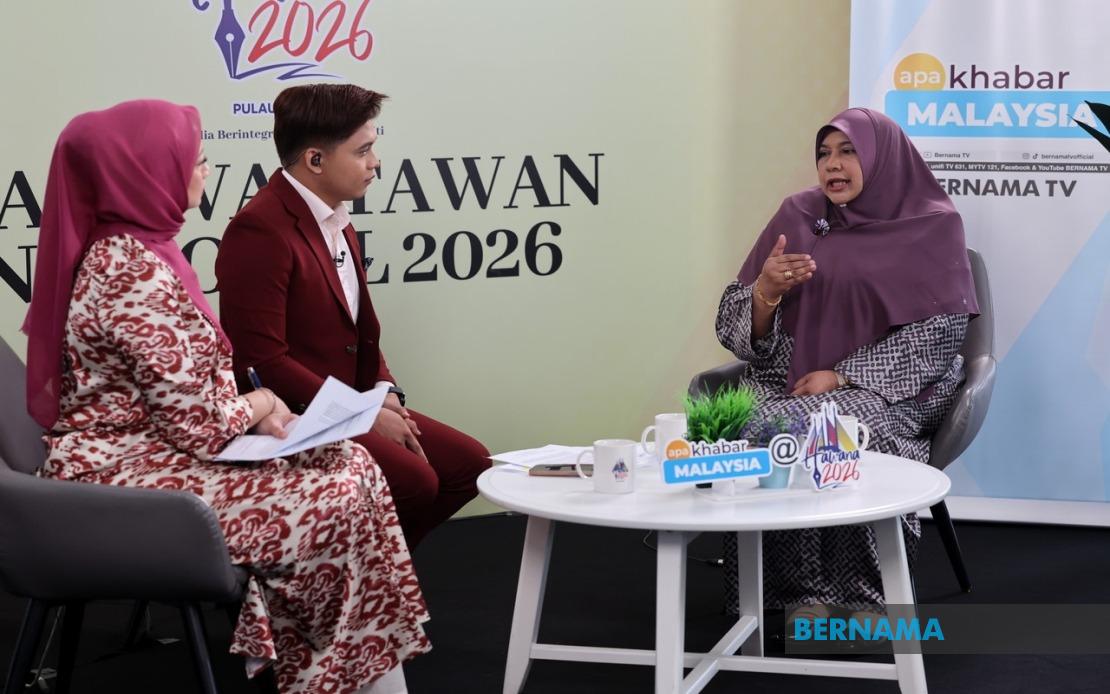
Penang will host the final summit of National Journalists' Day (HAWANA) 2026 tomorrow, drawing approximately 1,000 media professionals from Malaysia and abroad to celebrate journalism's pivotal role in delivering trustworthy information to the public. The event, scheduled for 3 pm, will be officiated by Prime Minister Datuk Seri Anwar Ibrahim and represents the culmination of a year-long initiative honouring the contributions of journalists to national development and public discourse.
The summit's overarching theme, "Media Integrity Strengthens Credibility", directly addresses contemporary concerns about misinformation and the erosion of trust in traditional news sources. By positioning media integrity at the centre of this celebration, organisers underscore a fundamental challenge facing newsrooms across Southeast Asia: maintaining public confidence whilst navigating an increasingly polarised media landscape and the proliferation of digital platforms. This thematic focus carries particular resonance for Malaysia, where media credibility remains a contested terrain shaped by political sensitivities and competing narratives about press freedom.
Among the high-profile attendees will be Penang Chief Minister Chow Kon Yeow, Communications Minister Datuk Fahmi Fadzil, and Communications Ministry secretary-general Datuk Abdul Halim Hamzah. The presence of these government representatives reflects official recognition of journalism's importance to Malaysia's democratic institutions and governance frameworks. Additionally, Malaysian National News Agency (Bernama) leadership, including chairman Datuk Seri Wong Chun Wai and chief executive officer Datin Paduka Nur-ul Afida Kamaludin, will participate alongside executives from major local media organisations, signalling industry-wide engagement with the gathering.
Datin Paduka Nur-ul Afida, who chairs the HAWANA 2026 Working Committee, emphasised that the summit transcends mere ceremonial appreciation of journalists. Instead, she characterised it as a professional ecosystem where media practitioners strengthen networks, forge lasting connections, and build bridges with the broader community. This conceptualisation reflects an understanding that journalism's legitimacy depends not only on internal professional standards but also on sustained dialogue with audiences and civic institutions. By framing HAWANA as a community-building exercise rather than an insular industry event, organisers acknowledge journalism's embeddedness within Malaysian society.
A significant innovation this year involves partnership with MyCreative Venture, an agency under the Ministry of Communications, which has organised the RIUH Pi HAWANA Carnival alongside the main summit. This three-day carnival, now in progress at the PICCA Convention Centre, features performances by established local artists including Exists, Bunkface, Masdo, Sakura Band, Budak Nakal Hujung Simpang, and Chelsea Ng. The carnival has attracted over 24 local creative product brands and 20 food and beverage vendors, plus interactive workshops designed to familiarise the general public with media practitioners and the profession. This expanded programming demonstrates an intentional effort to democratise access to journalism's narrative, extending appreciation beyond the professional community to ordinary Malaysians.
The HAWANA 2026 summit will receive extensive broadcast coverage, with live transmission on Bernama TV followed by rebroadcast on Radio Televisyen Malaysia (RTM) and TV AlHijrah, alongside distribution through social media platforms. This multimedia approach ensures nationwide reach, permitting journalists and citizens across Malaysia's diverse regions to participate in or observe the proceedings. For a country geographically dispersed and diverse in media consumption habits, such integrated distribution represents a deliberate strategy to reinforce journalism's national significance and make professional celebrations accessible to remote and urban audiences alike.
During the summit, Prime Minister Anwar Ibrahim will distribute contributions from Tabung Kasih@HAWANA to veteran journalists requiring financial assistance, alongside presenting awards to winners of the HAWANA-DBP Pantun Festival held in May. These ceremonial components serve symbolic purposes, demonstrating institutional commitment to journalists' welfare whilst celebrating literary and cultural dimensions of journalism practice. The presentation of HAWANA Awards and HAWANA Special Awards to figures who have substantially contributed to journalism and public intellectual development reinforces professional standards and recognises exemplary practitioners.
The broader HAWANA 2026 programme has unfolded over several months through strategically timed events. The HAWANA 2026 Media Forum on May 7 provided a dedicated space for professional dialogue, whilst the Strategic Partner Meeting on June 4 facilitated coordination between media organisations and supporting institutions. The Fun Walk HAWANA 2026 on June 14 encouraged public participation, generating visible community engagement with journalism as a profession. This phased approach suggests deliberate institutional planning to sustain interest and participation, avoiding the pitfall of single-occasion events that generate temporary enthusiasm without lasting professional impact.
HAWANA itself commemorates May 29, the date when Utusan Melayu newspaper published its inaugural edition in 1939, marking a foundational moment in Malaysia's modern journalism history. This historical anchor grounds contemporary celebrations in a longer trajectory of Malaysian journalism, connecting current practitioners to predecessors who established professional norms and contributed to national development during the pre-independence and early post-independence periods. For Malaysian journalists, this genealogy provides a sense of professional lineage and historical purpose extending beyond immediate commercial or political pressures.
The Ministry of Communications, working through Bernama as the implementing agency, positions HAWANA as the primary platform for recognising journalists' dedication, professionalism, and role as information providers serving Malaysia's communities. This institutional framing emphasises journalism's public service dimensions—the provision of accurate, authentic, and authoritative information—against commercial imperatives that sometimes compromise editorial integrity. In Malaysia's context, where media ownership remains concentrated and editorial independence occasionally faces pressure from political and economic interests, such explicit restatement of journalism's public utility carries strategic importance for professional legitimacy.
The Penang location for this culminating summit holds additional significance beyond mere administrative convenience. Penang, as a historically significant commercial and cultural hub with substantial Chinese and Indian populations alongside Malay communities, represents Malaysia's multicultural character. Holding HAWANA 2026's final event in Penang thus symbolises journalism's role in bridging diverse communities and ensuring information flows across Malaysia's ethnic and geographic divides. This geographic choice underscores implicit recognition that journalism's credibility depends partly on demonstrating commitment to inclusive representation and national unity through equitable information access.
The emphasis on media integrity throughout HAWANA 2026 reflects growing regional and global concerns about journalistic standards amidst technological disruption, economic pressures on newsrooms, and political polarisation. Malaysian journalists face particular challenges navigating these dynamics whilst operating within constitutional frameworks that permit government restriction of press freedom under specified circumstances. By elevating integrity to thematic prominence, HAWANA 2026 asserts professional commitment to standards that transcend political cycles and economic pressures, anchoring journalism practice in enduring principles of accuracy, fairness, and accountability to audiences rather than political patrons.
As the summit commences, Malaysian journalism faces both opportunities and challenges. The gathering tomorrow will likely generate reflections on journalism's future amidst digital transformation, the rise of alternative information sources, and persistent questions about media ownership concentration. For Southeast Asian journalism more broadly, HAWANA 2026 provides a case study in how professional associations and state institutions can collaborate to strengthen journalistic practice and public confidence in news media. The success of this initiative may offer models for regional counterparts seeking to reinvigorate journalism's professional standing and social relevance in an era of information abundance and credibility deficits.

