A specially curated photographic exhibition has opened at the HAWANA 2026 Summit in Butterworth, capturing both the ceremonial milestones and human impact of Malaysia's premier celebration dedicated to the journalism profession. The gallery, which commemorates National Journalists' Day through visual storytelling, represents an archival effort to preserve the institutional memory of the event while simultaneously showcasing the welfare initiatives that have quietly supported media practitioners across the country. The exhibition will remain accessible throughout the summit proceedings at the PICCA Convention Centre @ Arena Butterworth, where Prime Minister Datuk Seri Anwar Ibrahim is scheduled to deliver the official opening remarks.
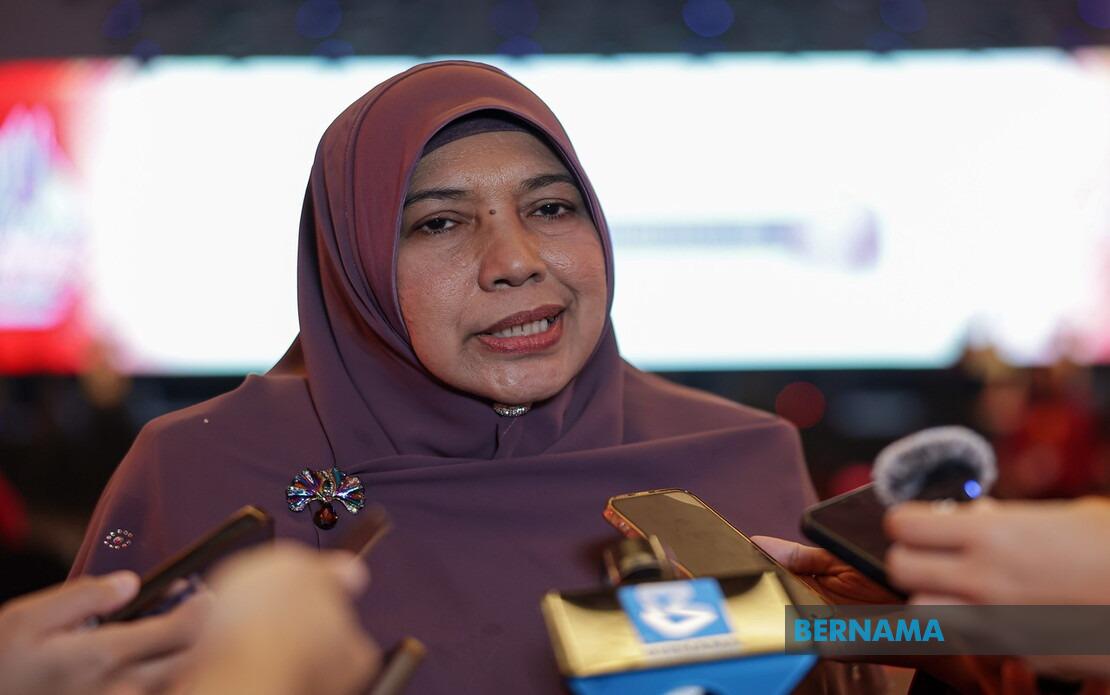
Datin Paduka Nur-ul Afida Kamaludin, chief executive officer of Malaysian National News Agency (Bernama), explained that the exhibition comprises two interconnected thematic sections that together tell a comprehensive narrative about both the celebration itself and its tangible humanitarian outcomes. The first segment traces the evolution of HAWANA across eight years of iterations, documenting the progression and development of the event from its inaugural gathering in 2018 through the most recent celebration in 2025. The second section shifts focus to the human dimension, presenting visual accounts and stories of individuals who have received assistance through Tabung Kasih@HAWANA, a support fund established to address the welfare needs of journalists and media veterans facing medical emergencies, chronic illnesses, or severe financial constraints.
As chairman of the HAWANA 2026 Working Committee in addition to her executive role at Bernama, Nur-ul-Afida underscored the significance of this exhibition as an opportunity to illuminate the news agency's dual function within the journalism ecosystem. While Bernama operates visibly as a news gathering and distribution organization, the exhibition reveals the institution's less-publicized role as the administrative backbone of HAWANA and the custodian of Tabung Kasih@HAWANA. This dual identity reflects a broader Malaysian approach to professional self-regulation within the media sector, where industry-wide institutions assume responsibility for colleague welfare alongside their core journalistic functions.
The curatorial decision to foreground beneficiary narratives alongside historical documentation represents a deliberate editorial choice to centre the human impact of professional solidarity. Rather than presenting HAWANA merely as a ceremonial occasion or bureaucratic milestone, the gallery framework invites visitors to recognize the fund's concrete contributions to improving living conditions for media professionals who have encountered unexpected hardship. This approach transforms what might otherwise be abstract institutional history into a visceral reminder of why professional associations establish mutual aid mechanisms and why celebrating journalism requires attending to the material welfare of practitioners.
Mohamad Bakri Darus, editor of Bernama's Photo Desk, detailed the meticulous editorial process that governed image selection and presentation. Each photograph included in the exhibition has been paired with bilingual captions in both Malay and English, a decision that reflects both practical accessibility concerns and the multilingual character of Malaysia's media landscape. This linguistic inclusivity ensures that the exhibition serves not only as a commemoration for those who participated in previous HAWANA events but also as an educational resource for younger journalists, international media delegations, and general publics unfamiliar with the history of Malaysia's press freedom celebrations.
The geographical scope of HAWANA celebrations, as documented through the exhibition, demonstrates the event's evolution from a Kuala Lumpur-centric gathering into a genuinely nationwide initiative. The exhibition catalogs previous HAWANA venues including the inaugural celebrations in Kuala Lumpur across 2018 and 2025, with interim years seeing the event rotate through Melaka in 2022, Ipoh, Perak in 2023, and Kuching, Sarawak in 2024. This deliberate geographic distribution serves multiple functions simultaneously: it distributes the logistical and financial burden of hosting across different states and cities, it amplifies the celebration's visibility across Malaysia's regions, and it symbolically affirms that press freedom and professional journalism represent national concerns transcending any single urban center.
The programmatic content documented within the exhibition reflects the comprehensive nature of HAWANA's structure, encompassing multiple concurrent activities designed to serve distinct constituencies within the journalism profession. Strategic Partner Meetings facilitate dialogue between media organizations and governmental or corporate stakeholders. Media Forums provide spaces for professional development and policy discussion. The HAWANA-DBP Pantun Festival celebrates linguistic creativity and cultural heritage within journalistic circles. The carnival and exhibition spaces offer informal networking and community building. Sports activities embedded within the celebration underscore the holistic wellness dimension of professional fellowship, recognizing that journalist wellbeing extends beyond professional development into physical health and recreational renewal.
For Malaysian readers and regional media observers, the significance of HAWANA and its associated welfare mechanisms cannot be separated from broader conversations about press freedom, professional autonomy, and the economic precarity facing journalism globally. Unlike many developed democracies where professional journalists enjoy robust employment contracts and comprehensive healthcare coverage, Malaysian journalists frequently navigate unstable employment arrangements, particularly in the print and digital sectors facing persistent economic pressures. Tabung Kasih@HAWANA addresses a real gap in social safety nets, providing emergency assistance that state welfare systems and commercial media employers often fail to deliver.
The exhibition's timing at the 2026 summit is particularly resonant given ongoing global debates about journalism's sustainability and social value. As technological disruption continues fragmenting traditional media business models and as misinformation flourishes in spaces vacated by professional journalism, the HAWANA celebration and its documentary record reaffirm institutional commitment to journalism as a public good worthy of professional solidarity and mutual support. The gallery implicitly argues that journalism's value transcends market measures and advertising revenue, residing instead in its role as an institutional mechanism for accountability, information provision, and democratic participation.
Moreover, the exhibition speaks to often-invisible dimensions of professional life that rarely surface in public discourse about journalism. While media criticism typically focuses on editorial decisions, institutional biases, or corporate interests shaping news content, less attention falls on the economic hardship, health crises, and burnout that accumulate across journalism careers. By visualizing these experiences through Tabung Kasih beneficiary stories, the exhibition validates what practitioners know intimately but often cannot articulate within professional norms emphasizing stoicism and dedication: that journalism exacts real costs from those who practice it, and that professional communities have responsibilities extending beyond bylines and editorial standards.
The bilingual documentation and careful curation reflect broader institutional maturation within Malaysian journalism's professional structures. Rather than treating HAWANA as a temporary ceremonial moment, the exhibition establishes it as a subject worthy of serious archival preservation and scholarly attention. This archival impulse serves practical functions—providing institutional memory, documenting the evolution of professional practices and concerns—while simultaneously making a symbolic claim about journalism's importance to Malaysian society. By preserving and displaying these records, Bernama asserts that the journalism profession's internal histories merit the same documentary seriousness typically reserved for political or governmental institutions.
The exhibition will likely resonate differently depending on visitor backgrounds and relationships to the journalism profession. For veteran journalists and editors, the historical photographs will trigger personal memories and reconnect them to professional communities and celebrations they participated in across previous years. For younger journalists and journalism students, the exhibition offers instructive documentation of how their professional community organizes itself and cares for its members. For public visitors, the gallery provides rare insight into professional cultures and mutual aid systems that typically operate out of public view, demystifying journalism as an organized profession rather than merely a collection of individual practitioners.

