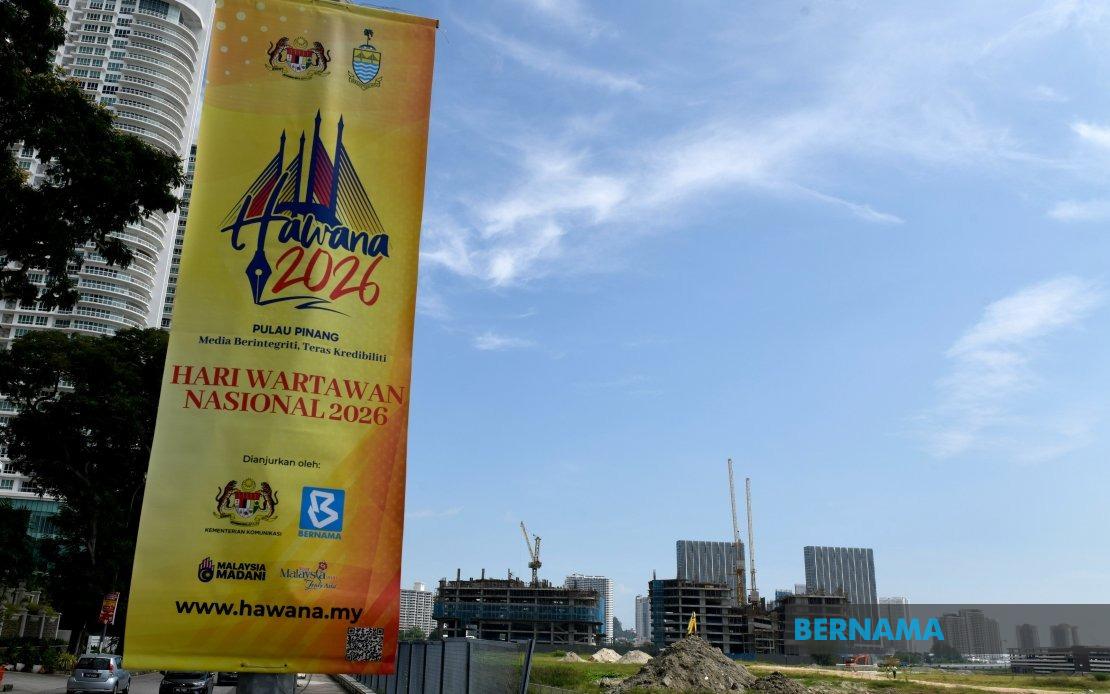
Penang's elevation to host the inaugural HAWANA 2026 National Journalists' Day celebration represents a significant milestone for the state's tourism infrastructure and creative economy, with authorities projecting considerable economic spillover from the three-day event beginning June 19. The selection underscores confidence in Penang's capacity to execute large-scale international gatherings whilst capitalising on its established reputation as a premier Southeast Asian destination, according to Wong Hon Wai, the State Tourism and Creative Economy Committee chairman.
The timing proves strategically advantageous for Penang's tourism sector, which has weathered post-pandemic recovery challenges and seeks sustained growth momentum. The influx of approximately 1,000 media professionals from across Malaysia and ASEAN nations will generate what Wong described as "extensive, high-value exposure" for the state brand. Beyond immediate visitor numbers, the media presence carries multiplier effects—journalists covering the event will disseminate stories about Penang's attractions to audiences far beyond the physical gathering, amplifying the destination's visibility in regional and international markets.
Economic projections circulated by state officials highlight direct benefits across multiple hospitality and service sectors. Hotels across Seberang Perai, designated as the primary venue, are already reporting robust booking levels. Wong emphasised that the anticipated surge in visitor demand will extend beyond accommodation, reaching restaurants, transport services, shopping destinations, and established tourist attractions. For a state where tourism constitutes a significant revenue pillar, such concentrated demand injection carries implications for employment, supplier networks, and small business revenues during the June period.
The PICCA Convention Centre @ Butterworth Arena will host the official celebration on June 20, officiated by Prime Minister Datuk Seri Anwar Ibrahim. This formal dimension lends governmental prestige whilst signalling national commitment to honouring journalism's professional standards and ethical conduct. The event's chosen theme, "Media Integrity Strengthens Credibility," reflects ongoing industry-wide discussions regarding journalism's foundational role in maintaining public trust—a particularly resonant message across Southeast Asia, where media independence and accuracy remain contested terrain.
Beyond the core journalist congregation, the accompanying RIUH Pi HAWANA Carnival constitutes the event's public-facing dimension, anticipated to draw approximately 30,000 visitors over three days. This mass-participation element distinguishes HAWANA 2026 from purely professional conferences, creating opportunities for broader community engagement. The carnival structure—free admission, local creative brands, hands-on workshops, and live entertainment—targets audiences seeking exposure to contemporary Malaysian artistic output and innovation.
Curating over 24 local creative enterprises alongside 20 food vendors positions the carnival as a marketplace for Penang's burgeoning creative sector. This architecture serves dual promotional purposes: visitors gain direct access to emerging brands and established artisans, whilst participating businesses receive concentrated consumer exposure. For small-to-medium creative enterprises operating in competitive national and regional markets, such visibility carries disproportionate value relative to conventional advertising expenditure.
The entertainment programming—featuring acts including Exists, Bunkface, Masdo, Sakura Band, Budak Nakal Hujung Simpang, and Chelsea Ng—reflects deliberate curation favouring contemporary Malaysian performers with established followings. This selection strategy aims to attract demographics predisposed toward music and performance consumption, broadening the carnival's appeal beyond cultural sectors. The sixteen scheduled live performances distribute entertainment value across the three-day window, encouraging multi-day visitation patterns that extend per-visitor spending.
Wong's framing of media as essential marketing partners for tourism and creative economy development articulates a sophisticated understanding of contemporary destination promotion. Rather than positioning journalists as passive observers, he emphasised their generative role in constructing destination narratives and consumer confidence. This recognition carries particular significance in an era where social media influencers compete with traditional media for narrative authority. By honouring traditional journalism whilst creating platforms for creative industry visibility, HAWANA 2026 attempts to bridge established and emerging cultural sectors.
The event's location in Penang specifically—rather than Kuala Lumpur or other competing destinations—reflects the state's strategic positioning within Malaysia's tourism infrastructure. Penang combines heritage-listed Georgetown with modern amenities, geographic accessibility, and established cultural credentials. Seberang Perai's selection as the primary venue suggests deliberate efforts to distribute economic benefits beyond Georgetown's typically congested tourist zones, potentially stimulating development in historically under-promoted areas.
For Malaysia's creative economy broadly, HAWANA 2026 represents an institutional commitment to elevating creative sector visibility alongside conventional tourism promotion. Local creative practitioners gain access to national media professionals during formal sessions and informal carnival interactions, potentially generating business relationships, collaboration opportunities, and broader visibility. This convergence of journalism, tourism, and creative industries within a single event framework reflects evolving definitions of economic value in Southeast Asian contexts, where cultural output increasingly constitutes exportable intellectual property.
Penang's readiness, according to Wong, extends beyond accommodation capacity to encompassing broader infrastructure resilience. Prior experience hosting international events, established vendor networks, and transportation systems provide foundational advantages. Yet successful execution depends upon sustained coordination between state agencies, tourism operators, creative entrepreneurs, and carnival management. Missteps in logistics, performer scheduling, or vendor support could undermine otherwise sound strategic positioning.
The broader regional context matters considerably. ASEAN journalists attending will carry impressions of Malaysian media professionalism and Penang's cultural vitality back to home markets, influencing regional perceptions. Similarly, Malaysia's commitment to honouring journalism ethics through formal, well-resourced celebration reflects competitive positioning within ASEAN's media landscape, where press freedom and professional standards vary considerably across member states.
Looking forward, HAWANA 2026's success will be measured not merely through attendance figures and immediate spending metrics, but through sustained business relationships, media coverage generating subsequent visitation, and creative sector participants' commercial outcomes in subsequent months. The three-day window represents entry point rather than culmination—effectiveness ultimately depends upon whether carnival visitors become repeat tourists, media coverage translates into sustained regional interest, and creative brands leverage exposure into expanded market share.

