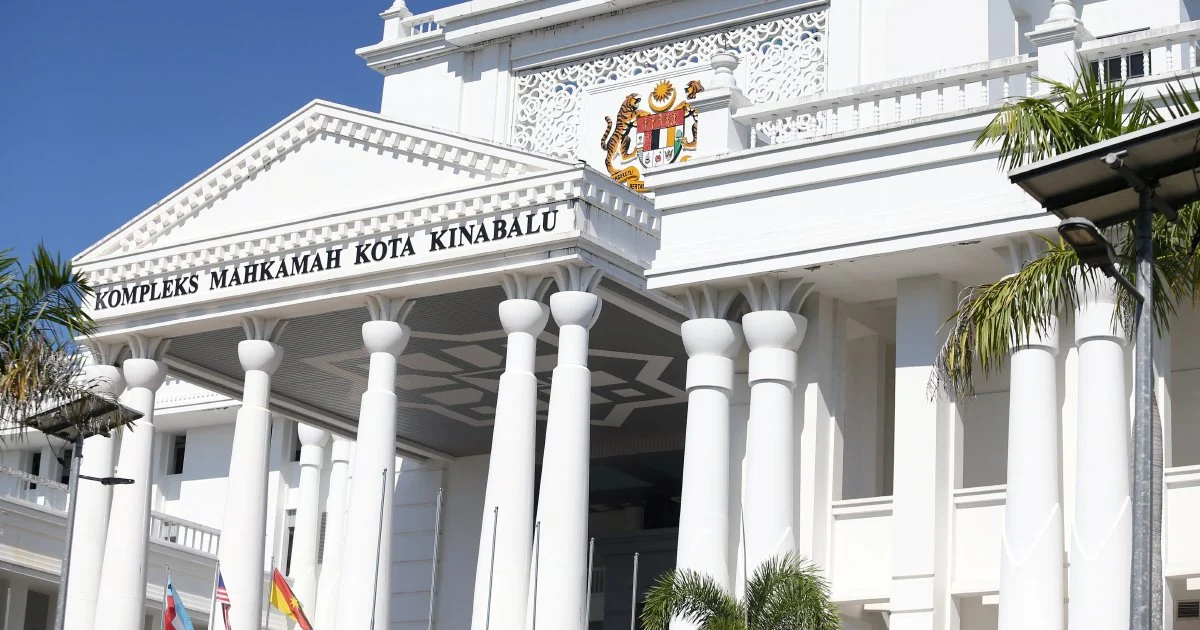
A forensic handwriting analyst has reinforced her professional assessment in the Coroner's Court in Kota Kinabalu, affirming that her analysis of documents linked to the late Zara Qairina Mahathir reveals significant inconsistencies in the handwriting patterns found across her journals. The expert's testimony adds another layer of complexity to the ongoing examination of the circumstances surrounding Zara's death, introducing questions about the authenticity and provenance of key documentary evidence being reviewed by the court.
The handwriting expert's reaffirmation of her previous conclusions carries particular weight in the proceedings, as such forensic analysis serves as a critical investigative tool in coroner inquiries where documentary evidence may prove central to understanding events. Her insistence on standing by the findings suggests confidence in the methodology and conclusions drawn from her comparative analysis of the disputed journal entries against known exemplars of Zara's authentic handwriting.
This development reflects the painstaking nature of coroner investigations in Malaysia, where expert testimony from various fields often becomes pivotal in reconstructing circumstances and establishing facts that may otherwise remain opaque. The court's reliance on such specialists underscores how modern forensic disciplines contribute to the judicial process, particularly in cases where traditional investigative avenues may prove inconclusive or insufficient.
The suggestion that not all journal entries were authored by Zara herself raises several pertinent questions about who may have had access to these documents and what motivations might have existed for additions or alterations. Such findings could potentially indicate attempts to misrepresent Zara's own thoughts, concerns, or state of mind, or conversely, to create a false record of events for purposes that remain to be established.
For Malaysian observers following the case, the forensic analysis highlights the importance of rigorous documentary authentication in legal proceedings. The process of comparing writing samples, examining pressure patterns, ink consistency, and other technical markers requires specialized expertise that goes well beyond casual observation. The expert's willingness to reiterate her findings before the court demonstrates a commitment to accuracy despite what may have been challenging cross-examination or scrutiny of her methodology.
The implications of such findings extend beyond the immediate inquiry. Should the expert's conclusions prove determinative in the coroner's ultimate findings, they could fundamentally alter the evidentiary record regarding the events leading to Zara's death. Questions about document integrity might necessitate re-evaluation of other evidence or witness testimony that had previously seemed corroborated by the journal entries in question.
In the context of high-profile cases involving public figures in Malaysia, the transparency of forensic analysis becomes particularly significant. The public interest in understanding what transpired rests partly on the court's willingness to subject expert findings to rigorous examination and to allow specialists to elaborate on their conclusions. The handwriting analyst's court appearance thus serves broader interests in judicial accountability and evidentiary reliability.
The Coroner's Court process itself represents a formal mechanism for investigating sudden or unexplained deaths outside the criminal justice framework. In cases where cause of death may not be immediately apparent or where circumstances warrant detailed examination, the coroner system allows for comprehensive fact-finding that can inform families, the public, and relevant authorities. Expert testimony remains central to this investigative function.
As the inquiry continues in Kota Kinabalu, the handwriting analyst's reaffirmed findings will likely feature prominently in the court record. Whether subsequent testimony or evidence either supports or contradicts her conclusions, her expert opinion now forms an established part of the documentary record that the coroner must consider when reaching eventual determinations about the circumstances surrounding Zara Qairina Mahathir's death and any matters arising from those circumstances.