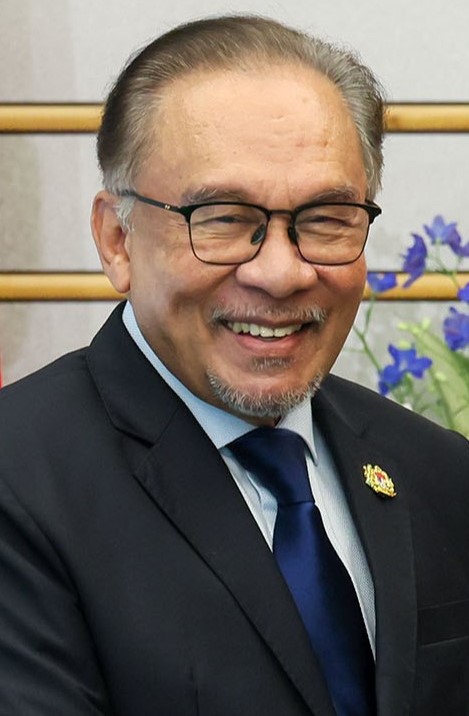
Hamzah Zainudin's return to prominence within Perikatan Nasional represents a calculated repositioning by the PAS-led opposition coalition as it prepares for the next general election. Political analysts monitoring the coalition's trajectory suggest that the party leadership sees Hamzah as instrumental to reshaping public perception of the bloc, particularly in efforts to distance itself from perceptions of religious extremism that have dogged its standing among urban and moderate voters across the peninsula.
The coalition's confidence in Hamzah reflects broader concerns about electoral viability. Perikatan Nasional has struggled to expand its appeal beyond its traditional support base, particularly among younger voters and professionals in major urban centres who have grown increasingly sceptical of the coalition's ideological direction. By positioning Hamzah as a frontman for their general election campaign, party strategists appear to be banking on his perceived pragmatism and administrative credentials to counterbalance the more conservative elements within the bloc.
Hamzah's political profile has traditionally been associated with technocratic governance and a secular-nationalist bent, characteristics that stand in somewhat deliberate contrast to the stronger Islamist positioning of PAS. His return comes at a moment when Perikatan Nasional faces mounting pressure to articulate a vision that resonates beyond its core constituencies. The coalition's previous electoral performance revealed significant limitations in its ability to convert support in rural areas into meaningful gains in urban strongholds, where voters tend to prioritise economic management and institutional stability over religious policy platforms.
Analysts emphasise that the messaging around Hamzah's promotion serves multiple strategic purposes simultaneously. First, it signals to moderate swing voters that the coalition is not monolithic in its ideological orientation and can accommodate diverse viewpoints within its framework. Second, it provides cover for the coalition to pursue policy positions that might otherwise face internal resistance from more ideologically driven factions. Third, it creates a differentiated public face that can appeal to different voter segments across Malaysia's diverse electoral landscape.
The narrative of moderation carries particular significance in Malaysia's current political context, where the electorate has demonstrated increasing sophistication in distinguishing between coalitions based on their perceived competence and inclusivity. Perikatan Nasional's challenge lies in convincing voters that its commitment to moderate governance is substantive rather than merely rhetorical, especially given the coalition's recent history and internal power dynamics that have sometimes reflected tensions between its component parties on fundamental policy questions.
Hamzah's elevation also reflects calculations about generational politics and the need to appeal to voters born after 1990, who tend to have different priorities and less attachment to traditional party loyalties than their predecessors. By presenting Hamzah as a figure capable of bridging divides within the coalition, Perikatan Nasional hopes to project an image of adaptability and forward-thinking governance that could prove attractive to these demographic groups.
The stakes of this repositioning exercise extend beyond internal coalition dynamics. Perikatan Nasional's ability to successfully rebrand itself as a moderate alternative carries implications for the broader Malaysian political landscape heading toward general election sixteen. Should the coalition succeed in this repositioning, it could fundamentally alter voter calculations in crucial marginal constituencies and shift the overall balance of power in parliament. Conversely, should voters perceive the moderation narrative as unconvincing, the coalition risks further erosion of its electoral base.
Commentators also note that Hamzah's return occurs within the context of ongoing discussions about electoral pacts and coalitional arrangements in Malaysian politics. The success of his positioning as a moderate figurehead may influence whether potential coalition partners—including those currently outside Perikatan Nasional—view the bloc as a palatable option for future political cooperation. This dimension suggests that Hamzah's rehabilitation serves not only current campaign purposes but also longer-term strategic architecture within Malaysian politics.
The period leading up to the next general election will prove crucial in testing whether Perikatan Nasional's gamble on Hamzah as a vehicle for moderate positioning yields the electoral dividends the coalition anticipates. Political observers across the region will watch carefully to see whether the coalition can translate this strategic messaging into substantive policy platforms and public support, particularly in urban constituencies where the moderate narrative is most likely to resonate. The outcome will provide valuable insights into whether Malaysian voters remain receptive to coalition repositioning efforts or whether structural factors in the political landscape have hardened partisan identities beyond such tactical manoeuvres.