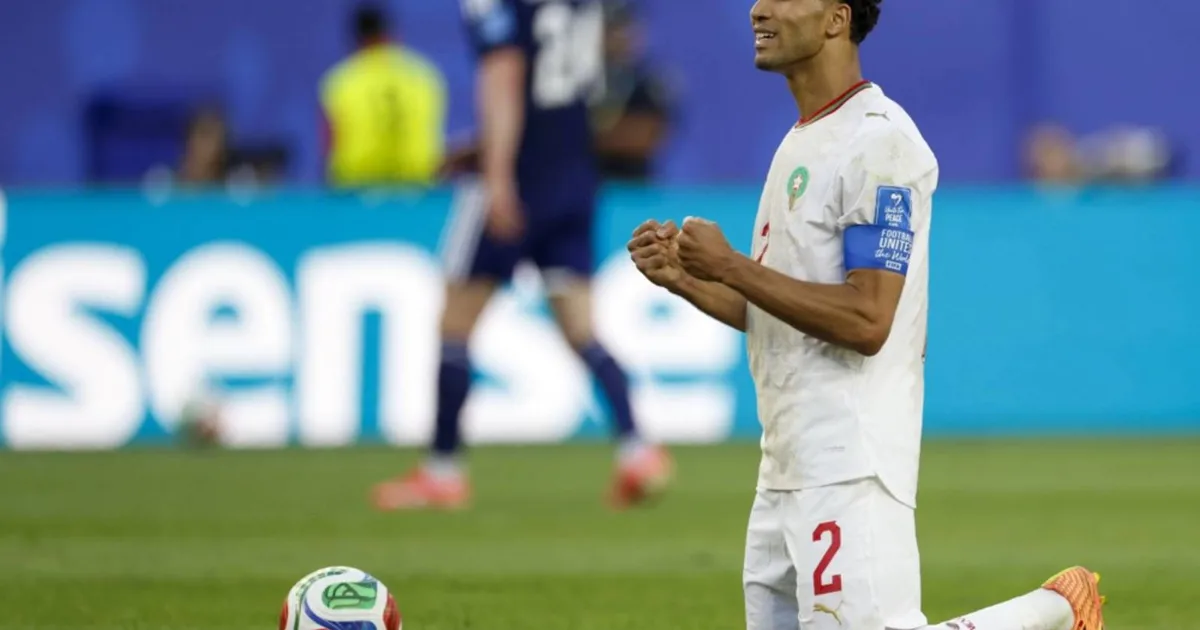
Achraf Hakimi, the PSG defender who represented Morocco at the World Cup, is navigating the strain of a legal trial with remarkable composure, his country's World Cup coach revealed. The allegations centre on accusations involving a 24-year-old woman in the Paris region during 2023, claims the footballer categorically rejects. The player's mental resilience during this turbulent period has impressed those closest to him in the national team environment, suggesting he remains focused on professional commitments despite the considerable pressure.
The incident in question occurred within the Paris metropolitan area and has resulted in formal legal proceedings that have thrust the defender into an unwelcome spotlight. Hakimi has consistently maintained his innocence throughout the process, a position supported by his legal representatives. The allegations represent one of the most serious challenges to confront a prominent African footballer in recent seasons, drawing scrutiny from both sports media and the broader public discourse surrounding consent and accountability in professional football.
Morocco's World Cup coaching staff have demonstrated public solidarity with the player, recognising the psychological toll such proceedings can exact on athletes in the prime of their careers. The coach's characterisation of Hakimi as "calm" suggests the defender has managed to compartmentalise the legal battle from his on-field responsibilities. This psychological resilience carries particular significance given the intense pressure inherent in playing for a club of PSG's stature whilst simultaneously managing serious judicial matters.
The timing of these allegations coincides with a critical period in Hakimi's professional development. As a key defender for one of Europe's elite clubs, maintaining both mental equilibrium and physical performance becomes exponentially more challenging when faced with such circumstances. The World Cup coach's public reassurance about the player's demeanor reflects broader institutional support from the national federation, though the legal process operates independently of sporting considerations.
For Malaysian and Southeast Asian football followers, this situation underscores the global reach of professional football controversies and the way Western legal systems scrutinise high-profile athletes. The case also highlights the distinction between allegations and conviction—a crucial legal principle that applies universally yet often becomes blurred in public discourse. Hakimi's situation serves as a reminder that footballers, regardless of their continental origin or club affiliation, face complex intersections of sporting careers and personal legal challenges.
The PSG defender's ability to maintain composure whilst facing such serious allegations demonstrates either considerable emotional fortitude or the compartmentalisation strategies that elite athletes develop. Sports psychologists recognise that concentration during competition can actually provide respite from personal crises, allowing individuals to temporarily immerse themselves in domains where they exercise direct control. For Hakimi, training sessions and matches may represent psychological escape from courtroom proceedings.
Morocco's national team programme has evidently determined that maintaining support for the player serves both humanitarian and sporting interests. The North African nation has invested significantly in developing Hakimi into a world-class defender, and his contributions to the team's success remain valuable. However, the federation must navigate carefully between supporting a player facing allegations whilst maintaining the integrity and reputation of the national programme itself.
The broader implications for professional football extend beyond this individual case. Clubs and national associations increasingly face questions about safeguarding, accountability, and the responsibilities they bear toward both accused players and alleged victims. These institutions must balance due process rights with duty of care obligations, creating institutional tensions that remain unresolved in many jurisdictions and organisations.
For PSG specifically, the situation requires strategic management of squad dynamics and public relations. The club has substantial resources to support both the player's legal defence and the team's operational continuity, yet media scrutiny and internal team cohesion may nevertheless suffer. The implications for French professional football's broader reputation internationally remain uncertain, particularly given the sport's continued growth in Middle Eastern markets where PSG maintains significant commercial interests.
The legal proceedings themselves will unfold according to French jurisprudence, a system founded on principles of presumption of innocence until proven otherwise. This fundamental legal protection applies regardless of the defendant's celebrity status or sporting prominence, though the reality of contemporary media coverage often obscures such principles. How French courts handle this case may influence public discourse surrounding athlete accountability across the European football landscape.
Morocco's support for Hakimi reflects the complex loyalties within international football, where nations invest years developing young talent only to face situations where personal conduct allegations complicate institutional relationships. The World Cup coach's public confidence in the player's mental fortitude suggests strategic messaging designed to maintain team morale and broader stakeholder confidence during an uncertain period.
Ultimately, Hakimi's journey through this legal process will significantly impact not only his own career trajectory but also broader conversations about masculinity, power dynamics, and accountability within elite football. Whether he emerges with his reputation intact or faces lasting professional consequences depends on judicial proceedings that remain ongoing. For now, his reported composure offers modest reassurance to those invested in his career whilst the legal system determines factual questions that only courts can definitively resolve.

