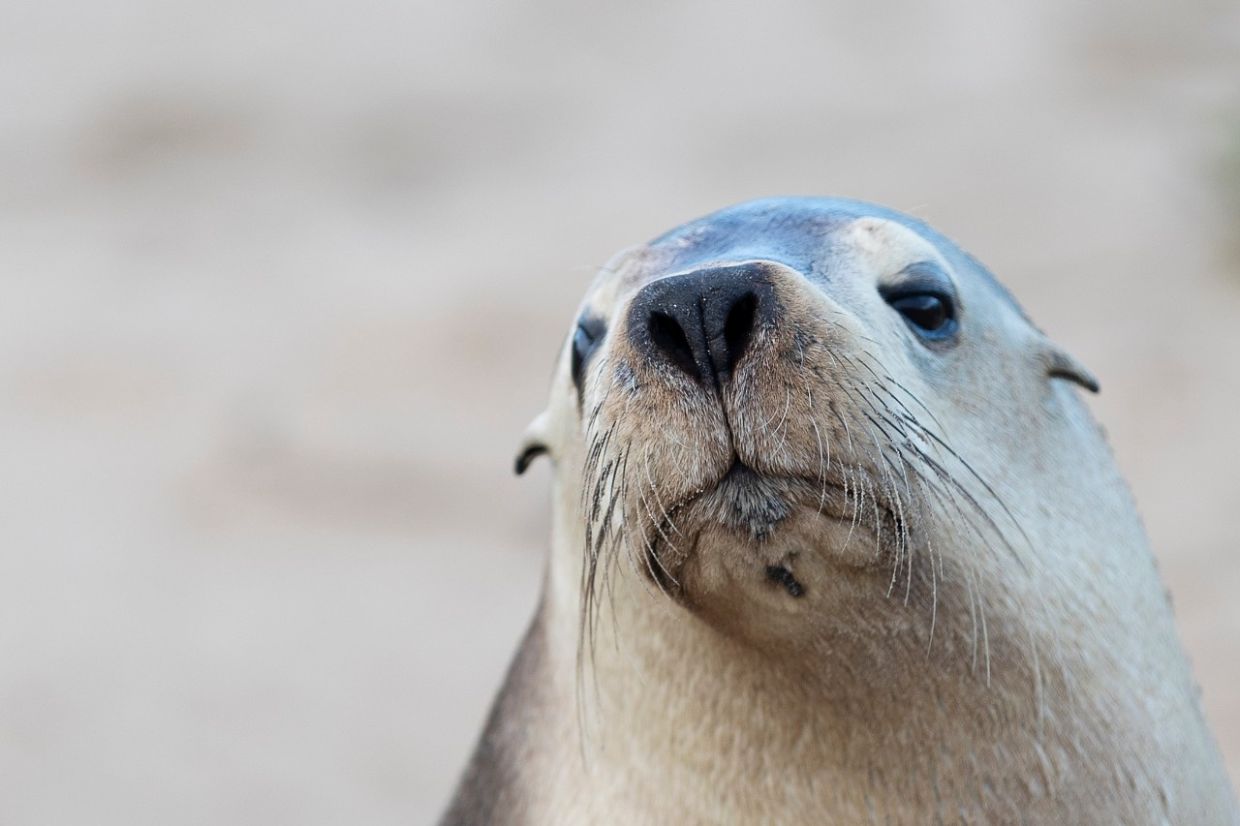
A rapidly accelerating outbreak of highly pathogenic H5N1 avian influenza in South Australia has triggered fresh alarm among conservation experts, who warn that the virus will "almost certainly" jump from infected seabirds to one of the world's most critically endangered marine mammal populations. The detection of suspected H5N1 cases in wild birds on Kangaroo Island, including at the ecologically sensitive Seal Bay, has elevated concerns that the strain could decimate the Australian sea lion population found there—which represents roughly five per cent of the global population of this vulnerable species.
The scale of the outbreak in South Australia has grown substantially in recent weeks. As of late July, authorities confirmed 19 cases of the highly pathogenic strain with an additional 21 suspected cases across the state, a dramatic escalation that reflects the virus's rapid spread through wild bird populations. More concerning still, 33 of the 40 confirmed or suspected cases have surfaced since the start of the week, signalling an acceleration in transmission rates. The strain, which first appeared on mainland Australia in June, has since been detected in 14 additional confirmed cases across other Australian states and territories, though South Australia remains the epicentre of current activity.
The discovery of suspected H5N1 in a seagull on South Australia's south-east coast represents the state's first detection of the highly pathogenic strain in wild seabirds—a threshold that epidemiologists view as particularly significant. Unlike previous detections in Australia, this finding indicates the virus has established itself in the coastal bird population that shares habitat and food sources with marine mammals. The implications are stark: seabirds serve as the primary vector for transmitting avian influenza to other animal populations, and their proximity to sea lion colonies creates optimal conditions for zoonotic transmission.
Wayne Boardman, a wildlife veterinarian at the University of Adelaide, articulated the gravity of the situation in recent interviews, drawing on comparative epidemiological evidence from previous outbreaks. Historical examples from South America demonstrate that pinnipeds—sea lions and fur seals—exhibit exceptional vulnerability to H5N1 infection. The 2022 outbreak in South America killed approximately 30,000 sea lions within a six-month period, a catastrophic mortality event that underscores the pathogen's devastating potential when it enters marine mammal populations. Even more recently, H5N1 killed an estimated 13,359 southern elephant seal pups on Australia's Heard Island between August 2025 and January 2026, proving that the virus has already established a foothold in Southern Ocean ecosystems and continues to circulate among vulnerable marine species.
Seal Bay, the specific location where H5N1 was detected on Kangaroo Island, presents particularly acute conservation concerns due to its role as a breeding and resting ground for Australian sea lions. The population residing there comprises an outsized proportion of the global population of this endangered species, concentrated in a single, easily accessible location. This geographic concentration means that a disease outbreak would lack the natural population dispersal that might buffer other colonies against catastrophic losses. The Australian sea lion, already facing threats from habitat degradation, fishing practices, and climate change, cannot absorb the scale of mortality that H5N1 has demonstrated elsewhere.
Recognizing the immediate threat, the South Australian government moved swiftly to implement protective measures. Beach tours at Seal Bay were suspended to minimise human activity in the area and reduce the risk of inadvertently transporting the virus or disturbing the sea lion population during what is likely to be a critical period. Minister for Agriculture, Fisheries and Forestry Julie Collins emphasised that authorities would maintain close coordination with wildlife experts to monitor the outbreak and pursue containment strategies. However, the voluntary nature of such measures and the virus's demonstrated ability to spread rapidly through wild bird populations suggest that physical barriers may offer only limited protection once the pathogen becomes established in marine mammal populations.
The current outbreak differs markedly from earlier Australian detections in its epidemiological trajectory and geographic scope. Previous H5N1 cases identified in Australia had largely been contained or appeared sporadically, but the recent acceleration suggests the virus may have become endemic in certain wild bird populations. The detection of multiple cases in a concentrated area within a single week indicates active, sustained transmission chains rather than isolated introductions. This pattern, combined with the involvement of seabirds known to have contact with marine mammals, substantially increases the probability of spillover events.
From a public health perspective, Australian authorities have provided reassurance that current H5N1 detections pose minimal risk to human populations. No evidence has emerged of transmission to agricultural systems, poultry operations, or human contacts, suggesting that the virus remains confined to wild bird and potentially marine mammal populations. Nevertheless, the situation demands continued vigilance given the capacity of influenza viruses to mutate and adapt across species barriers. The experience of previous pandemics underscores the importance of monitoring zoonotic disease dynamics closely, even when immediate human health risks appear limited.
The broader regional implications of this outbreak extend beyond South Australia's borders. Southeast Asian nations, including Malaysia, maintain substantial wild bird populations and coastal marine mammal species that could theoretically face similar H5N1 threats. The Australian experience provides a cautionary demonstration of how rapidly avian influenza can spread through temperate ecosystems and the profound consequences for endangered marine fauna. For regional wildlife managers and public health officials, the South Australian outbreak offers urgent lessons about surveillance protocols, early detection systems, and the critical importance of coordinating responses across jurisdictional boundaries when dealing with pathogens that respect no administrative borders.

