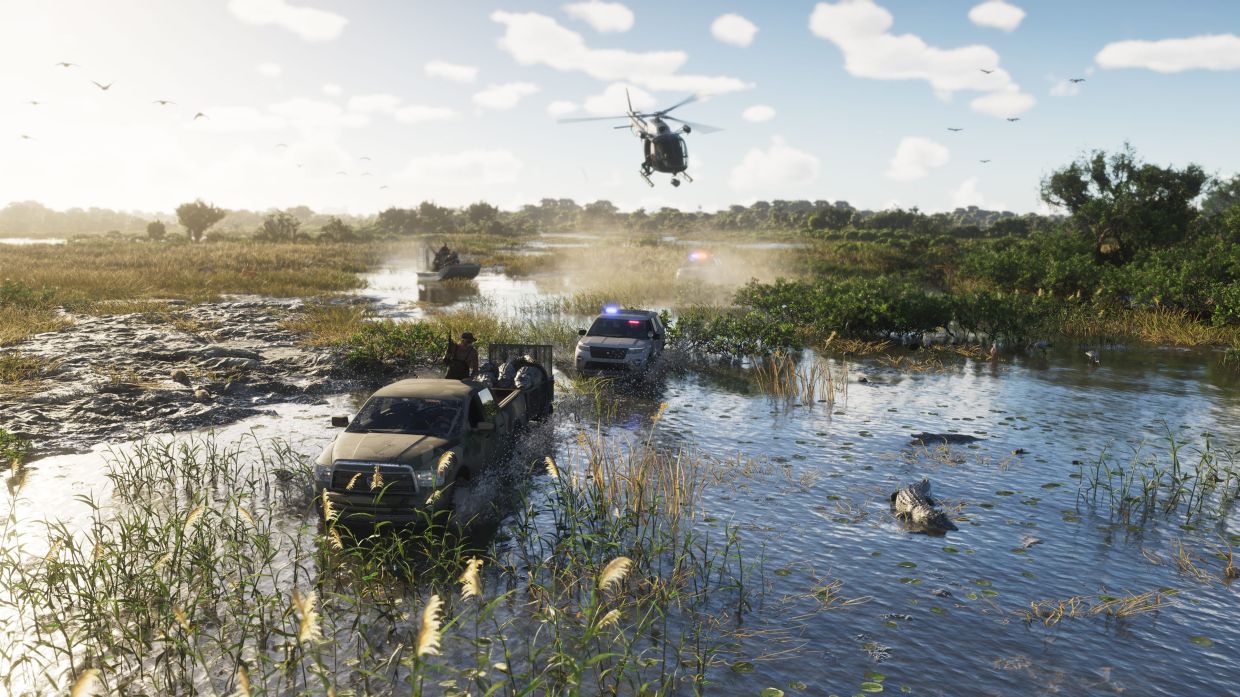
Rockstar Games accelerated its promotional strategy for the highly anticipated Grand Theft Auto VI by publishing an official preview on Netflix after months of unauthorized footage surfaced online, forcing the studio's hand in controlling the narrative around its next blockbuster release. The streaming premiere showcases protagonist Jason orchestrating an escape from a law enforcement drug operation, accompanied by his partner Lucia and a red duffel bag containing contraband, marking the formal introduction of the game's central criminal partnership that marketing materials have characterized as reminiscent of Bonnie and Clyde, the notorious 20th-century American outlaws whose violent crime spree ended in a police ambush.
The preview material distributed across Netflix demonstrated the breadth of gameplay mechanics and narrative scenarios that players can expect, weaving together sequences of high-speed vehicle pursuits, visits to adult entertainment venues, rooftop rendezvous points, and gunfire exchanges between characters and law enforcement. Interactive elements highlighted in the footage indicate that players will possess agency in relationship development, with on-screen prompts suggesting the ability to have Jason and Lucia hold hands during gameplay segments. The cinematic presentation and scope of the preview underscores Rockstar's commitment to delivering an immersive criminal experience that expands upon the franchise's established formula.
The Netflix release on August 27 created technical disruptions across the streaming platform's infrastructure, as significant user traffic spiked globally during the midday launch window. The company subsequently made the preview available on YouTube the same day, maximizing distribution across multiple platforms and reaching the widest possible audience simultaneously. This multi-platform release strategy represents a departure from traditional video game marketing approaches, reflecting how major entertainment properties increasingly leverage streaming services as primary distribution channels for promotional content.
Rockstar's decision to formally unveil the preview came only weeks after unauthorized gameplay footage began circulating online starting August 18, a development that the studio characterized publicly as deeply disappointing. In a statement published across social media platforms, Rockstar acknowledged the breach with candid frustration: "This is obviously not how we intended for you to see the game after all this time," underscoring the company's preference for controlling the pacing and presentation of information leading up to the official launch. The leak represented a significant security failure for one of the industry's most secretive and security-conscious studios, necessitating a pivot in communication strategy.
Investigating the source of the breach, Rockstar pursued aggressive legal remedies by obtaining court orders directing Microsoft and Discord to surrender user data and communication records that might identify the responsible parties. Two federal judges in New York approved the subpoena requests on August 21, a day after Rockstar filed the legal action, with court documents confirming that the company sought to trace the leak's origin through the technology platforms where the footage likely circulated before reaching mainstream coverage. The scale of the legal action demonstrates how seriously major publishers treat intellectual property breaches and the commercial implications of unauthorized game reveals.
Security researchers and online communities have attributed the leaks to an account operating under the pseudonym Cyberleek, with the perpetrator or perpetrators claiming motivations rooted in industry accountability. According to statements attributed to Cyberleek, the leak was designed to challenge what the individual or group characterizes as problematic business practices within the video game industry broadly. This motivation distinguishes the leak from typical corporate espionage, instead framing it as activist conduct intended to provoke public discourse about publishing decisions and industry standards.
Rockstar's parent company, Take-Two Interactive, has faced substantial player backlash over recent strategic decisions affecting Grand Theft Auto VI's market positioning. The publisher's announcement that physical copies would not be manufactured caused considerable disappointment among collectors and consumers who prefer owning tangible media rather than digital licenses. Compounding this controversy, Take-Two introduced a premium-priced edition offering additional in-game content at a significantly elevated cost, a tiered pricing strategy that critics argue exploits dedicated fans willing to pay premium amounts for enhanced experiences.
The game's cultural significance and commercial reach extended into unexpected spheres when a unit of the United States Army created an unconventional recruitment incentive offering active-duty personnel four consecutive days of leave in exchange for extending their service commitments by a minimum of two years. According to military reporting from Task & Purpose, the recruitment promotion presented eligible soldiers stationed at the installation with an opportunity to prioritize leisure time coinciding with the game's release schedule. Of the 130 soldiers eligible for the program, approximately 20 have reportedly accepted the offer, representing an intriguing intersection between military recruitment tactics and entertainment industry marketing.
For Southeast Asian audiences, Grand Theft Auto VI's release carries particular significance given the region's substantial gaming population and the franchise's controversial history in certain markets. Malaysia and other neighboring countries have periodically restricted or scrutinized Grand Theft Auto titles due to content concerns, making the timing of the Netflix preview and ongoing marketing push relevant to regional discussions about entertainment regulation and cultural standards. The game's scale and commercial ambition will likely influence how regional authorities approach classification and content policy decisions surrounding mature-rated interactive entertainment.

