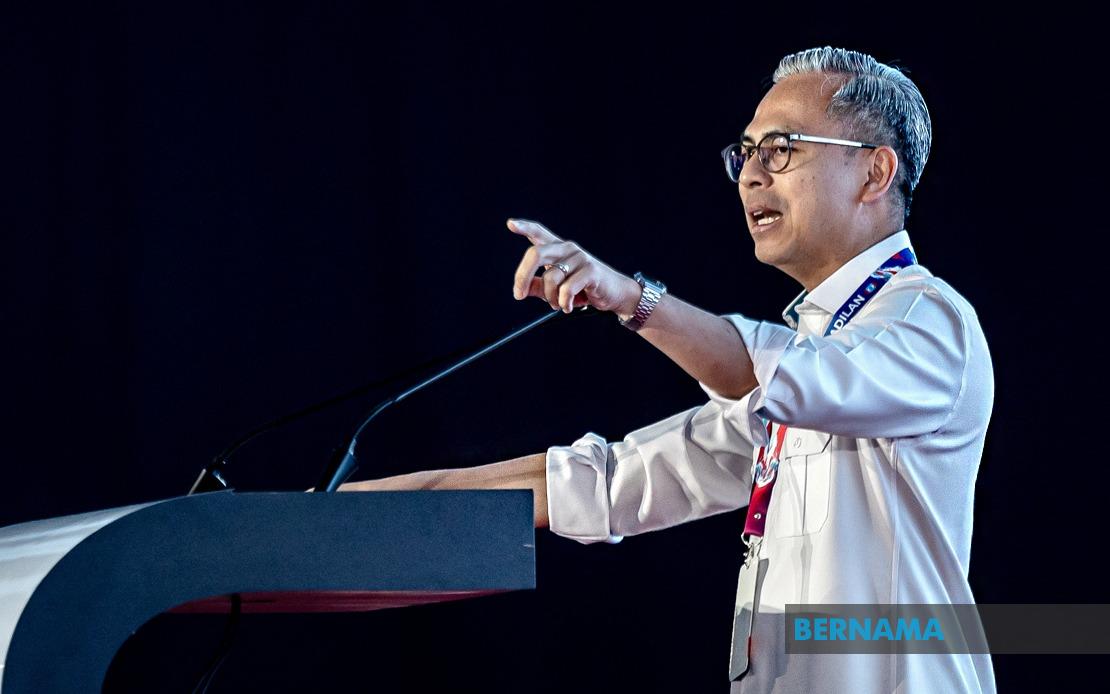
During a visit to Melaka on August 16, Communications Minister Datuk Seri Fahmi Fadzil observed a tangible shift in how ordinary Malaysians are engaging with the country's national flag. The increased public attentiveness to the Jalur Gemilang's design elements—particularly the precise number of stripes and their colour arrangement—reflects a broader awakening to the symbolic importance of respecting this national emblem. This growing consciousness appears to have materialised organically among citizens, who are now instinctively scrutinising flag displays and ensuring compliance with proper specifications.
Fahmi characterised this phenomenon as stemming from heightened national consciousness, particularly pronounced during the National Month commemorations. The minister highlighted that citizens have begun adopting informal peer-review practices, where individuals voluntarily correct and advise one another about flag-related improprieties. Rather than requiring formal enforcement mechanisms, Malaysians are increasingly policing themselves and their communities, suggesting that respect for the Jalur Gemilang has transcended from a governmental mandate into a matter of collective civic pride.
While acknowledging a reported incident in Batu Buruk, Terengganu, involving an allegedly defective Jalur Gemilang, Fahmi deferred to the relevant authorities to investigate the matter further. This measured approach reflects the ministry's confidence in established institutional processes while simultaneously underlining that isolated incidents do not diminish the broader positive trend in public consciousness. The distinction between isolated transgressions and systemic cultural shifts remains important when assessing the nation's patriotic trajectory.
An unexpected development has emerged in how vehicle owners are adapting to demonstrate their patriotism. Rather than permanently affixing physical flags to their automobiles, many are increasingly opting for magnetic Jalur Gemilang stickers. This practical innovation addresses a genuine concern among motorists: the potential damage that traditional flag mounting can inflict on vehicle paintwork and bodywork. Fahmi identified this trend as genuinely positive, reflecting how Malaysians are finding creative solutions that marry patriotic expression with personal property protection.
The shift towards magnetic stickers carries implications beyond mere convenience. It suggests that contemporary Malaysians are thinking pragmatically about how to integrate patriotic displays into modern urban lifestyles without imposing unreasonable personal costs. This reconciliation between nationalist sentiment and practical self-interest demonstrates an evolved form of patriotism—one that sustains itself through making national symbols accessible and non-burdensome for ordinary citizens.
Preparations for the imminent National Day and Malaysia Day festivities are progressing systematically, with multiple coordinating bodies managing distinct operational components. The Ministry of Education has been tasked with orchestrating human graphic performances, whilst logistics coordination centring on Putrajaya is proceeding without significant impediments. These preparatory processes reflect the comprehensive institutional machinery required to stage celebrations of this magnitude across a geographically dispersed nation.
The capital will host two flagship Merdeka Eve events scheduled for August 31. Merdeka Stadium will accommodate an official ceremony organised by the Ministry of National Unity, featuring a keynote address from Prime Minister Datuk Seri Anwar Ibrahim—a clear signal of the political significance attached to these celebrations. Simultaneously, Kuala Lumpur City Hall will coordinate festivities at Dataran Merdeka, ensuring that celebratory activities span multiple venues and reach diverse demographic segments across the capital.
Beyond his representational duties, Fahmi undertook welfare outreach activities in Melaka, visiting stroke patients R. Sathia Devi, aged 70, and Abu Zarin Nordin, aged 64, in their residential settings. These interactions transcended ceremonial courtesy, with the minister conducting substantive assessments of their assistance requirements, including nutritional support through milk provisions, coordination with the Social Welfare Department, and rehabilitation treatment options. This hands-on approach reflects contemporary governance expectations that political figures engage directly with vulnerable populations.
The welfare visits highlighted the ministry's commitment to identifying and supporting families experiencing genuine hardship. Fahmi indicated that follow-up interventions would encompass alternative therapeutic approaches, including acupuncture treatments, suggesting a willingness to pursue unconventional rehabilitation pathways when conventional medical protocols prove limited. This holistic orientation acknowledges that effective assistance requires flexibility and responsiveness to individual circumstances rather than rigid adherence to standardised programmes.
Collectively, these observations portray Malaysia at a transitional moment regarding civic consciousness and institutional responsiveness. The voluntary adoption of flag protocol compliance by ordinary citizens demonstrates that governmental appeals for patriotic behaviour can translate into internalized cultural norms when effectively communicated. Simultaneously, the pragmatic adaptations citizens are devising—magnetic stickers replacing permanent flags—illustrate how contemporary Malaysians are navigating the intersection between traditional national symbolism and modern urban realities. Whether this heightened patriotic awareness will sustain beyond the National Month period, or whether it represents cyclical festive-season enthusiasm, remains an open question for observers monitoring Malaysian civil culture development.

