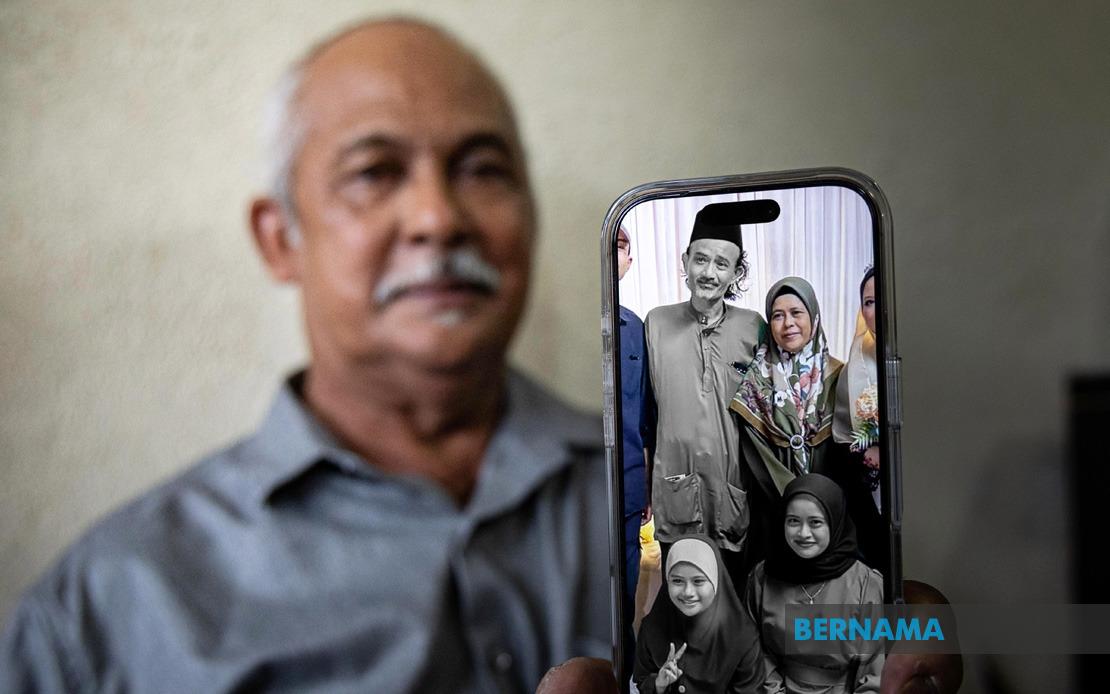
The sole survivor of a catastrophic traffic collision involving a Malaysian Immigration Department truck remains in a deeply distressed state, unable to consistently retain critical information about the loss of her immediate family. Norhayati Razali, aged 55, continues to battle memory difficulties as she recovers from substantial injuries sustained in the August 19 accident on Jalan Sultan Ismail in central Kuala Lumpur, which killed her husband and two children.
Admitted to the Intensive Care Unit at Kuala Lumpur Hospital following the crash, Norhayati has since progressed to a standard ward and demonstrates encouraging signs of physical recovery. Hospital staff report that she can now consume food and beverages independently, marking a significant milestone in her rehabilitation following the traumatic injuries she sustained. However, this improvement in her physical condition is not matched by clarity in her mental state, as her family grapples with the heartbreaking reality of her psychological trauma.
Her brother, Mohd Nadzri Razali, disclosed the anguishing pattern of her cognitive struggles when speaking with reporters. In the days immediately following her regaining consciousness, family members made the extraordinarily difficult decision to take her to view the bodies of her deceased relatives and explain the circumstances of their deaths. During this painful encounter, Norhayati appeared to comprehend the information, acknowledging what was said through nodding gestures. Yet within twenty-four hours, the psychological weight of grief and the effects of her injuries became apparent when she began asking family members where her husband and children had gone, raising serious concerns about whether she can reliably retain information about their deaths.
The extent of Norhayati's physical injuries compounds her cognitive difficulties. Beyond the head trauma that likely contributes to her memory problems, she sustained multiple wounds affecting her hands, waist, knees, legs, and other body regions, each requiring ongoing medical attention and rehabilitation. These injuries create an additional layer of complexity in her recovery process, as medical professionals must balance treatment for physical trauma with the psychological and neurological effects of her injuries.
Uncertainty surrounds the trajectory of her hospitalisation. Mohd Nadzri explained that physicians have not yet determined whether his sister can be safely transferred to a medical facility in Perak, closer to her home in the state. Such a transfer could significantly ease the burden on family members who wish to provide daily support during her recovery period. From both a logistical and emotional standpoint, returning to a hometown hospital would offer practical advantages for a family operating from limited resources. Despite these hopes, medical considerations remain paramount, and doctors have indicated they require additional time to assess her stability and readiness for inter-hospital transfer.
The family's geographic separation has created additional hardship during this crisis. Mohd Nadzri revealed that he has been unable to visit his sister in Kuala Lumpur due to lack of personal transportation and unfamiliarity with the city's road network. This isolation from family support comes precisely when Norhayati most requires emotional reassurance and familiar faces around her bedside. He expressed hope that he might arrange a visit sometime during the forthcoming weekend, contingent on securing a ride to the capital from a relative.
Beyond their immediate family concerns, the relatives are pressing for comprehensive accountability regarding the circumstances that precipitated the tragedy. Mohd Nadzri articulated the family's determination to see justice pursued through a thorough and transparent investigation. He specifically referenced the potential existence of traffic camera footage that could definitively establish what occurred at the intersection where the fatal collision occurred, emphasising that authorities should fully examine available evidence rather than accept superficial explanations.
The accident itself unfolded with devastating speed on the afternoon of August 19 when a Malaysian Immigration Department Black Maria truck, operating without passengers and travelling to conduct an immigrant enforcement operation in the Chow Kit district, proceeded through an intersection while the traffic signal displayed red. The vehicle, with its emergency beacon and siren activated, collided with a Proton Saga car whose driver was legally proceeding through the intersection on a green light. The impact proved catastrophic, causing the truck to veer out of control across the intersection where it struck multiple pedestrians and subsequently collided with an Inokom Matrix vehicle.
Three members of the same family perished in the collision, while a fourth victim—Norhayati—sustained severe injuries. The circumstances surrounding the truck's passage through the red traffic signal have become central to questions about operational protocols and accountability within government agencies. Whether the activation of emergency signals created a false perception of priority, whether the driver failed to adequately check traffic conditions despite the activated warning systems, or whether other factors contributed remains subject to official investigation.
The incident raises broader questions about the operation of government vehicles engaged in law enforcement activities. The deployment of emergency lighting and sirens, while intended to alert other road users to the vehicle's passage, does not supersede traffic regulations that are designed specifically to protect pedestrians and other drivers. The concentration of responsibility on the truck's operator emphasises the critical importance of defensive driving practices, particularly for large government vehicles that pose substantial risks to other road users in the event of collision.
For Malaysian road safety advocates, this tragedy represents another data point in a troubling pattern of accidents involving emergency vehicles. While immigration enforcement operations constitute important government functions, they cannot justify departing from the fundamental traffic rules that protect public safety. The outcome in this case—the destruction of an entire family and the severe trauma inflicted on a surviving relative—underscores the lethal consequences when standard traffic protocols are disregarded, regardless of the operational urgency motivating such decisions.
As Norhayati continues her long recovery process, both physical and psychological, her experience encapsulates the human cost of the accident. The ongoing struggle with memory loss represents not merely a medical complication but a cruel dimension of her trauma, as her mind intermittently shields her from information her heart cannot yet bear to retain. Her journey toward recovery, should it prove possible, will necessarily involve not only healing from physical injuries but also processing the profound loss that her fractured memory periodically allows her to forget, only to remember again with the same crushing weight.

