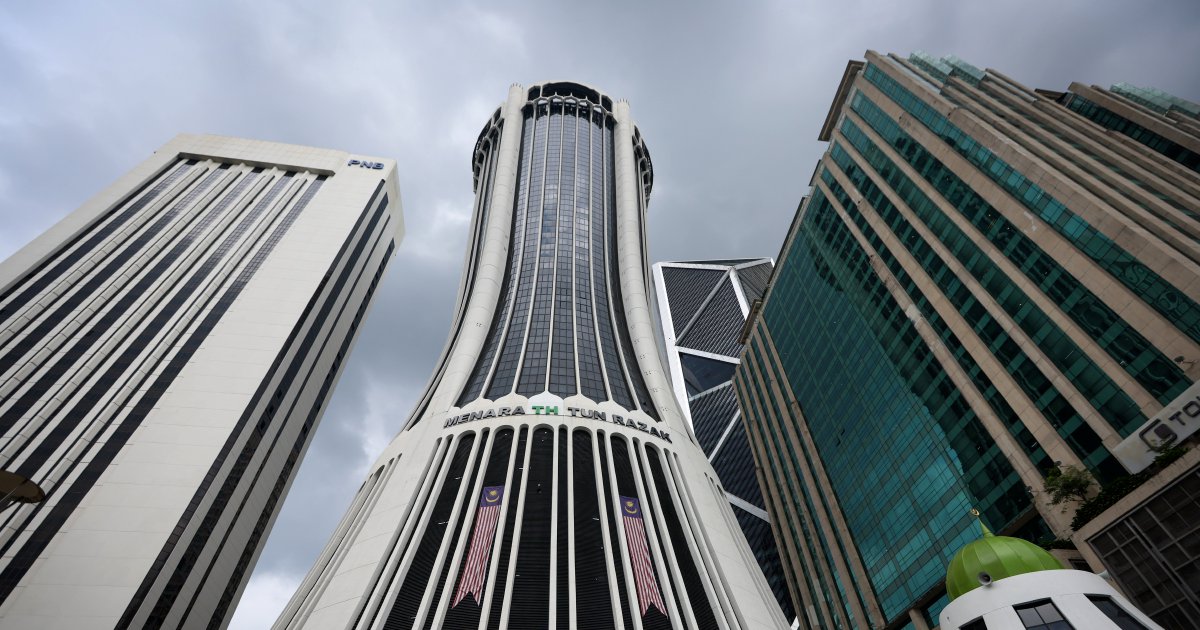
Prime Minister Datuk Seri Anwar Ibrahim has identified systemic failures rooted in greed, weak governance frameworks, and financial mismanagement as the principal factors that nearly brought Tabung Haji to the brink of collapse. Speaking in Kuala Lumpur, the Prime Minister articulated a stark assessment of the pilgrimage fund's trajectory, underscoring the institutional vulnerabilities that left one of Malaysia's most significant Islamic financial institutions teetering on the edge of insolvency.
Tabung Haji, the country's designated savings fund for Muslims undertaking the Hajj pilgrimage to Mecca, occupies a uniquely important position within Malaysia's financial ecosystem. For decades, it has served as both a practical savings vehicle for millions of Malaysians and a cornerstone of Islamic finance in Southeast Asia. The fund's potential collapse would have represented not merely a financial crisis but a profound breach of trust with Muslim depositors who entrusted the institution with their savings specifically for one of Islam's five pillars. The proximity of the fund to complete failure therefore carries implications far beyond ordinary banking mishaps.
The Prime Minister's diagnosis points to a constellation of governance failures that allowed financial deterioration to progress unchecked. Poor oversight mechanisms, inadequate internal controls, and insufficient accountability structures created an environment where mismanagement could flourish. Such governance deficiencies often emerge when institutional leadership lacks sufficient independence from political or commercial pressure, when boards fail to exercise rigorous scrutiny over management decisions, and when whistleblowing mechanisms prove inadequate or ineffective. In the context of a fund managing billions in depositor funds, these governance gaps translate directly into enormous financial exposure.
The role of greed in Tabung Haji's decline deserves particular examination. When institutional leaders prioritize personal gain or short-term profit objectives over fiduciary responsibilities to depositors, the moral and financial foundations of trust erode rapidly. This dynamic becomes especially destructive in faith-based financial institutions, where depositors place trust precisely because such organisations are expected to uphold ethical principles aligned with Islamic values. Breaches of this trust through self-serving behaviour therefore generate damage extending beyond quantifiable financial losses to include reputational harm and broader questions about institutional integrity.
Financial mismanagement, the third element of the Prime Minister's assessment, manifests through improper investment decisions, inadequate risk management, poor liquidity management, and accountability failures in fund deployment. Large institutions managing public savings require sophisticated financial oversight, stress testing protocols, and diversified portfolio strategies to weather market turbulence. When these safeguards weaken or disappear, institutions become vulnerable to sudden market movements or exposure to unsuitable asset classes. The fact that Tabung Haji approached collapse indicates that foundational financial management systems had deteriorated significantly, leaving the fund exposed to catastrophic losses.
For Malaysian depositors and particularly for the Muslim community that depends upon Tabung Haji's services, the near-collapse represents a cautionary tale about institutional vulnerability. Millions of Malaysians have accumulated savings within the fund specifically to fulfill their religious obligations. The prospect that their accumulated pilgrim funds could have evaporated represents not merely financial devastation but a profound disruption of fundamental life plans and spiritual aspirations. This reality underscores why such institutions demand extraordinary governance standards and uncompromising adherence to fiduciary duties.
The Prime Minister's public acknowledgement of these systemic failures signals official recognition that systemic reform has become essential. Restructuring Tabung Haji requires addressing governance frameworks, implementing stronger accountability mechanisms, professionalizing management structures, and establishing robust oversight. Merely financial restructuring proves insufficient without simultaneously addressing the institutional cultures and governance gaps that permitted deterioration in the first place. Sustained improvement demands sustained commitment to reform beyond immediate crisis response.
Regionally, Tabung Haji's near-collapse carries implications for Islamic finance generally. Other Muslim-majority nations operate similar pilgrimage funds and Islamic financial institutions serving comparable populations. Governance failures within such institutions ripple across international Islamic finance networks and potentially influence confidence in Islamic financial instruments more broadly. Malaysia's experience with Tabung Haji therefore provides instructive lessons for regional counterparts managing comparable institutions serving millions of depositors across Southeast Asia.
The recovery pathway for Tabung Haji demands comprehensive institutional reform alongside financial stabilization. Government support, capital injection, and operational restructuring may prove necessary, but sustainability requires transforming the governance environment that enabled the crisis. Recruiting professional management teams insulated from political pressure, establishing independent audit functions, implementing transparent investment policies, and creating effective depositor protection mechanisms represent essential components of genuine recovery rather than temporary stabilization.
Moving forward, the Prime Minister's analysis establishes a framework for preventing similar institutional failures across Malaysia's financial landscape. Institutions managing public deposits—whether Islamic finance entities, pension funds, or cooperative societies—require governance standards reflecting their special public trust status. Implementing the lessons from Tabung Haji's near-collapse across the broader institutional ecosystem could prevent comparable crises from emerging elsewhere, protecting not merely financial assets but the trust that ordinary Malaysians place in institutions entrusted with their savings and aspirations.

