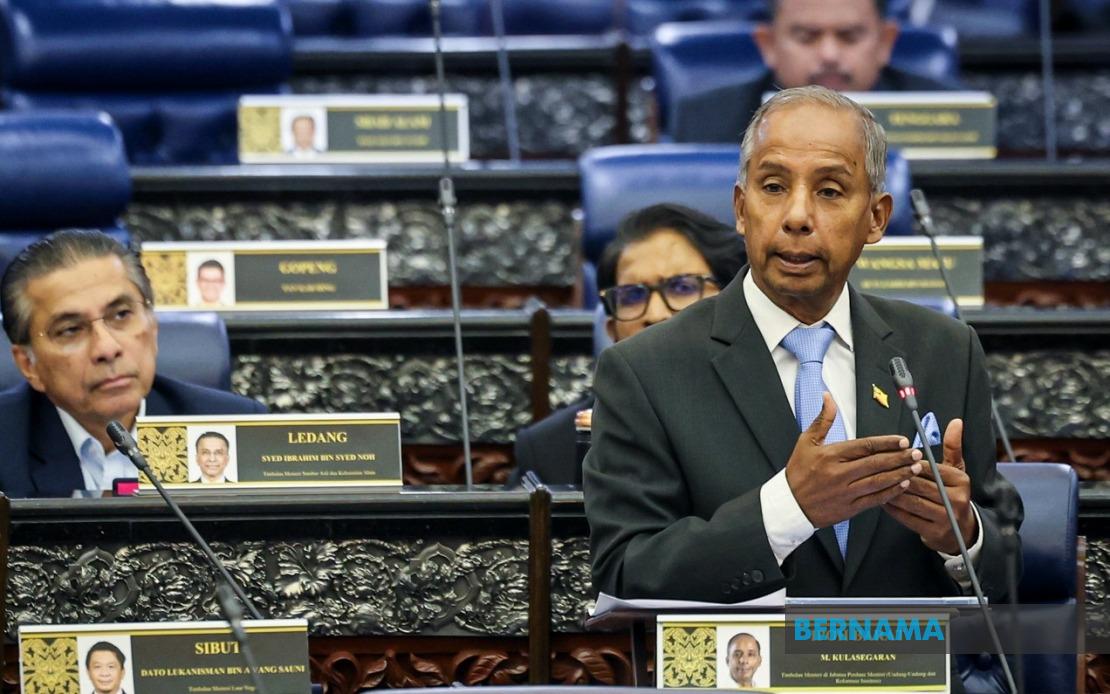
The Malaysian government is undertaking a comprehensive review of Section 97 of the Child Act 2001, with plans to introduce a more defined detention framework for juvenile offenders. The initiative represents a significant step in recalibrating the country's approach to child justice following the abolition of capital punishment and mandatory life sentences for minors in 2023. Deputy Minister M. Kulasegaran, who heads the Law and Institutional Reform portfolio within the Prime Minister's Department, outlined the government's commitment during parliamentary proceedings in Kuala Lumpur, emphasizing that the impending amendments will seek equilibrium between victim protection, community safety concerns and the rehabilitation potential of young offenders.
The genesis of this policy shift traces back to growing concerns about the indefinite nature of detention orders under the current legislation. Section 97 of Act 611 stipulates that individuals convicted of capital offences while minors cannot face execution. Instead, courts impose detention at the pleasure of the King or relevant state ruler, a provision that historically lacked temporal boundaries. This ambiguity has created a problematic situation where dozens of individuals have languished in detention without clarity regarding potential release dates or the duration they might expect to serve. The disparity between their initial sentencing and actual incarceration periods has raised serious questions about the adequacy of current legislative protections.
During his parliamentary response to a question from Dr Abd Ghani Ahmad representing Jerlun, Kulasegaran provided a sobering illustration of the human dimensions of this legal gap. He recounted meeting an inmate during official prison visits to facilities in Semporna and Sandakan who has completed nearly 25 years behind bars despite entering the system at just 17 years old. The individual's profound disconnection from contemporary society—lacking familiarity with modern technology and basic knowledge of life beyond prison walls—underscores the profound social rehabilitation challenges posed by indeterminate sentences. Such cases demonstrate how the current framework can inadvertently transform juvenile detention into de facto lifetime imprisonment, contradicting the rehabilitative philosophy that should underpin child justice systems.
Statistical data presented to parliament reveals that 40 individuals currently remain detained under Section 97 provisions. These figures, while modest in absolute terms, represent individuals whose futures remain suspended in legal limbo. The committee appointed to examine the legislation has convened multiple times since its establishment, signalling serious governmental engagement with the reform agenda. Kulasegaran's statements suggest the committee is working toward concrete amendments that would establish fixed detention periods, providing both sentenced individuals and correctional authorities with defined frameworks for management and eventual reintegration planning.
This review occurs within Malaysia's broader international obligations framework. The country remains a signatory to the Convention on the Rights of the Child, which establishes principles that detention of minors should be a measure of last resort and, when imposed, should be for the shortest possible period. Malaysia's current indefinite detention provisions sit uncomfortably against these commitments, creating potential vulnerabilities in human rights assessments. The government's acknowledgement of these international standards, through Kulasegaran's explicit reference to CRC commitments, suggests a genuine intention to align domestic law with globally recognized child protection principles.
The proposed amendments must navigate complex tensions inherent in modern criminal justice philosophy. Victims and their families may harbour legitimate concerns that defining detention periods could be perceived as minimizing serious offences. Communities require assurance that dangerous individuals remain incarcerated for appropriate durations. Simultaneously, rehabilitation theory argues that indefinite detention removes incentive structures for behavioural improvement and personal development. Young people convicted of crimes deserve pathways toward eventual reintegration, provided they demonstrate genuine reformation. The committee's challenge lies in crafting legislation that addresses these competing imperatives without appearing either excessively punitive or inadequately protective.
The timing of this initiative reflects evolving thinking within Southeast Asian jurisdictions regarding juvenile justice. Regional neighbours including Singapore and Thailand have similarly grappled with balancing punishment and rehabilitation for young offenders. Malaysia's decision to revisit Section 97 positions the country within this regional conversation, potentially influencing how other ASEAN members approach similar legislative questions. The outcomes could establish precedent for Commonwealth jurisdictions wrestling with analogous provisions inherited from colonial-era legislation.
For Malaysian practitioners in criminal law and social work, the proposed amendments carry substantial implications. Defence attorneys handling juvenile cases will require updated guidance on sentencing frameworks and detention expectations. Correctional administrators must prepare for potential changes to long-term prisoner management protocols. Social workers and rehabilitation specialists will need to adapt programmes if reformed legislation creates new opportunities for sentence review or conditional release. Educational and vocational training within correctional facilities takes on added urgency if prisoners face defined rather than indefinite timelines.
The government's framing emphasizes the MADANI administration's commitment to balancing justice, safety and child welfare through amendments consistent with human rights obligations. This rhetorical positioning suggests policymakers recognize that indefinite detention arrangements, however well-intentioned, may contravene principles of proportionality and rehabilitation that modern justice systems increasingly prioritize. The parliamentary discourse indicates cross-party recognition that Section 97 requires modernization, with opposition parliamentarians raising questions that prompted governmental responses demonstrating awareness of the issue's urgency.
Implementation mechanics remain to be determined. Whether amendments will establish standardized detention periods across all offence categories or create differentiated frameworks based on offence severity remains unclear. Similarly, the committee must determine whether existing prisoners will be grandfathered under previous provisions or whether retroactive application of new rules will occur. These technical details will substantially influence how reform translates into real-world outcomes for current detainees and future juvenile offenders. Kulasegaran's statements suggest the committee prioritizes arriving at workable solutions that enable legislative amendment, indicating that practical deliberation may soon yield concrete proposals.

