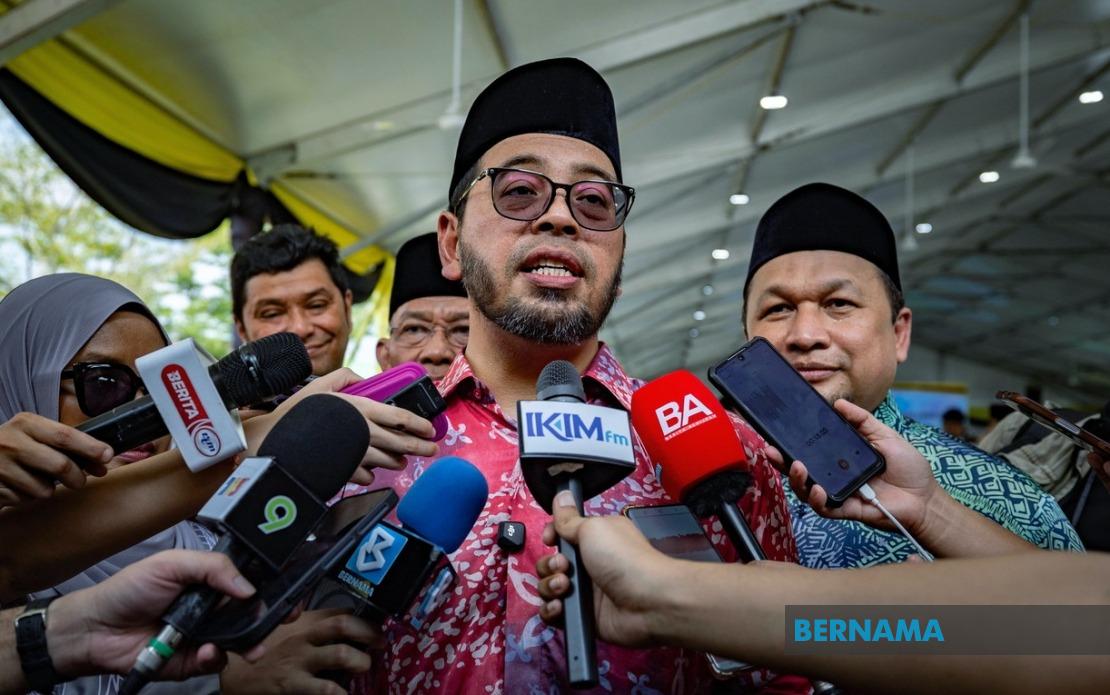
The Malaysian federal government has reinforced its strategic partnership with Islamic educational institutions, positioning pondok establishments and religious schools as essential components of the country's broader development agenda. Speaking at the 2026 Perak Pondok and Religious Schools Gathering in Chemor, Minister Zulkifli Hasan articulated a vision where national progress extends beyond economic indicators and infrastructure projects to encompass the moral and spiritual development of its citizenry. This statement reflects a deliberate policy shift that measures societal advancement through the lens of human values and character formation rather than GDP growth alone.
The minister emphasised that the Prime Minister's Department (Religious Affairs) maintains an active and ongoing dialogue with state governments, Islamic religious authorities, and educational institutions across the nation. This collaborative framework seeks to ensure that the Islamic education system evolves in a structured, high-quality manner responsive to contemporary challenges and opportunities. The government's recognition of these institutions acknowledges their decades-long contribution to grassroots Islamic education, particularly through the dedication of religious scholars and teachers who have sustained these programmes with limited resources.
Prime Minister Datuk Seri Anwar Ibrahim's participation in the HIPSA 2026 gathering underscored the administration's prioritisation of Islamic education within its broader Malaysia MADANI development framework. The attendance of Perak Menteri Besar Datuk Seri Saarani Mohamad and Chief Secretary to the Government Tan Sri Shamsul Azri Abu Bakar demonstrated multi-level government engagement with religious education initiatives. This convergence of federal and state-level officials signals a coordinated approach to integrating Islamic institutions into national policy-making processes.
The gathering itself mobilised approximately 3,000 participants, including pondok members, religious school representatives, KAFA teachers, civil society organisations, and community members. This substantial turnout reflected the deep-rooted significance of these institutions within Malaysian Muslim communities and their continued relevance in the evolving education landscape. The diversity of attendees highlighted the interconnected nature of Islamic educational ecosystems, where pondoks, formal religious schools, and community-based Quranic education programmes operate in complementary roles.
Material support formed a tangible component of government backing, with Minister Zulkifli presenting MADANI Aid Baskets to twelve recipients representing 250 beneficiaries from local communities. Beyond these symbolic gestures, the government disbursed support through multiple channels, including essential food provisions to needy families and financial assistance to pondok institutions and religious schools in Perak. The Fast Track Sijil Pelajaran Malaysia programme and student fee sponsorships represented targeted interventions designed to reduce financial barriers preventing capable students from pursuing Islamic education.
The intellectual dimension of the gathering emphasised the role of religious scholars and leaders in nation-building. The forum brought together respected figures including Kelantan scholar Sheikh Wazir Che Awang Al-Makki, former Perak mufti Datuk Seri Wan Zahidi Wan Teh, and preacher Ustaz Mohamad Saifuddin Abdul Latiff. Their participation underscored the government's recognition that Islamic education extends beyond textbook learning to encompass mentorship in moral leadership and civic responsibility. These scholars represent living bridges between traditional Islamic knowledge systems and contemporary Malaysian society.
The MADANI framework animating this policy initiative prioritises people's well-being and human capital development as cornerstones of national progress. For Islamic education providers, this translates into governmental affirmation that their work constitutes essential nation-building rather than peripheral community activity. The recognition carries implications for resource allocation, regulatory support, and the integration of Islamic educational outcomes into broader national development metrics. It suggests a deliberate effort to counter narratives that position religious education as separate from or antagonistic to national development objectives.
The focus on KAFA teachers and pondok communities reflects awareness of structural challenges within grassroots Islamic education. These institutions typically operate with minimal government funding, relying instead on community donations and volunteer labour. Many teachers work without formal remuneration or with stipends insufficient to sustain families. Government acknowledgement of these structural realities, coupled with targeted assistance programmes, addresses long-standing grievances within these communities while simultaneously strengthening the institutional foundation supporting Islamic education delivery.
For Malaysian policymakers and regional observers, this initiative illustrates a particular approach to managing religious institutions within a plural, developing economy. Rather than marginalising Islamic education or incorporating it entirely into state-controlled systems, the government maintains these institutions as semi-autonomous partners with distinct identities and pedagogical approaches. This partnership model reflects pragmatic recognition that complete state control would be politically contentious, while complete disengagement would cede educational influence to unaccountable entities. The Malaysia MADANI aspiration attempts to square this circle by positioning shared human capital development objectives as common ground.
The strategic partnership framework also addresses Southeast Asian regional dynamics around Islamic education. Across the region, governments grapple with balancing religious freedom, national cohesion, and security concerns. Malaysia's approach of strengthening official engagement with religious schools rather than restricting them represents one model for managing these tensions. Whether this partnership approach successfully channels Islamic educational energy toward national development objectives or inadvertently enables alternative narratives remains subject to ongoing assessment by security analysts and governance experts.
Looking forward, the sustainability of government support for these institutions will depend on demonstrable outcomes in student achievement, community welfare, and social cohesion metrics. The government appears committed to treating these institutions as strategic assets warranting public investment comparable to conventional educational channels. This elevation of Islamic education within policy hierarchies carries implications for curriculum development, teacher training standards, and the integration of religious knowledge with technical and vocational skills essential for economic participation in modern Malaysia.

