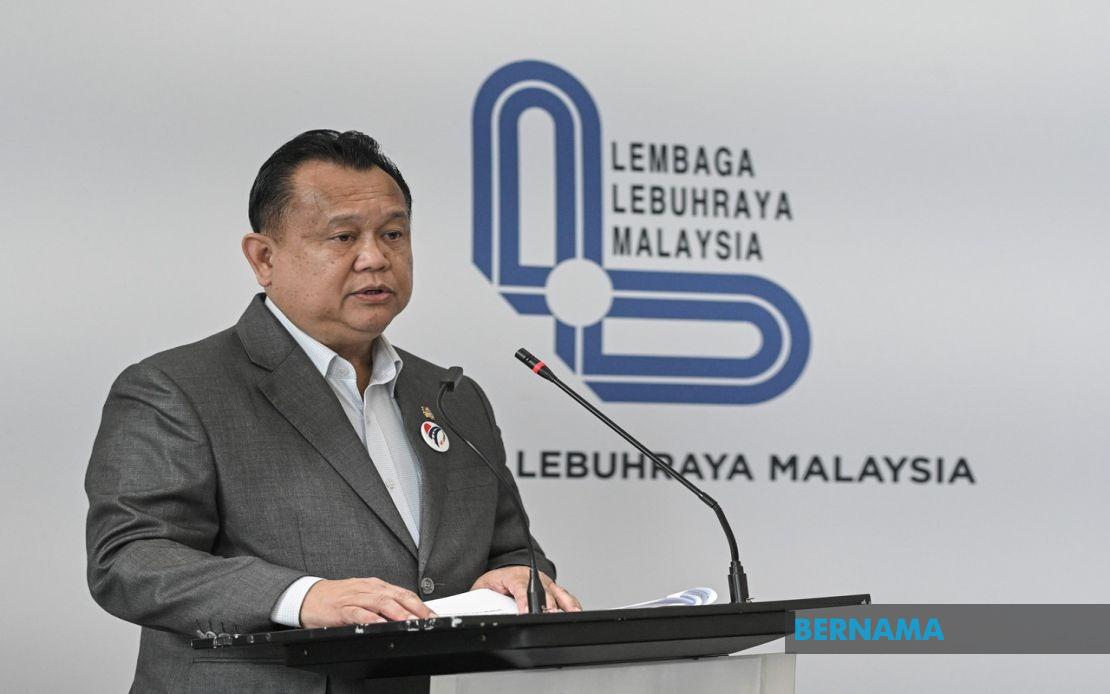
The Malaysian government has earmarked RM25.2 million for an ambitious safety initiative targeting 32 particularly hazardous stretches of highway across the country. Works Minister Datuk Seri Alexander Nanta Linggi confirmed the funding allocation on June 23, unveiling a comprehensive plan to deploy 3,000 solar-powered LED light poles at locations previously identified as high-risk and prone to accidents. The project forms part of the broader MADANI Monitoring programme, a strategic response to road safety concerns that have long plagued Malaysia's highway network.
The initiative represents a significant commitment to preventive road safety measures, reflecting growing acknowledgment within government circles that environmental factors—particularly inadequate lighting—contribute substantially to accident occurrence and severity. By focusing specifically on solar-powered technology, the ministry has chosen an energy-efficient solution that reduces long-term operational costs while supporting the country's sustainability objectives. The decision to concentrate initial efforts on 32 identified accident hotspots demonstrates a data-driven approach to resource allocation, targeting investment where evidence suggests maximum impact on reducing casualties and injuries.
Works Minister Nanta disclosed that the original budget proposal amounted to RM30 million, with the government initially committing RM25.2 million for this opening phase. The remaining allocated funds will be released incrementally as project requirements are reassessed and additional high-risk zones are identified for inclusion in subsequent implementation stages. This phased approach allows the Works Ministry to evaluate the effectiveness of installations and gather performance data before committing additional resources, providing flexibility within an overall strategic framework.
The collaboration between the Works Ministry, the Finance Ministry, and the Malaysian Highway Authority (LLM) underscores the complexity of road infrastructure projects and the need for coordinated planning across multiple government agencies. The project directly addresses concerns raised by Prime Minister Datuk Seri Anwar Ibrahim when announcing the 2026 Budget allocation last October, positioning the initiative as a high-priority response to national road safety imperatives. This political emphasis ensures sustained government backing and alignment with broader economic and social development strategies.
The handover of the Letter of Acceptance (SST) to the selected contractor marks the transition from planning to execution, enabling immediate commencement of on-site construction activities. The government has established an aggressive completion timeline, targeting full project delivery by the end of November 2026. This eight-month implementation window represents a compressed schedule that demands efficient project management, supply chain coordination, and coordination with highway traffic authorities to minimise disruption to the travelling public.
Solar-powered LED technology offers several strategic advantages for Malaysian highway applications. The elimination of grid-dependent electrical infrastructure reduces maintenance burdens in remote locations and provides uninterrupted operation even during power supply disruptions. LED technology's superior luminosity and directional lighting capabilities create safer driving conditions compared to conventional street lights, improving visibility during critical nighttime hours when accident frequency typically peaks. The environmental benefits—reduced carbon emissions and reliance on renewable energy sources—align with Malaysia's commitments to climate action and sustainable development goals.
From a Malaysian perspective, this investment addresses a persistent public safety challenge that impacts both commercial transportation and private motorists. The highway network, particularly routes connecting major urban centres and facilitating interstate commerce, represents critical infrastructure where safety improvements generate substantial economic benefits through reduced accident-related productivity losses and healthcare expenditures. Additionally, improved road safety enhances Malaysia's reputation as a professional and organised business environment, facilitating confidence among regional and international investors in the country's infrastructure quality.
The concentration on 32 accident-prone locations suggests that highways in major corridors—likely encompassing routes in the Klang Valley, northern corridor, and southern regions—will benefit from enhanced illumination. These corridors experience exceptionally high traffic volumes and complex driving conditions, where visibility deficiencies compound other accident risk factors. The strategic placement of lighting infrastructure targets the human factors dimension of road safety, acknowledging that environmental improvements can significantly reduce driver error and misjudgement during challenging visibility conditions.
The MADANI Monitoring programme, within which this initiative sits, reflects broader government philosophy emphasising proactive governance and data-informed decision-making. By integrating road safety measures into a comprehensive monitoring framework, the government demonstrates commitment to systematic, evidence-based improvements across infrastructure networks. This approach, if sustained and expanded, could establish models for addressing other public safety and infrastructure challenges affecting Malaysian communities.
Successful delivery of this project will likely inform future government investment strategies in road infrastructure, potentially justifying expanded allocations for similar safety enhancement initiatives. The monitoring and evaluation mechanisms embedded within the MADANI framework should generate valuable insights regarding the effectiveness of environmental lighting interventions in accident reduction, contributing to the evidence base for road safety policy development across Southeast Asia.
The November 2026 completion deadline provides an early test of Malaysia's capacity to execute large-scale infrastructure projects efficiently within government timelines. Given the national emphasis on improving governance efficiency and project delivery, this initiative carries significance beyond its immediate road safety objectives. Successful performance could strengthen political support for additional safety-focused infrastructure investments, while delays or complications might necessitate policy recalibration in project management approaches.

