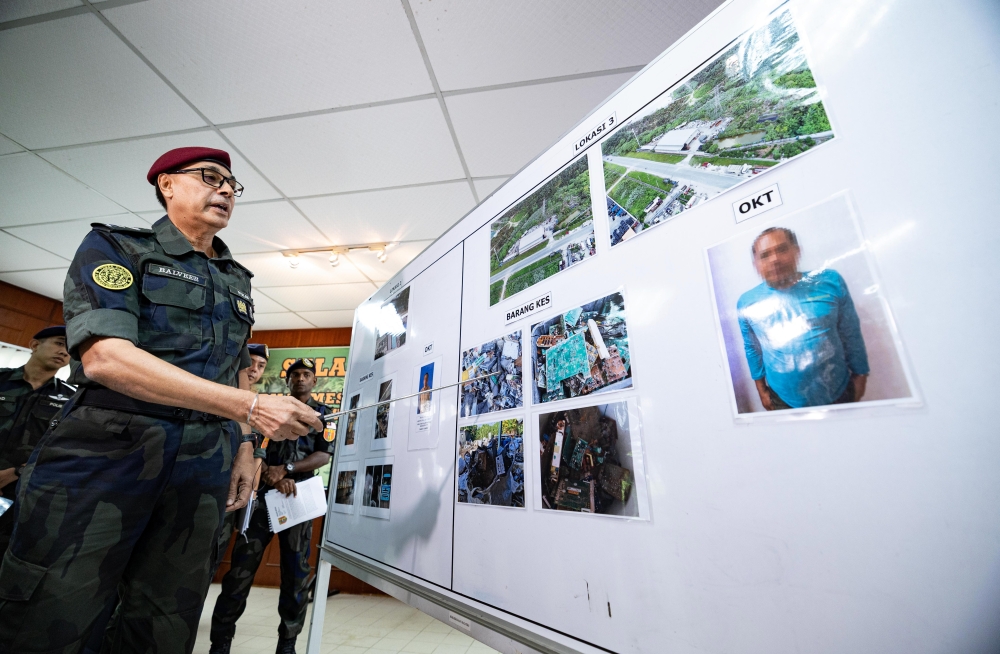
The General Operations Force Northern Brigade has disrupted a substantial illegal e-waste operation in Ipoh, confiscating 120,220 kilogrammes of contraband electronic refuse valued at RM9.39 million across multiple simultaneous raids. The enforcement action, which culminated in the arrest of 14 individuals, represents one of the largest seizures of its kind in the northern states and signals intensified government focus on stemming the trafficking of hazardous electronic materials through Malaysian ports and distribution networks.
The coordinated operation highlights the growing sophistication of e-waste smuggling rings operating within the country. Rather than organised crime syndicates operating from single locations, these networks typically distribute their activities across multiple storage facilities, collection points, and logistics hubs, making detection considerably more challenging for authorities. The breadth of the Ipoh raids—encompassing numerous sites simultaneously—suggests that investigators had conducted substantial preliminary intelligence gathering to map the extent of the operation before moving in with enforcement teams.
Electronic waste represents one of Malaysia's most problematic environmental challenges, both domestically generated and increasingly imported through illegal channels. Old computers, mobile phones, refrigeration units, and television sets contain valuable metals including gold, copper, and palladium, which drives demand among processors willing to operate outside regulatory frameworks. However, the informal recycling process releases toxic substances including lead, mercury, and cadmium into soil and groundwater, creating long-term health hazards for communities near processing sites and contaminating agricultural land used by smallholders.
The scale of confiscation—spanning over 120 tonnes—indicates that the operation had likely been accumulating materials over an extended period, possibly months or longer. Such quantities would require dedicated storage space, vehicle access for collection and transport, and connections to end-markets, whether for resale as salvageable materials or for informal breaking down processes. The infrastructure required to move and store such volumes without detection underscores gaps in supply chain monitoring and the need for enhanced coordination between customs, environmental enforcement, and local authorities.
Malaysia's position as a regional manufacturing and logistics hub makes it particularly vulnerable to becoming a transhipment point for illegal e-waste flows from developed economies attempting to circumvent their own environmental regulations. Stricter disposal requirements in Europe, North America, and Japan have economically incentivised the diversion of e-waste to countries with weaker enforcement mechanisms. While Malaysia has strengthened legislation and institutional frameworks, persistent resource constraints and limited capacity at enforcement agencies mean that detection rates likely represent only a fraction of trafficking attempts.
The apprehension of 14 individuals across the operation suggests involvement at multiple levels—from collection point operators and storage facility managers to transport coordinators and potentially purchasers or brokers arranging onward sales. Each arrest category may face different charges depending on their degree of culpability, ranging from receiving stolen goods to environmental violations or violations of waste management protocols. The subsequent legal proceedings will demonstrate whether Malaysia's courts impose penalties sufficiently severe to deter participation in similar schemes.
Regional neighbours including Thailand, Vietnam, and Indonesia have experienced parallel surges in illegal e-waste trafficking, prompting multilateral discussions within ASEAN forums about strengthening cross-border enforcement and harmonising standards. The Basel Convention and its Amendments establish international protocols for managing hazardous waste transfer, but enforcement remains inconsistent across Southeast Asia. Malaysia's continued seizures and prosecutions contribute to building regional capacity and demonstrate commitment to international environmental governance, though sustained cooperation mechanisms remain underdeveloped.
The environmental remediation costs from improperly processed e-waste often exceed the immediate commercial value recovered from precious metals extraction. Communities adjacent to informal recycling operations report elevated rates of respiratory illnesses, neurological disorders in children, and elevated lead concentrations in blood tests. These externalities are never factored into the economic calculations of operators, creating substantial hidden social costs that ultimately fall upon the public health system and affected families.
Moving forward, authorities will likely increase surveillance of known scrap collection points, port facilities handling containerised cargo, and transportation networks connecting major industrial zones. Intelligence-led enforcement represents a more efficient allocation of resources than random inspections, particularly given the operational constraints facing enforcement agencies. The detention and subsequent court proceedings against the 14 arrested individuals may also generate intelligence regarding upstream suppliers and downstream purchasers, potentially extending the investigation scope and disrupting wider trafficking networks.
This operation reinforces the necessity of public awareness campaigns encouraging proper e-waste disposal through authorised channels. Many Malaysians remain unfamiliar with legitimate recycling pathways, inadvertently contributing to supply chains that fuel illegal operations. Strengthening the formal e-waste management infrastructure, including increasing the number of approved collection and processing facilities nationwide, would provide viable alternatives to illicit routes. The government's continued enforcement actions must be complemented by investment in sustainable recycling infrastructure if Malaysia is to effectively address the escalating e-waste challenge facing the region.

